Why an Unclear OEM Project Workflow Can Create Costly Delays
An OEM LED street light project can quickly become difficult when requirements are incomplete, customization is misunderstood, or samples are approved before the technical details are settled. These gaps may cause redesigns, inconsistent products, delayed production, or costly installation issues. For brands, distributors, and project contractors, the solution is a clear workflow that connects the RFQ, engineering review, customization, prototype approval, mass production, and final inspection from the beginning.
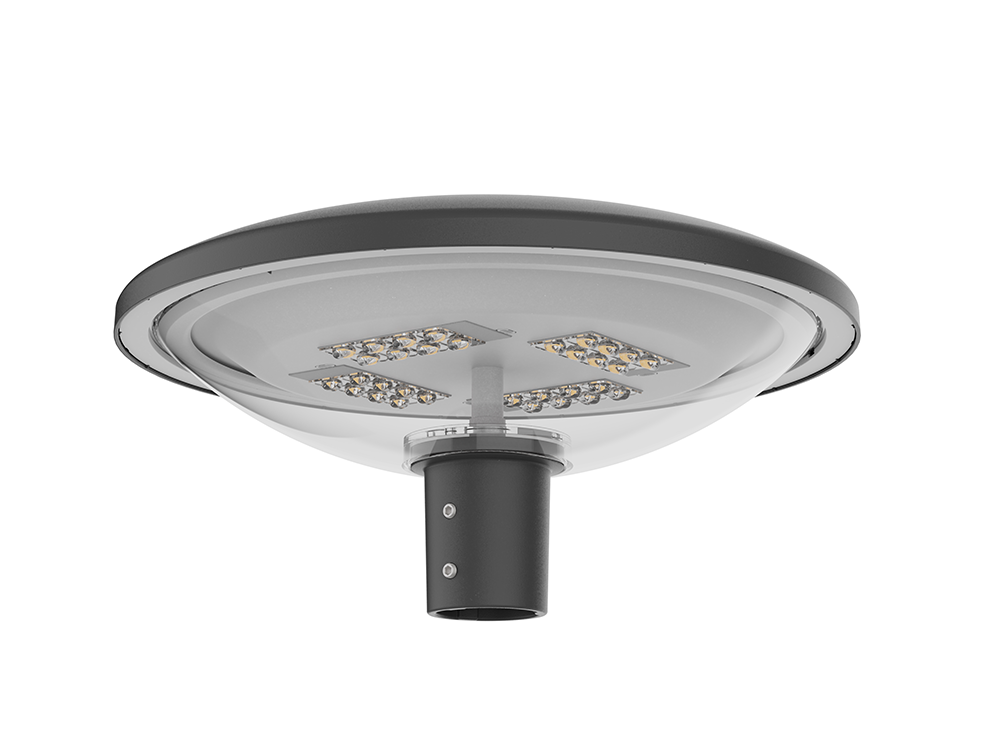
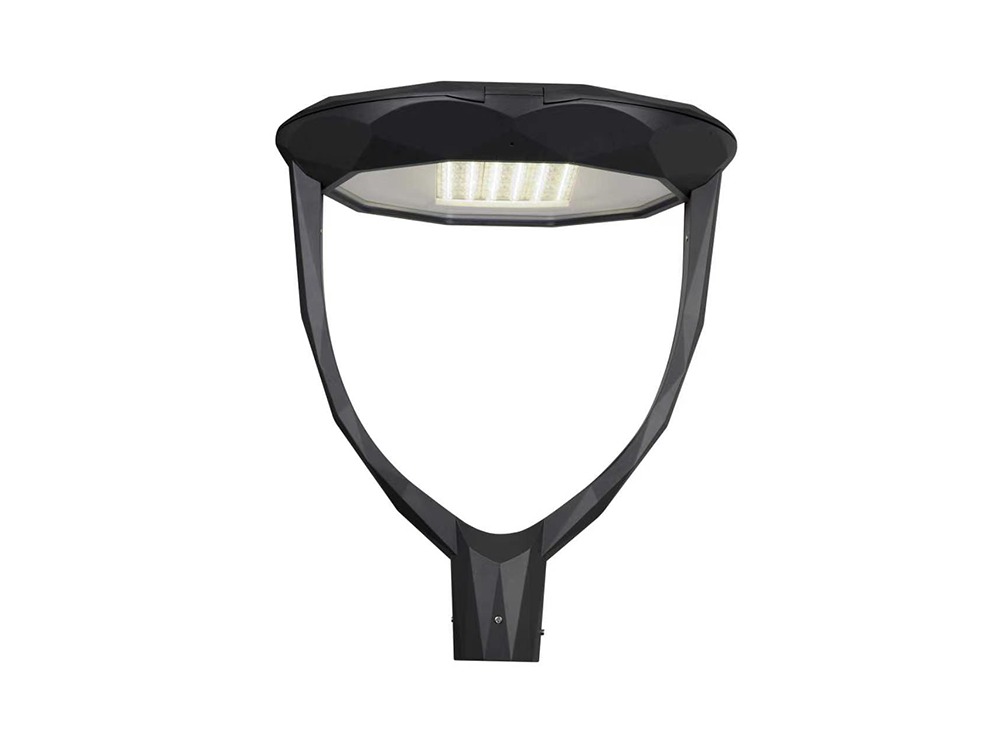
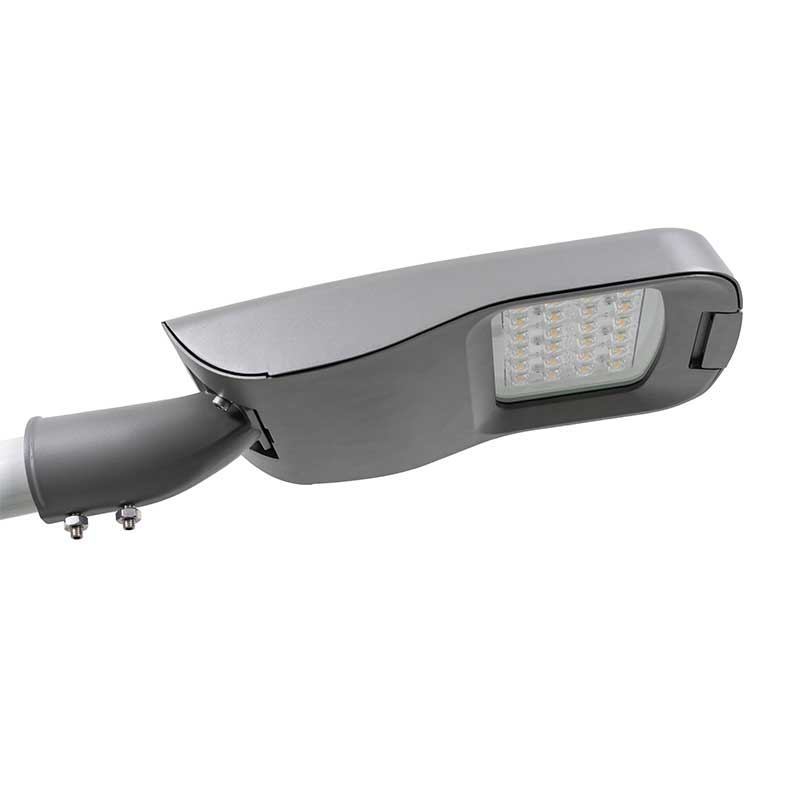
A reliable OEM/ODM workflow should move from complete RFQ inputs to feasibility review, engineering customization, prototype approval, mass production, and pre-shipment inspection. Luxific Lighting supports this process with in-house R&D, project-oriented design, prototyping, quality control, and logistics for Customizable LED outdoor lighting.
1. Start With Complete RFQ Inputs and a Feasibility Review
The first stage determines whether the project can move efficiently. Instead of asking only for a product price, buyers should provide enough technical and commercial information for the Manufacturer to evaluate the application.
What Should Be Included in the RFQ?
- Road width and road layout
- Pole height and installation spacing
- Target illuminance and uniformity requirements
- Required LED power or energy-efficiency target
- Optical distribution requirements
- Color temperature and other lighting parameters
- Input voltage and frequency
- Mounting requirements and pole diameter
- Operating temperature and environmental conditions
- Smart control or dimming requirements
- Required market certifications
- Estimated quantity and delivery deadline
- Branding, packaging, or appearance requirements
How the Feasibility Review Works
A professional Supplier should first determine whether the requested configuration is technically practical, rather than immediately promising every specification. Luxific describes its OEM and ODM process as covering project-oriented design, prototyping, strict quality control, and logistics. Its engineering capability is intended to translate specific project requirements into workable lighting solutions.
- Review the application and technical requirements.
- Identify suitable standard product platforms where possible.
- Identify specifications requiring customization.
- Review optical, electrical, mechanical, certification, and production requirements.
- Confirm the feasible configuration, estimated quantity, and project schedule.
- Prepare the quotation and technical proposal.
This approach helps a Wholesaler control procurement risk and helps project contractors avoid discovering technical conflicts after the purchase order has already been issued.
2. Optical, Electrical and Mechanical Customization
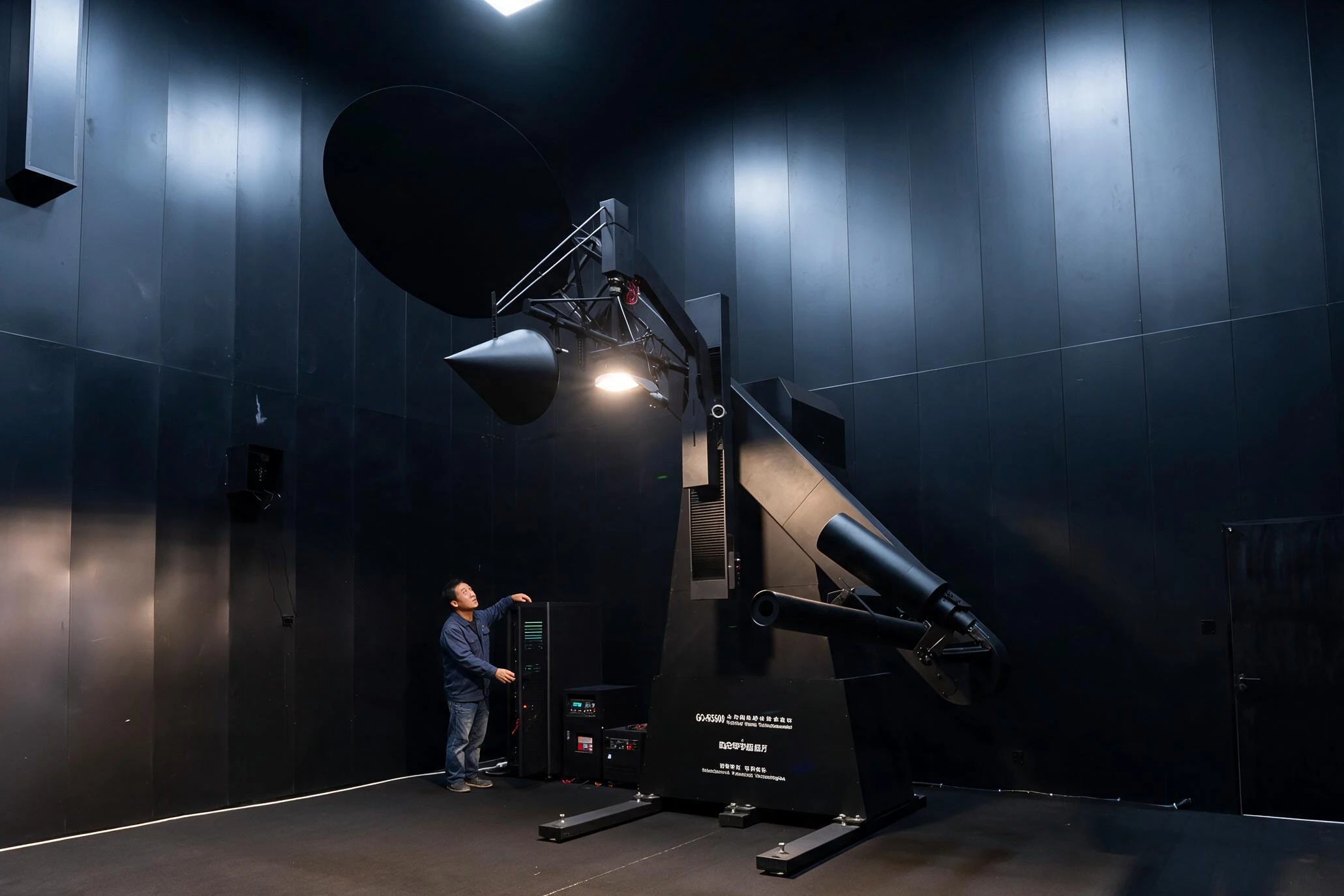
OEM and ODM projects become valuable when customization solves a real application or market requirement. The goal should not be customization for its own sake, but a product configuration that fits the installation environment, performance target, and brand positioning.
Optical Customization
Street lighting performance depends heavily on optical distribution. Luxific street light documentation includes multiple optical distributions, including Type I to Type V options on a representative product, allowing the lighting configuration to be matched to different road applications. Optional smart controls and surge protection are also available on applicable configurations.
- Select an optical distribution according to road geometry.
- Evaluate mounting height and fixture spacing.
- Consider glare and light trespass.
- Use photometric information to support project evaluation.
- Confirm the final optical configuration before prototype approval.
Electrical Customization
Electrical requirements may include input voltage, frequency, driver configuration, surge protection, dimming, and control interfaces. A representative Luxific street light specification supports DALI, 0-10V, Astro Dim, and Step Dim control inputs, with optional photocell, NEMA socket, and Zhaga configurations.
Mechanical and Appearance Customization
Luxific states that its OEM and ODM service supports appearance customization, including material selection, dimensions, color, logo integration, and packaging. Available housing materials described by the company include ABS engineering plastic, PC, powder-coated steel, and stainless steel, depending on the product and project.
| Customization Area | Typical Project Requirement | Approval Point |
|---|---|---|
| Optical | Beam distribution, glare control, road coverage | Photometric confirmation |
| Electrical | Voltage, driver, dimming, surge protection | Electrical specification |
| Mechanical | Housing, mounting, dimensions, wind-load considerations | Engineering drawing |
| Appearance | Color, finish, logo, brand identity | Appearance sample |
| Packaging | Branding and market requirements | Packaging artwork |
3. Prototype and Sample Approval
The prototype stage is the bridge between an engineering concept and mass production. Buyers should treat sample approval as a formal technical checkpoint rather than simply confirming that the product looks acceptable.
What Should Be Checked?
- Overall dimensions and mounting compatibility
- Housing material and surface finish
- LED and driver configuration
- Optical distribution and lighting performance
- Protection rating and mechanical construction
- Control interfaces and accessories
- Branding and product labels
- Packaging configuration
- Applicable certification and test documentation
Use Real-World Testing When the Environment Is Critical
Luxific documents a Northern Canada mining project in which the customer required lighting suitable for temperatures as low as -40°C. The company supplied samples for on-site testing through a full winter season and provided product testing data and certification documentation before the full order proceeded. This illustrates why sample approval can be especially important for demanding environments.
For a project contractor, the sample should become the approved production reference. For a brand, the approved prototype should define the final OEM specification. For a Wholesaler, it provides a practical benchmark for future repeat orders.
- Receive the prototype or production sample.
- Compare it with the approved technical specification.
- Test installation compatibility and required performance.
- Review documents and certifications relevant to the target market.
- Record required modifications clearly.
- Approve the final version in writing before mass production.
4. Mass Production and Pre-Shipment Inspection
Once the sample is approved, the project moves from engineering to controlled manufacturing. This stage is where a reliable Manufacturer should demonstrate consistency between the approved sample and the finished batch.
Production Control
Buyers should confirm that the approved specifications are transferred to production. Important details include product model, dimensions, components, electrical configuration, optical system, finish, branding, packaging, and accessories.
- Use the approved specification as the production reference.
- Control critical incoming components.
- Maintain defined assembly and inspection procedures.
- Check product performance during production.
- Keep production and inspection records where applicable.
- Identify and address nonconforming products before shipment.
Pre-Shipment Inspection
Pre-shipment inspection gives the buyer a final opportunity to verify whether the order matches the approved requirements. It should cover both appearance and technical compliance rather than checking carton quantity alone.
| Inspection Category | Key Verification |
|---|---|
| Quantity | Order quantity and packing list |
| Appearance | Housing, finish, color, logo and workmanship |
| Electrical | Voltage, driver configuration and functional operation |
| Optical | Approved optical configuration and relevant documentation |
| Mechanical | Dimensions, mounting interface and accessories |
| Protection | Applicable IP, IK and environmental specifications |
| Documentation | Certificates, reports, manuals and shipping documents |
Why This Final Step Matters
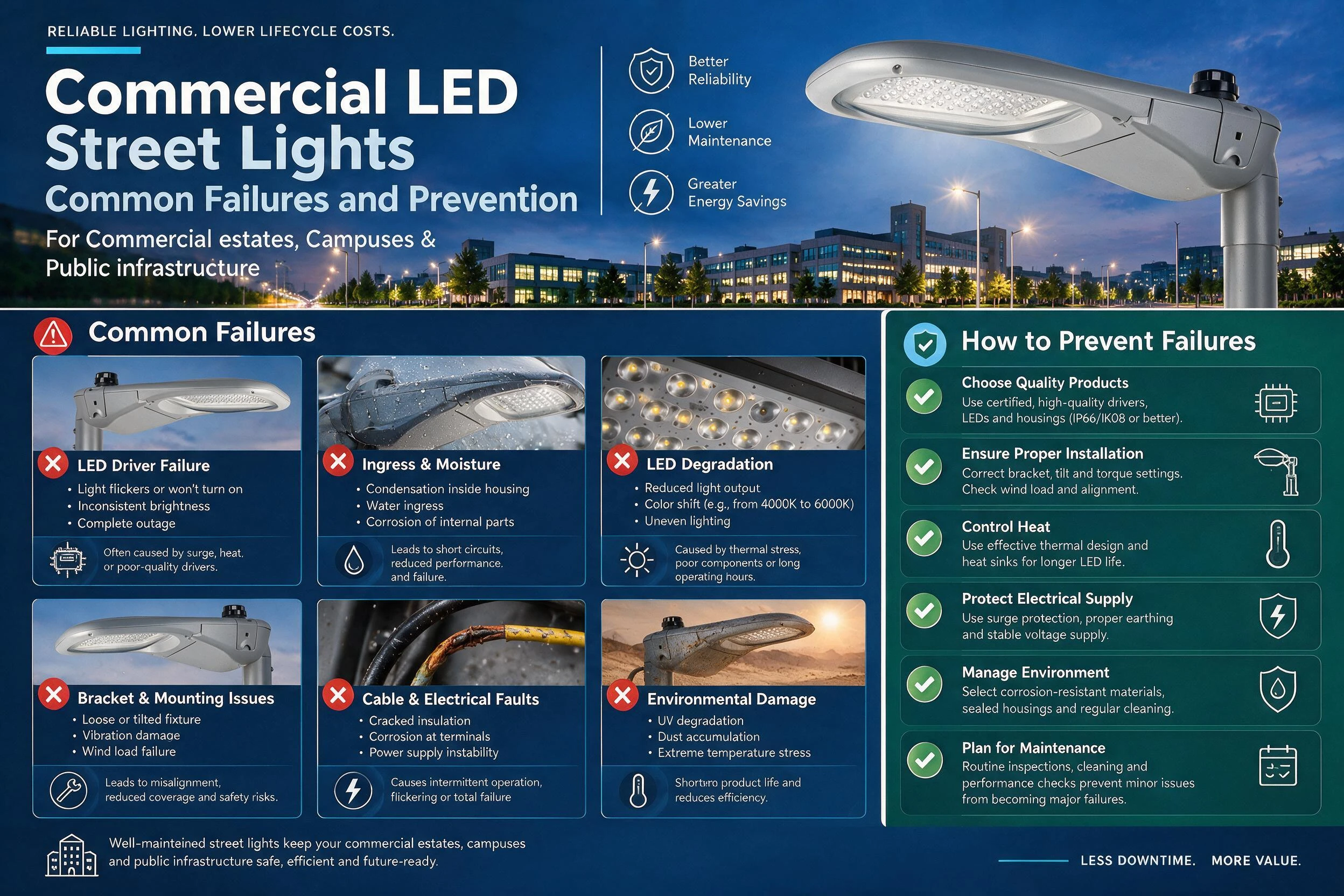
Luxific describes its OEM/ODM capability as extending from technical design and prototyping through quality control and logistics. Its representative street light specifications include IP66 protection, IK09 impact resistance, 10KV/10KA surge protection, and an ambient range of -40°C to +55°C. These figures apply to the stated configuration and should be confirmed for the exact model selected.
5. A Practical OEM/ODM Decision Workflow
The most efficient projects maintain one clear chain from customer requirement to final shipment.
- RFQ: Provide complete project, technical, quantity, certification, and delivery information.
- Feasibility: Let the Manufacturer review technical and production requirements.
- Engineering: Finalize optical, electrical, mechanical, appearance, and branding specifications.
- Prototype: Build and test the Customizable solution.
- Approval: Confirm the final sample and documentation.
- Production: Manufacture according to the approved specification.
- Inspection: Verify finished products before shipment.
- Delivery: Coordinate packaging, logistics, and project schedule.
This workflow gives brands greater control over product identity, gives distributors a repeatable supply solution, and gives project contractors a clearer path from specification to installation.
Choose an OEM LED Street Light Partner Based on the Entire Process
A competitive OEM Supplier is not defined by price alone. The stronger choice is the Manufacturer that can understand your application, respond to engineering requirements, manage customization, provide samples, control mass production, and support final inspection. Luxific combines LED outdoor lighting manufacturing with OEM and ODM project services, in-house R&D, prototyping, quality control, and logistics.
Start Your OEM/ODM LED Street Light Project
Send Luxific your road dimensions, pole height, target illuminance, quantity, required market certifications, and delivery date. With these inputs, our team can evaluate the application, recommend a suitable configuration, and prepare a project quotation.