Why the Wrong LED Street Light Fixture Can Increase Project Risk
A street lighting project can look simple until poor fixture selection creates uneven illumination, excessive energy use, difficult maintenance, certification problems, or retrofit incompatibility. For municipalities, EPC contractors, and lighting integrators, these issues can cause redesigns, installation delays, and higher lifetime costs. The risk is greater when replacing existing fixtures because pole geometry, mounting interfaces, wiring, and road conditions must all work together. A practical selection process should therefore start with the road, photometric target, installation conditions, and compliance requirements rather than simply choosing the lowest purchase price.
The best LED street light fixture is selected by matching road class, mounting height, target illuminance, optical distribution, maintained light output, controls, certifications, and lifecycle cost. Luxific supports project oriented LED street lighting with customizable optics, mounting options, smart controls, international certifications, and OEM and ODM capabilities.
1. Start With Road Class and Application Inputs
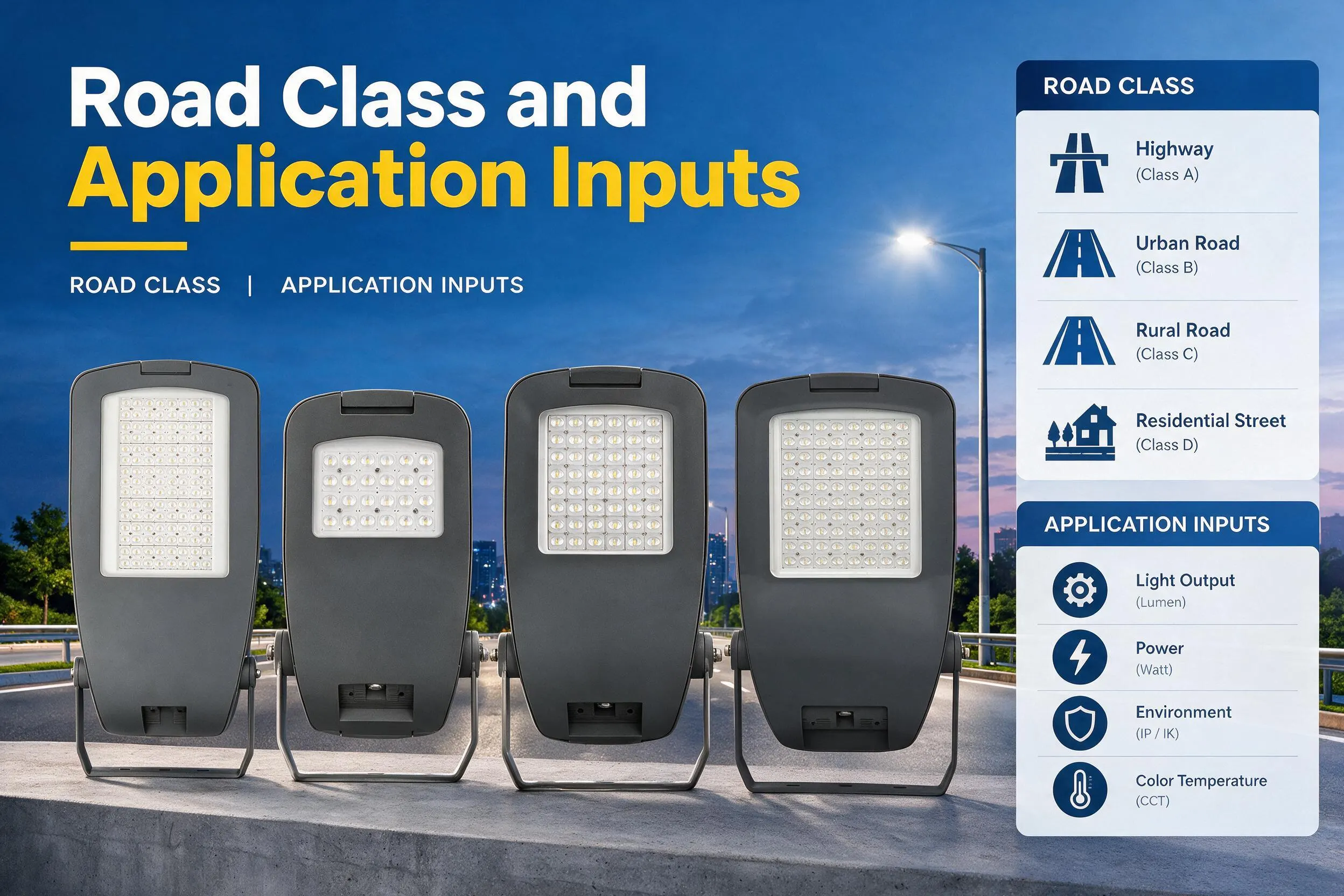
New build and retrofit projects require different starting points, but both should be based on measurable site information. Road width, pole spacing, mounting height, traffic conditions, pedestrian activity, existing infrastructure, and required illumination should be defined before comparing fixtures.
- Define the road type, such as highway, urban road, residential street, intersection, pedestrian zone, or parking area.
- Record road width, lane arrangement, pole height, pole spacing, setback, and mounting arm geometry.
- Confirm the required illuminance, uniformity, glare limitation, and color requirements for the project.
- For retrofit projects, document the existing fixture wattage, mounting interface, control system, electrical supply, and maintenance history.
- Request a photometric calculation before finalizing the fixture and quantity.
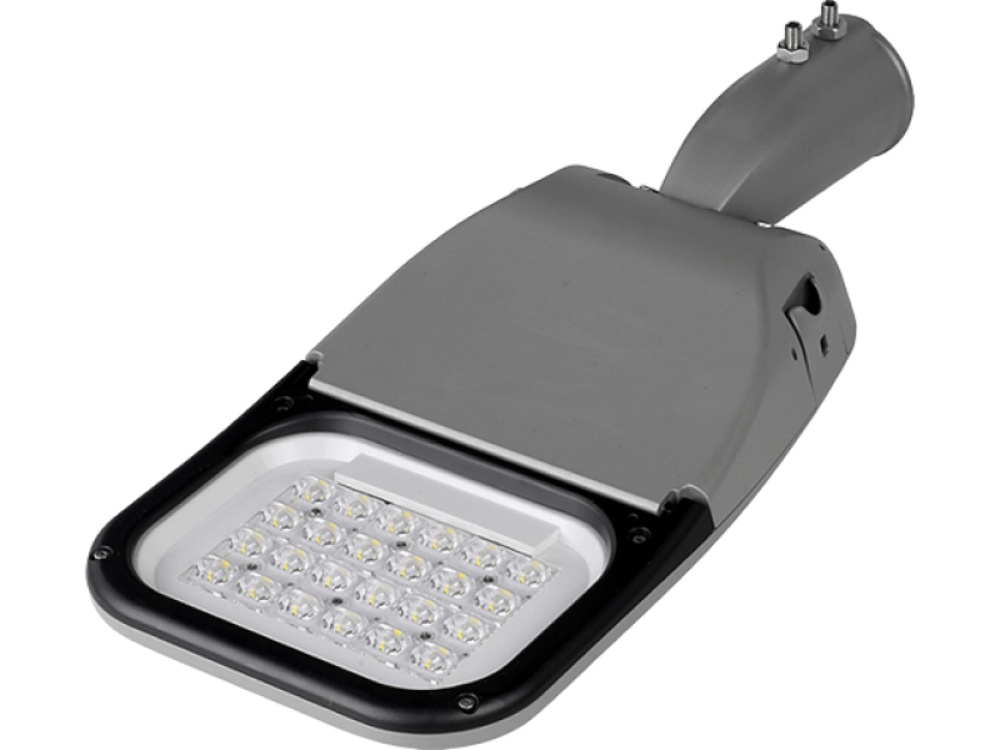
Luxific product information identifies LED street lights for highways, urban roads, residential communities, parking lots, cycling paths, and pedestrian zones. The company also provides multiple optical distributions and optional smart control functions for different applications.
| Project input | Why it matters | Typical decision |
|---|---|---|
| Road width | Determines coverage requirement | Optical distribution and fixture quantity |
| Mounting height | Changes beam reach and glare behavior | Optics, power and aiming |
| Pole spacing | Affects uniformity between fixtures | Photometric layout |
| Traffic and pedestrian activity | Influences lighting requirements | Output and control strategy |
| Existing pole and wiring | Critical for retrofit compatibility | Mounting adapter and electrical configuration |
2. Compare Lumens, Efficacy and Maintained Output
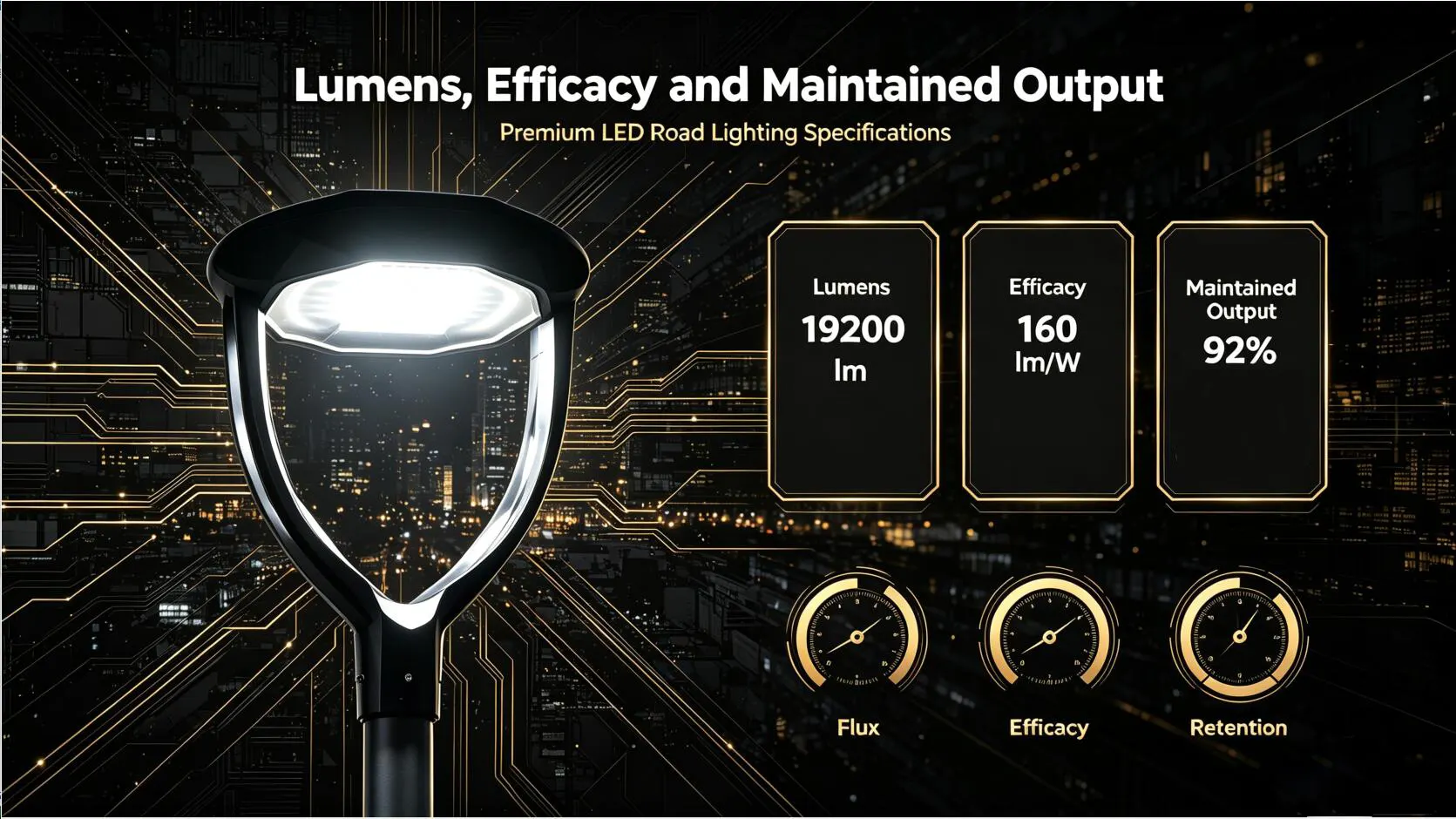
Do not select a street light simply because it has a higher lumen figure. Lumens describe the light produced by the fixture, while the actual road performance depends on optical distribution, mounting geometry, maintenance conditions, and the required lighting level.
Look Beyond Rated Lumens
- Check fixture lumen output rather than relying only on LED chip lumen data.
- Compare efficacy in lumens per watt together with actual project illumination.
- Consider thermal management because heat affects LED performance and long term output.
- Review driver quality, surge protection, operating temperature, and power factor.
- Evaluate maintained output and expected maintenance requirements over the project life.
Luxific documentation emphasizes high quality LED chips, reliable power supplies, effective heat dissipation, optical design, energy efficiency, durability, and easier maintenance as important factors affecting street light quality.
| Performance factor | What to verify with the Supplier | Why buyers should care |
|---|---|---|
| Lumen output | Fixture level tested data | Supports realistic lighting calculations |
| Efficacy | lm/W under stated conditions | Helps control operating energy |
| Thermal design | Housing and heat dissipation design | Supports stable long term performance |
| Driver | Input range, protection and control compatibility | Improves electrical reliability |
| Maintenance | Access and replacement requirements | Reduces future labor costs |
3. Match Optical Distribution to Pole Geometry
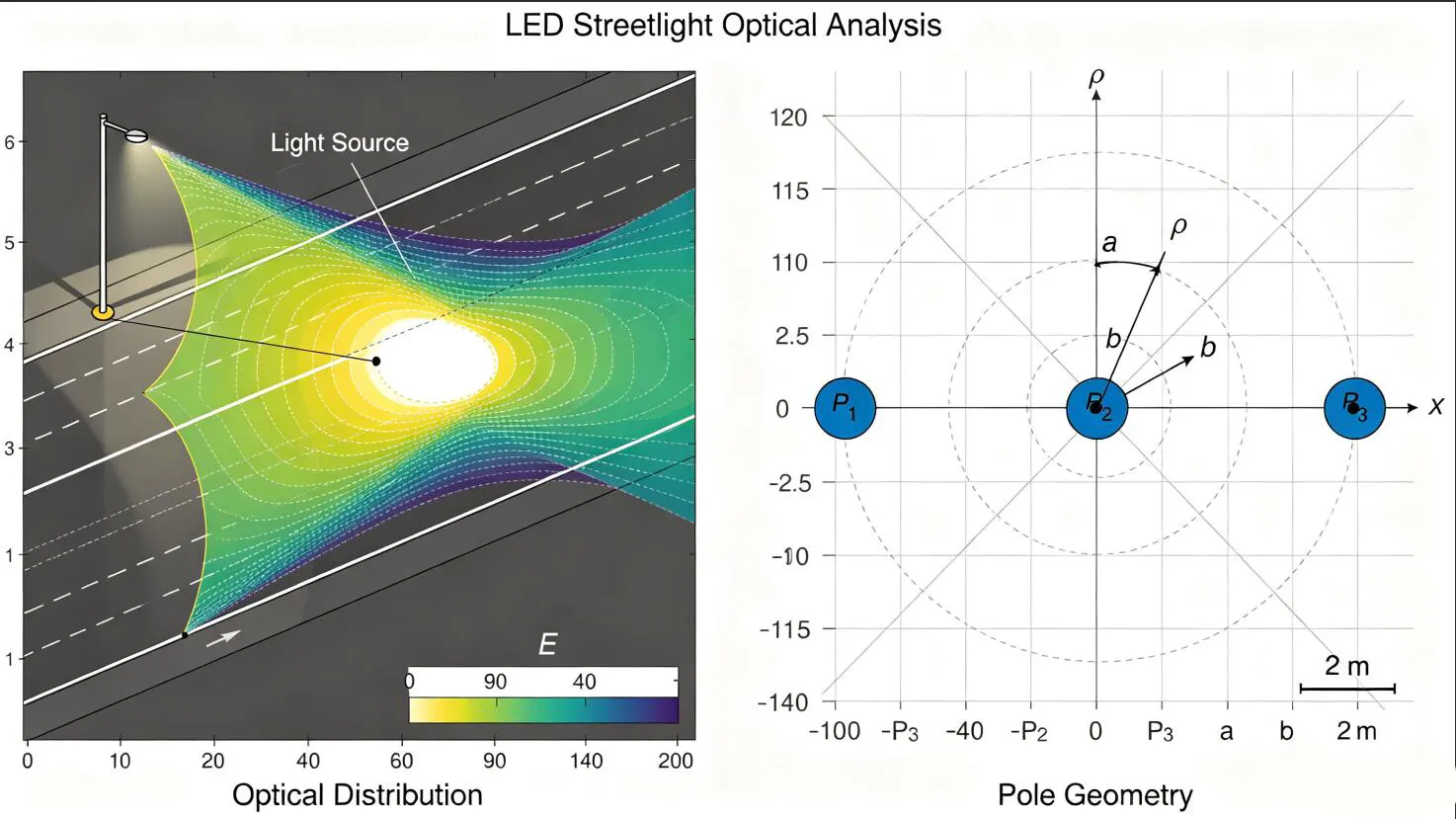
Optics are one of the most important differences between a basic outdoor luminaire and a properly engineered LED street light fixture. A fixture with excellent efficiency can still produce poor results if its light distribution does not match the road geometry.
For New Build Projects
New projects provide more freedom. The lighting designer can coordinate fixture output, pole height, pole spacing, arm length, road width, and optical distribution from the beginning. Photometric simulation should be used to identify dark areas, excessive brightness, and unnecessary light spill before installation.
For Retrofit Projects
Retrofit projects require greater attention to compatibility. Existing poles may have fixed heights and spacing, while old fixtures may use different mounting diameters or arm configurations.
- Measure the existing mounting diameter and insertion depth.
- Confirm the fixture weight and wind loading implications.
- Check whether the existing pole spacing remains suitable for LED optics.
- Compare the old and proposed photometric layouts rather than comparing wattage alone.
- Consider adjustable mounting or custom brackets when the existing infrastructure requires adaptation.
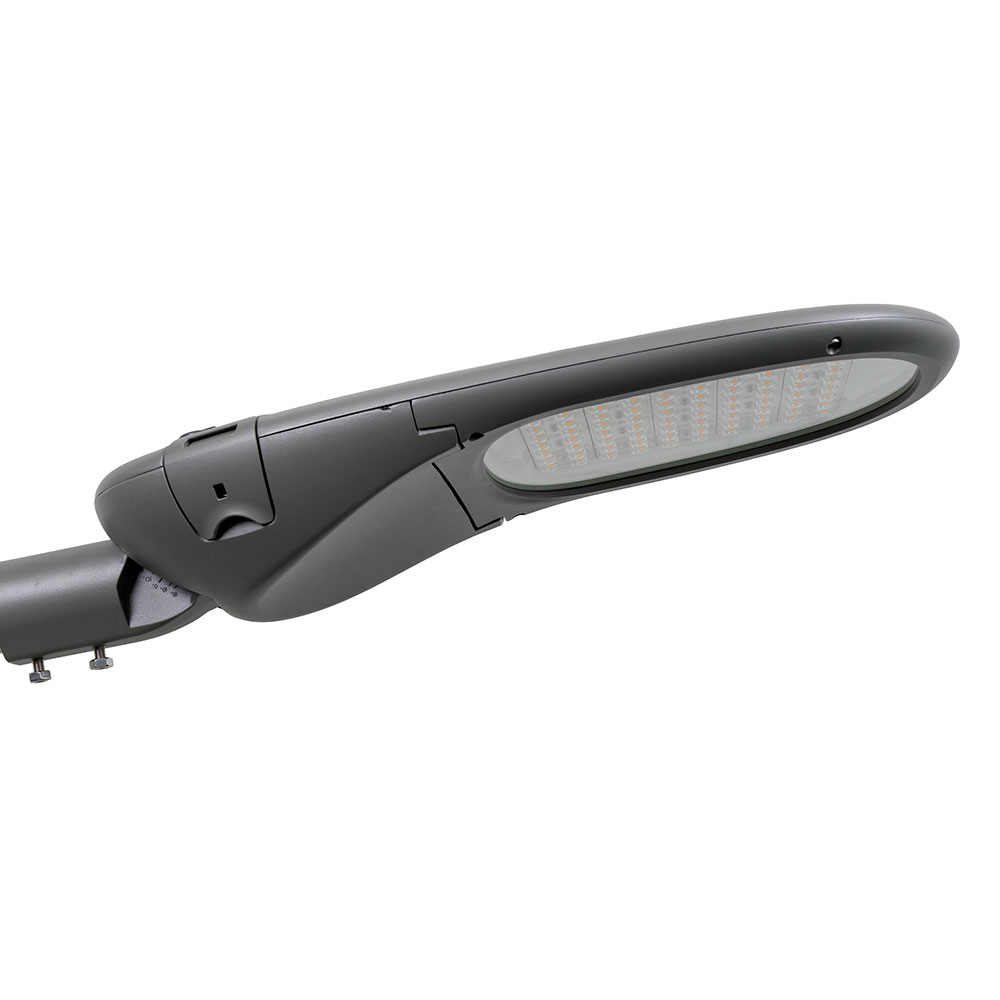
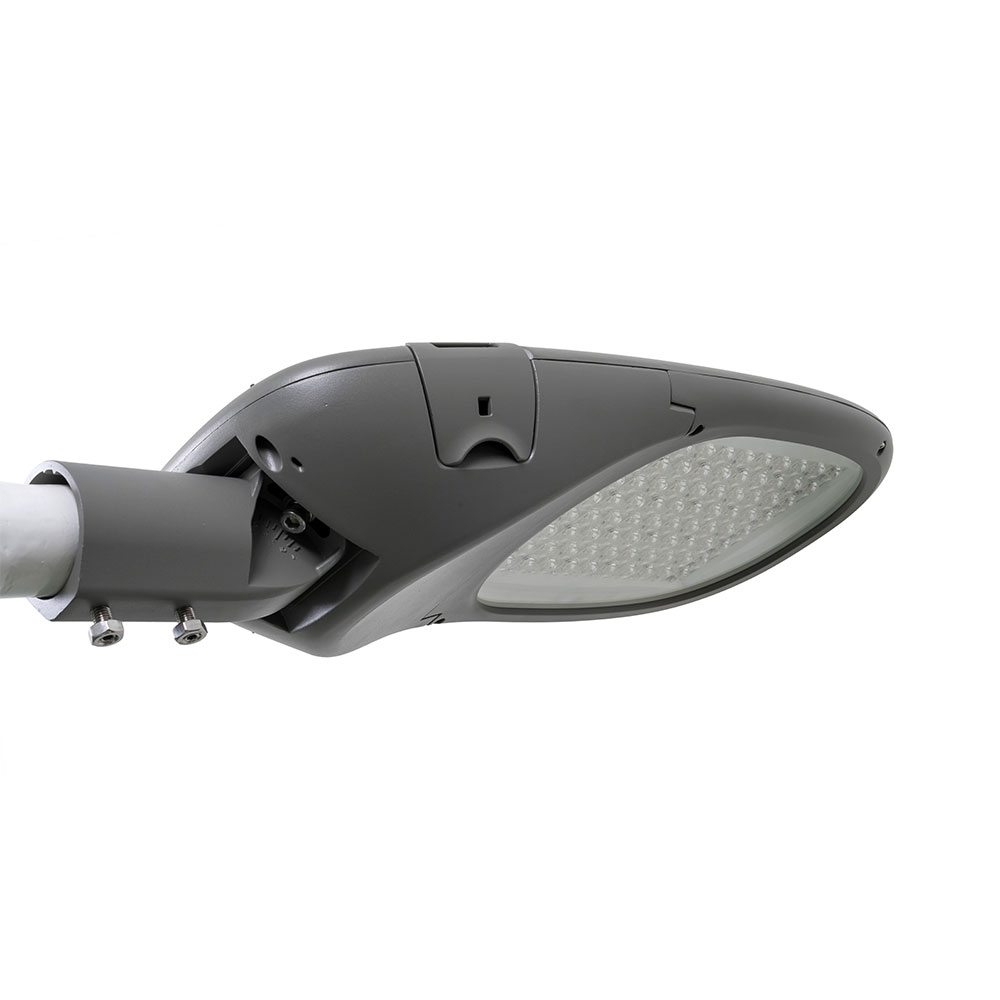
Luxific offers multiple optical distributions, including Type I through Type V on its documented street lighting platform, together with optional photocell, NEMA, and Zhaga interfaces. The documented fixture uses a die cast aluminum body, IP66 protection, IK09 impact resistance, and 10KV, 10KA surge protection.
4. Controls, Certifications and Lifecycle Cost
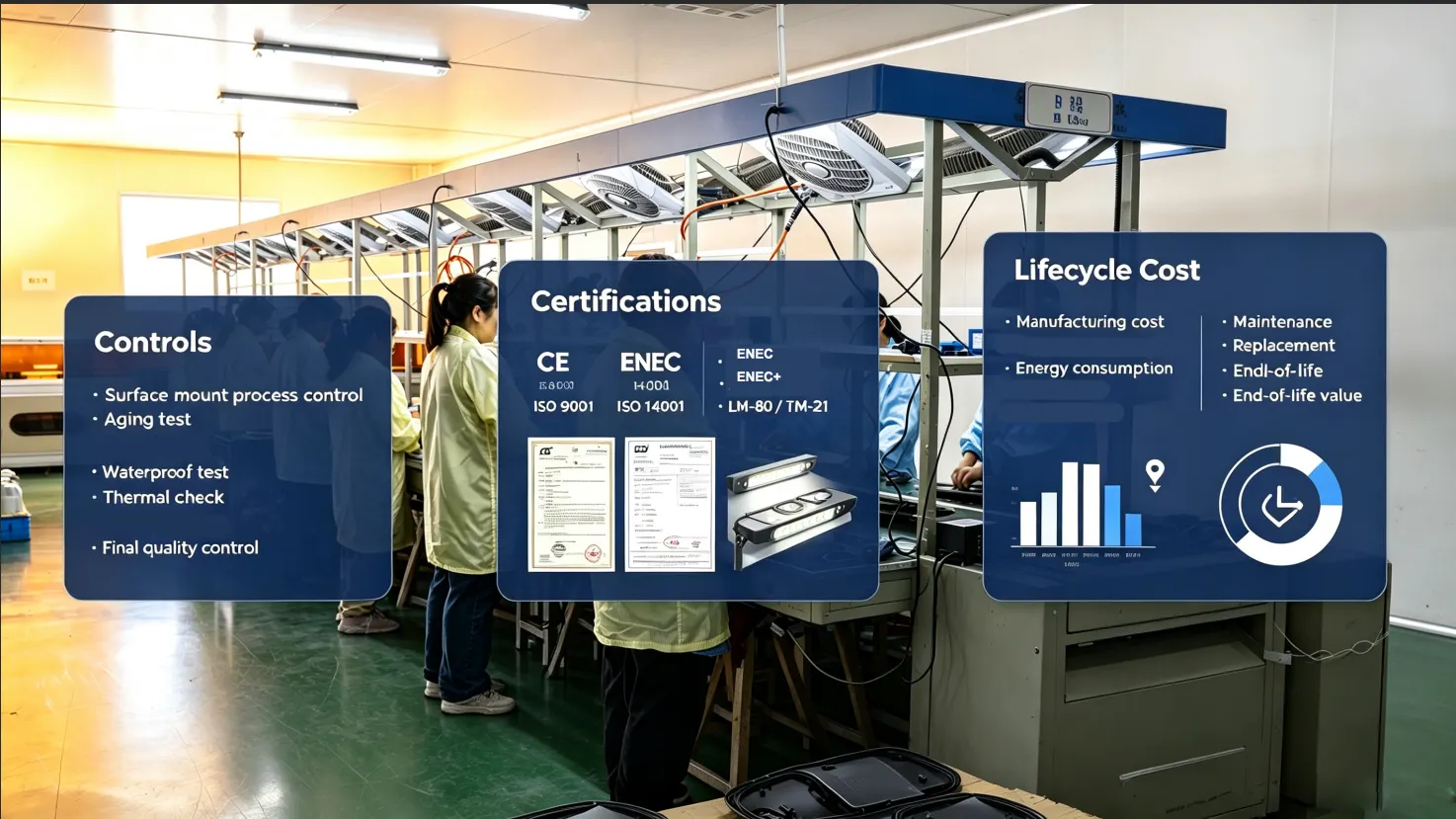
For public infrastructure, the cheapest fixture at purchase is not necessarily the lowest cost solution. A better comparison considers energy consumption, maintenance access, replacement frequency, controls, warranty support, certification, logistics, and expected service conditions.
Controls for Smarter Street Lighting
Smart street lighting can support remote monitoring, scheduled dimming, and adaptive operation. Luxific has documented smart control integration and has presented a smart lighting control platform capable of remote monitoring and adaptive dimming.
For a large municipal project, controls should be selected according to the actual operating strategy rather than added simply because the technology is available. Useful options may include DALI, 0 to 10V, Astro Dim, Step Dim, photocell, NEMA, or Zhaga interfaces, depending on the project architecture.
Certifications and Supplier Verification
Certification should be treated as a procurement checkpoint. Ask the Manufacturer or Supplier for certificates, test reports, product model numbers, and the relationship between the certificate and the exact fixture being offered.
- Verify applicable market certifications before ordering.
- Check CE, CB, RoHS, ENEC, or other requirements according to the destination market.
- Request LM79, TM21, IEC 62471, EMC, and relevant test documentation where applicable.
- Confirm IP and IK ratings against the actual project environment.
- Review warranty terms, technical support, spare parts, and replacement procedures.
Luxific states that its product and management certifications include ISO 9001, CE, RoHS, and CB, while documented street lighting products include CE, CB, ENEC, EMC, TM21, LM79, and IEC 62471 certification or testing references. Buyers should still verify the current certificate for the exact model and destination market before procurement.
Think Like a Lifecycle Cost Buyer
A professional Wholesaler, EPC contractor, municipality, or lighting integrator should compare total ownership cost rather than fixture price alone.
- Calculate the number of fixtures required from the photometric design.
- Compare fixture power and expected operating hours.
- Estimate energy consumption over the planned service period.
- Include installation, inspection, cleaning, replacement, and maintenance labor.
- Consider downtime and access costs, especially for highways and difficult locations.
- Evaluate warranty coverage and Supplier responsiveness.
Luxific describes its LED street lights as solutions designed to reduce energy consumption and maintenance costs, with product features including long service life, IP65 or IP66 protection, intelligent control integration, and maintenance friendly construction.
5. When Customizable OEM or ODM Solutions Make Sense
Standard fixtures are often suitable for routine replacement, but large infrastructure projects can require specific mounting, dimensions, appearance, control interfaces, branding, or optical performance.
- OEM is useful when the buyer has an established product specification or brand requirement.
- ODM is useful when the buyer needs engineering support to develop a project specific solution.
- Customizable dimensions can help address unusual mounting or space constraints.
- Custom colors, materials, logos, and packaging can support distributor or municipal requirements.
- Custom brackets and optical configurations can improve retrofit compatibility.
Luxific documents OEM and ODM capabilities covering materials, dimensions, colors, branding, packaging, technical design, prototyping, quality control, and logistics.
6. A Practical Selection Checklist
- Define the road class and application.
- Measure road width, pole height, spacing, and mounting geometry.
- Set target illuminance and uniformity requirements.
- Select optical distribution according to the road geometry.
- Compare fixture lumens, efficacy, driver, thermal design, and maintained output.
- Confirm IP, IK, surge protection, operating temperature, and material requirements.
- Review controls and smart city compatibility.
- Verify certificates and test reports for the exact product model.
- Request a photometric calculation and fixture quantity recommendation.
- Compare total lifecycle cost, warranty, delivery capability, and technical support.
Choose the Fixture Around the Project, Not the Other Way Around
Whether you are planning a new road or upgrading an existing network, the right LED street light fixture should balance photometric performance, reliability, compliance, installation compatibility, energy efficiency, and lifetime maintenance cost. Luxific combines manufacturing, engineering, OEM and ODM customization, testing, and project support for wholesale and infrastructure applications.
Request a Project Based Recommendation
Send your road dimensions, pole height, target illuminance, quantity, required market certifications, and delivery schedule to Luxific. Our team can use these inputs to recommend suitable fixtures, optics, configurations, and a project based quotation.