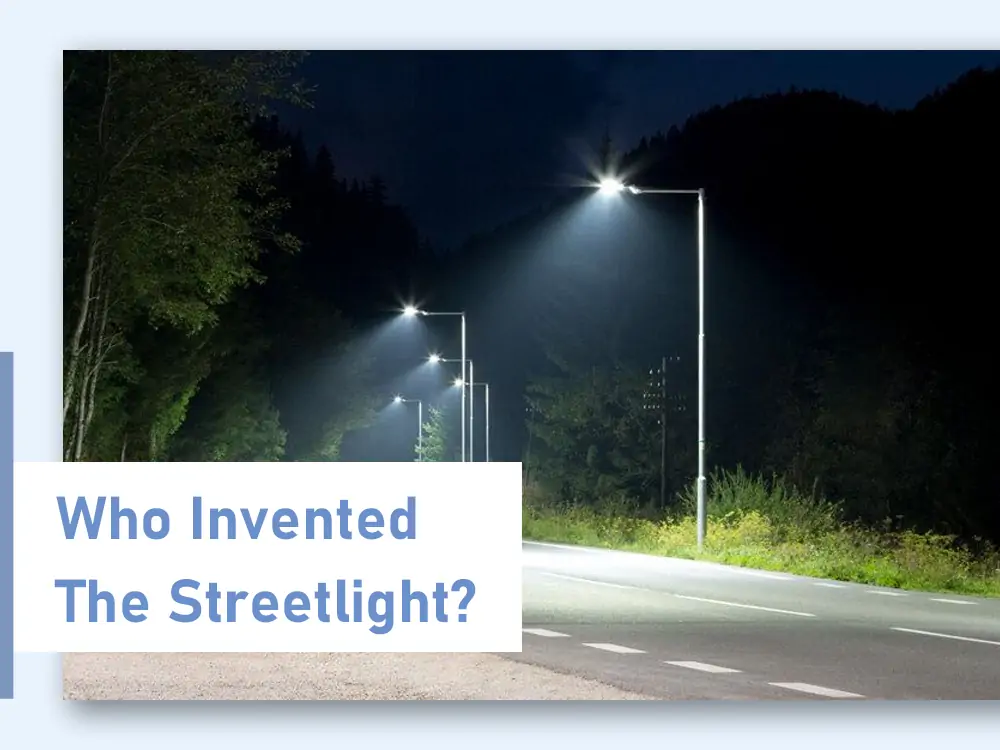
Why the Wrong Roadway Light Can Increase Project Risk
Choosing roadway lighting by wattage or unit price alone can create uneven illumination, excessive glare, unnecessary energy use, and higher maintenance costs. On motorways, arterials, and collector roads, these problems can affect driver visibility and project compliance. The risk increases when pole height, road width, spacing, optics, and required illuminance are considered separately. A reliable roadway lighting plan therefore starts with the road application and photometric requirements, then matches the LED luminaire to the complete installation.
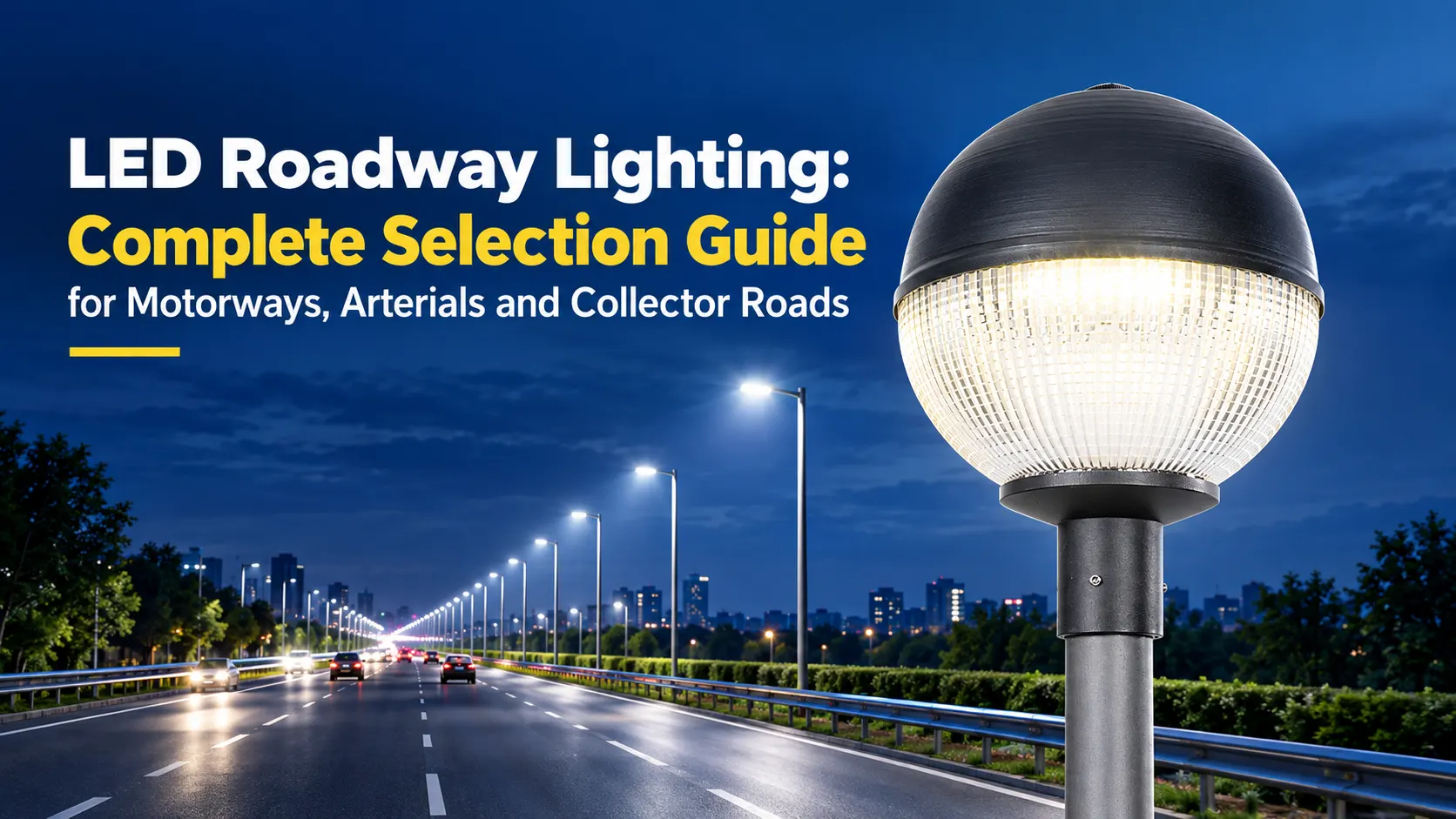
For LED roadway lighting, select the luminaire from road class, required illuminance and uniformity, pole height and spacing, optical distribution, environmental conditions, controls, certifications, and lifecycle cost. Luxific, a professional LED lighting Manufacturer and Supplier, provides customizable roadway solutions with multiple optics, smart-control options, testing documentation, and OEM and ODM support.
1. Start With Road Class and Application Inputs
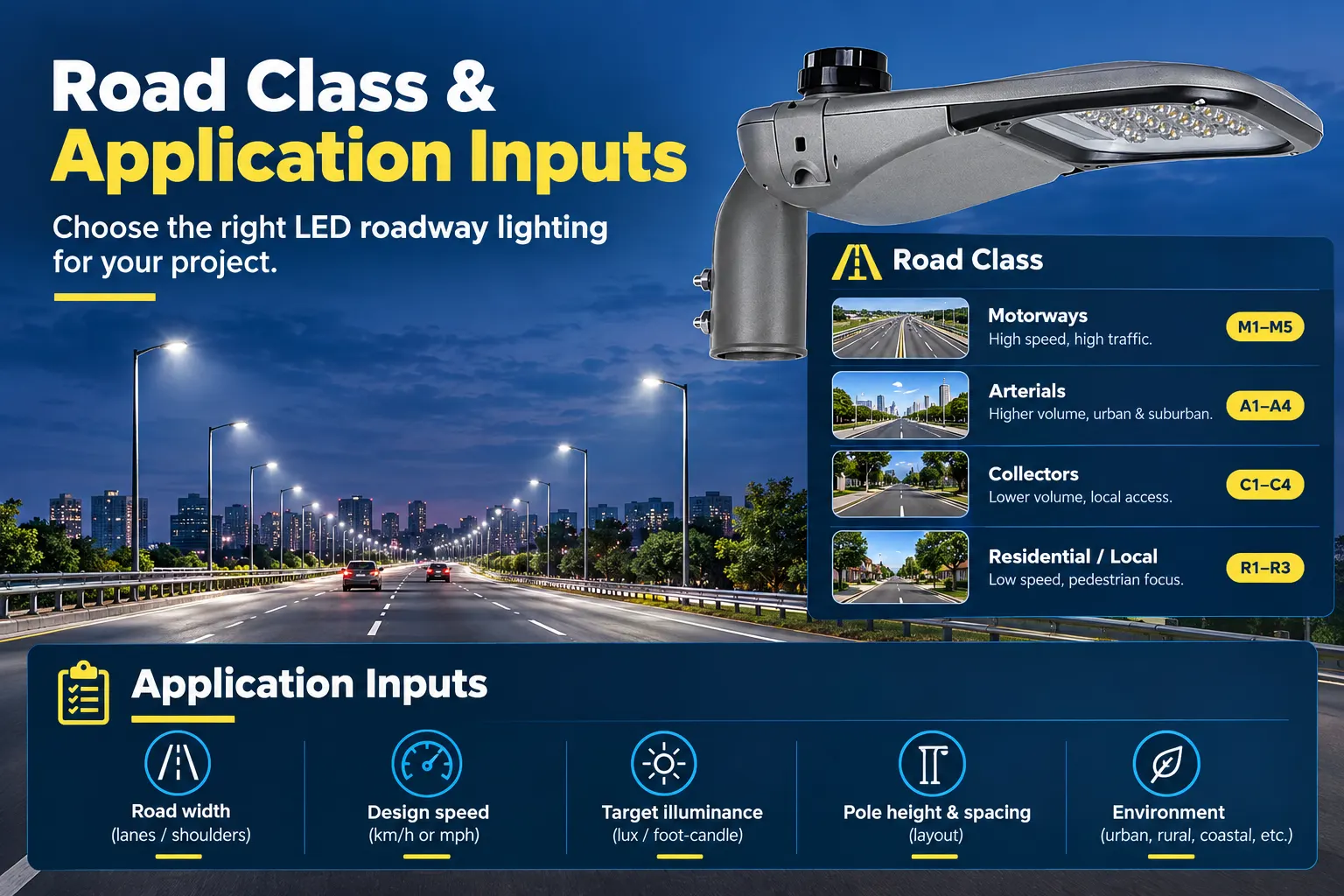
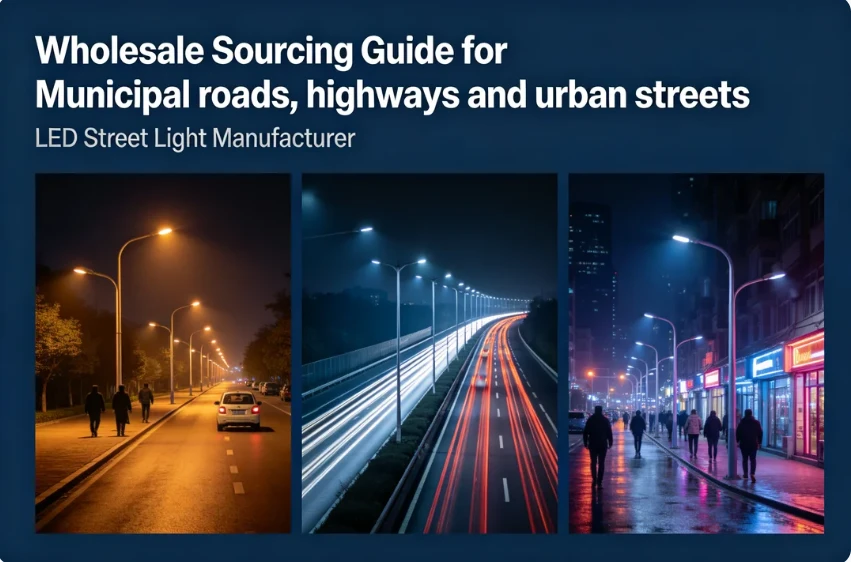
The first selection decision is not the lamp wattage. It is the road and its operating environment. Luxific product information identifies municipal roads, residential zones, and highways as suitable applications for its roadway luminaires, while different road layouts require different optical and power configurations.
Key inputs to collect before requesting a quotation
- Road category: motorway, arterial road, collector road, intersection, bridge, or urban street.
- Road width and number of lanes.
- Pole height, mounting arrangement, and pole spacing.
- Median, single-side, opposite-side, or staggered installation.
- Required illuminance and uniformity according to the project specification.
- Traffic volume, pedestrian activity, and surrounding land use.
- Environmental conditions, including temperature, moisture, dust, snow, or coastal exposure.
- Local electrical requirements, certifications, and control-system requirements.
Roadway selection matrix
| Road application | Primary lighting priority | Selection focus |
|---|---|---|
| Motorway | High-speed driver visibility and consistent coverage | Optics, pole geometry, uniformity, glare control, reliability |
| Arterial road | Balanced traffic and pedestrian visibility | Distribution, spacing, CCT, controls, maintenance |
| Collector road | Safe local traffic movement | Appropriate output, mounting height, uniformity, cost |
| Intersection | Visibility of vehicles, pedestrians, and conflict points | Higher localized lighting requirements and optical aiming |
2. Match Lumens, Efficacy and Maintained Output
Lumens describe the total light output of a source, while lux describes the light reaching a specific area. Therefore, choosing a roadway luminaire only by its lumen rating can be misleading. The same lumen output can produce different results depending on optics, mounting height, road width, and spacing.
Use a project-based calculation process
- Define the required illuminance and uniformity.
- Measure the road geometry and mounting arrangement.
- Select an appropriate optical distribution.
- Model fixture output, pole height, spacing, and aiming.
- Check the resulting light distribution before finalizing the quantity and power.
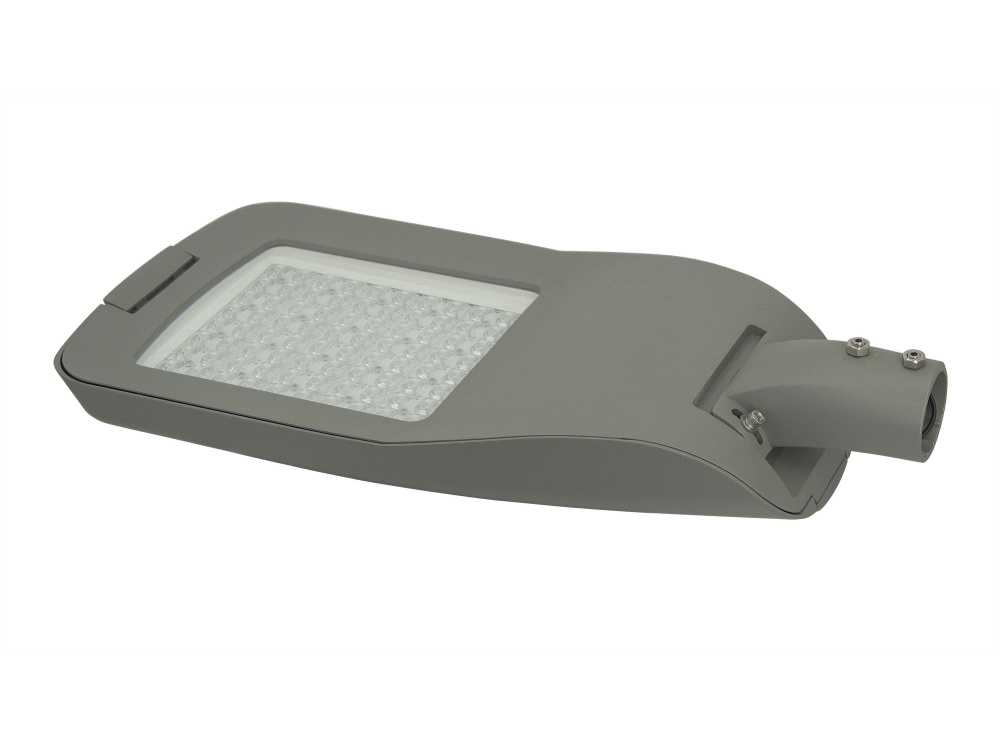
Luxific roadway products are designed around application-specific efficiency and distribution. For example, the VEGA series is described for municipal roads, residential zones, and highways, with multiple control inputs and a power factor of at least 0.95.
Do not confuse wattage with lighting performance
Wattage represents electrical power consumption, not the amount of useful illumination delivered to the road. Road size, mounting height, distribution, and desired lighting level all influence the required power. The company source also emphasizes that pole height affects coverage, spacing, uniformity, glare, and energy efficiency.
| Parameter | What it tells you | Why it matters |
|---|---|---|
| Watts | Electrical power consumed | Important for energy and electrical design |
| Lumens | Total light output | Useful for comparing fixture output |
| Lux | Light received over an area | Relevant to roadway lighting requirements |
| lm/W | Luminous efficacy | Helps evaluate energy efficiency |
| Uniformity | Consistency of illumination | Important for visual comfort and road safety |
3. Select Optical Distribution From Pole Geometry
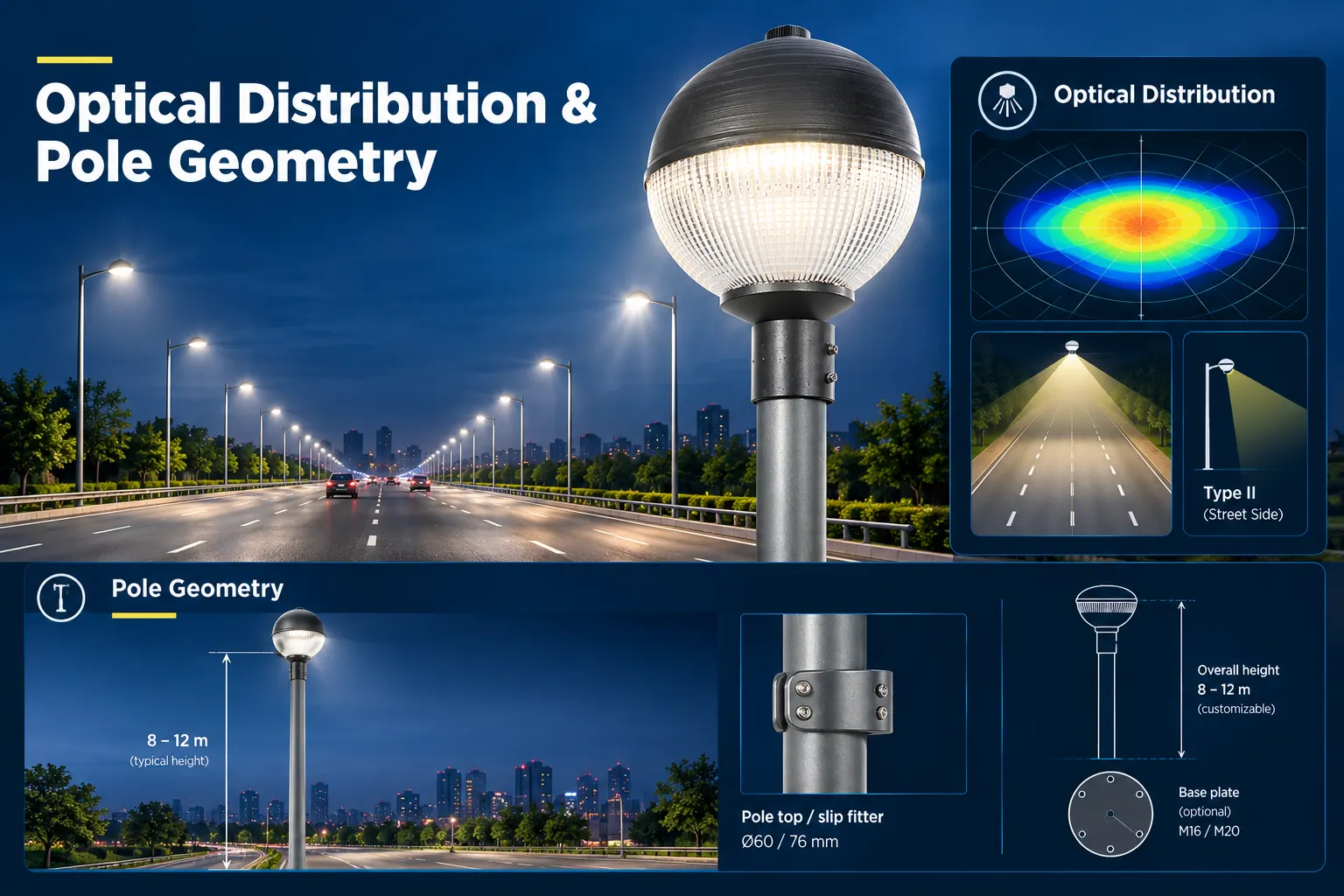
Optics should be selected together with pole height and spacing. A high pole can cover a larger area, but excessive height may reduce useful intensity. A low pole can create stronger illumination close to the fixture while reducing coverage. Incorrect spacing can create dark areas or excessive brightness.
Check these geometry variables
- Pole height and outreach length.
- Road width and lane arrangement.
- Pole-to-pole spacing.
- Fixture tilt and mounting orientation.
- Distance between the luminaire and road centerline.
- Potential glare, shadows, and light trespass.
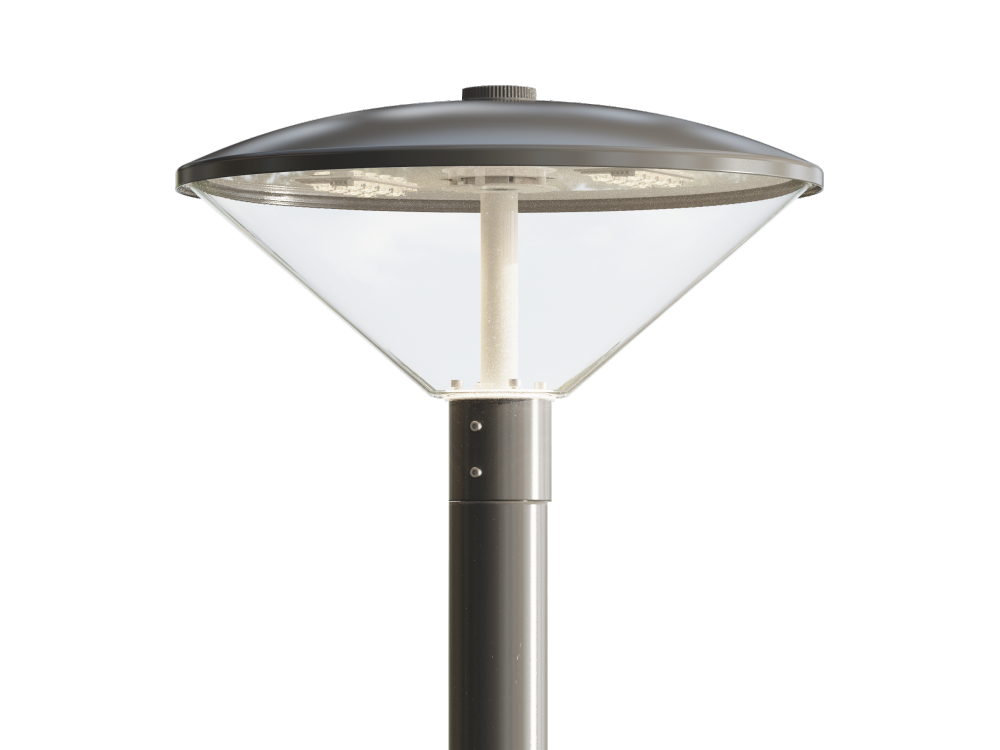
Luxific offers roadway luminaires with multiple optical distributions. The SPHERE series, for example, provides wide beam angles for uniform distribution, while the PIECES series offers Type I to Type V distributions for different road configurations.
Why photometric planning matters
Before mass production or installation, a professional Supplier should be able to work from the actual project geometry rather than recommend a standard fixture blindly. A photometric layout can help determine whether the selected power, optics, mounting height, and spacing are appropriate for the project.
4. Check Controls, Certifications and Lifecycle Cost
Controls and future upgrades
Modern roadway lighting can incorporate photocells, NEMA sockets, Zhaga interfaces, DALI, 0-10V, Astro Dim, or Step Dim, depending on the selected luminaire. These options can support scheduled or adaptive lighting strategies and provide flexibility for future smart-city upgrades.
- Use photocells where automatic dusk-to-dawn operation is required.
- Consider dimming where traffic patterns support reduced nighttime output.
- Consider NEMA or Zhaga interfaces for smart-city integration.
- Confirm compatibility between the luminaire, driver, controller, and local electrical system.
Certifications and environmental protection
Project buyers should request certification and testing documentation before placing a large order. Luxific states that its products include certifications such as CE, CB, ENEC, EMC, LM-79, TM-21, and IEC 62471 on selected roadway products. The VEGA series is also specified with IP66 protection, IK09 impact protection, and 10kV, 10kA surge protection. Requirements vary by market and project, so the applicable documentation should be confirmed for each quotation.
Evaluate the Supplier by lifecycle value
For municipalities, EPC contractors, infrastructure contractors, and Wholesaler buyers, the lowest purchase price does not necessarily represent the lowest project cost. Consider:
- Fixture purchase price.
- Electrical consumption over the operating period.
- Expected maintenance frequency and accessibility.
- Driver and component replacement requirements.
- Warranty support and technical response.
- Spare-parts availability and future compatibility.
- Delivery reliability and project lead time.
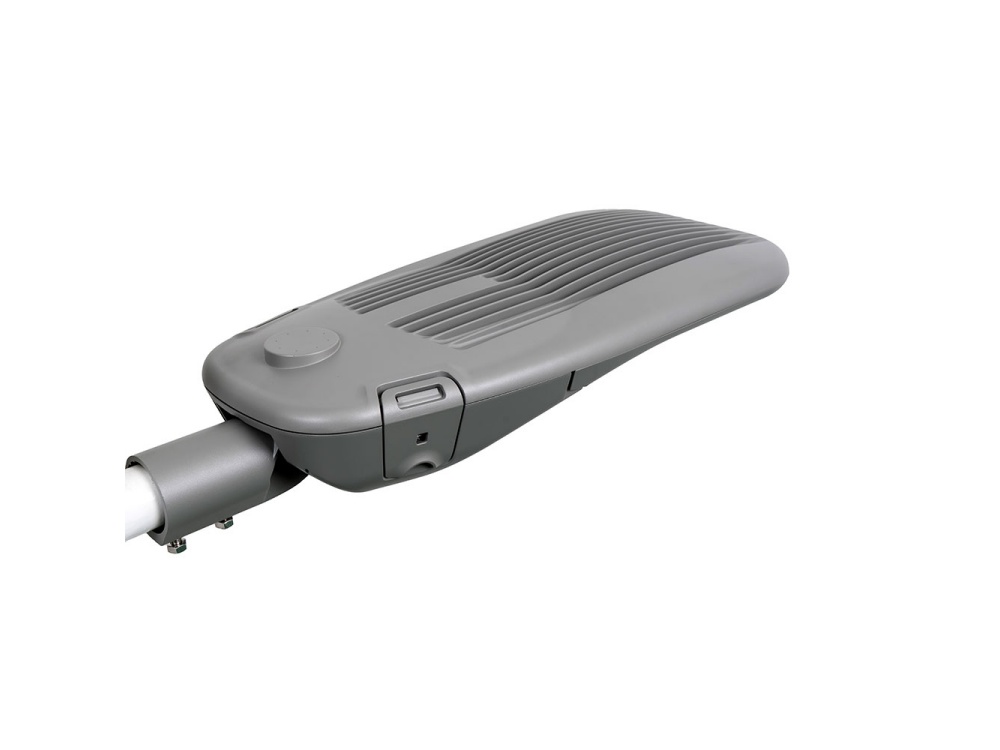
Luxific states that its roadway products use modular and tool-free designs on selected models, supporting installation, maintenance, and future upgrades. Its factory also provides OEM and ODM services, including customized dimensions, materials, colors, branding, packaging, technical design, prototyping, quality control, and logistics.
5. A Practical Roadway Lighting Selection Checklist
- Define the road class and project standard.
- Provide road width, lane count, pole height, spacing, and mounting arrangement.
- Specify target illuminance and uniformity.
- Select optical distribution based on road geometry.
- Compare lumen output, efficacy, and electrical power.
- Check environmental protection and surge requirements.
- Confirm required certifications and test reports.
- Evaluate control and smart-city compatibility.
- Review warranty, maintenance, delivery, and total lifecycle cost.
- Request a project-specific photometric proposal before finalizing the model.
For distributors and project buyers, Luxific can also support Customizable, OEM, and ODM requirements when standard configurations do not match the project or brand specification. Its company materials describe strict quality testing, in-house technical support, R&D, and international certification support.
Conclusion
Send Luxific your road width, pole height, spacing, target illuminance, quantity, required market certifications, and delivery date. Our team can use these project inputs to recommend suitable LED roadway lighting, prepare the technical configuration, and provide a quotation.