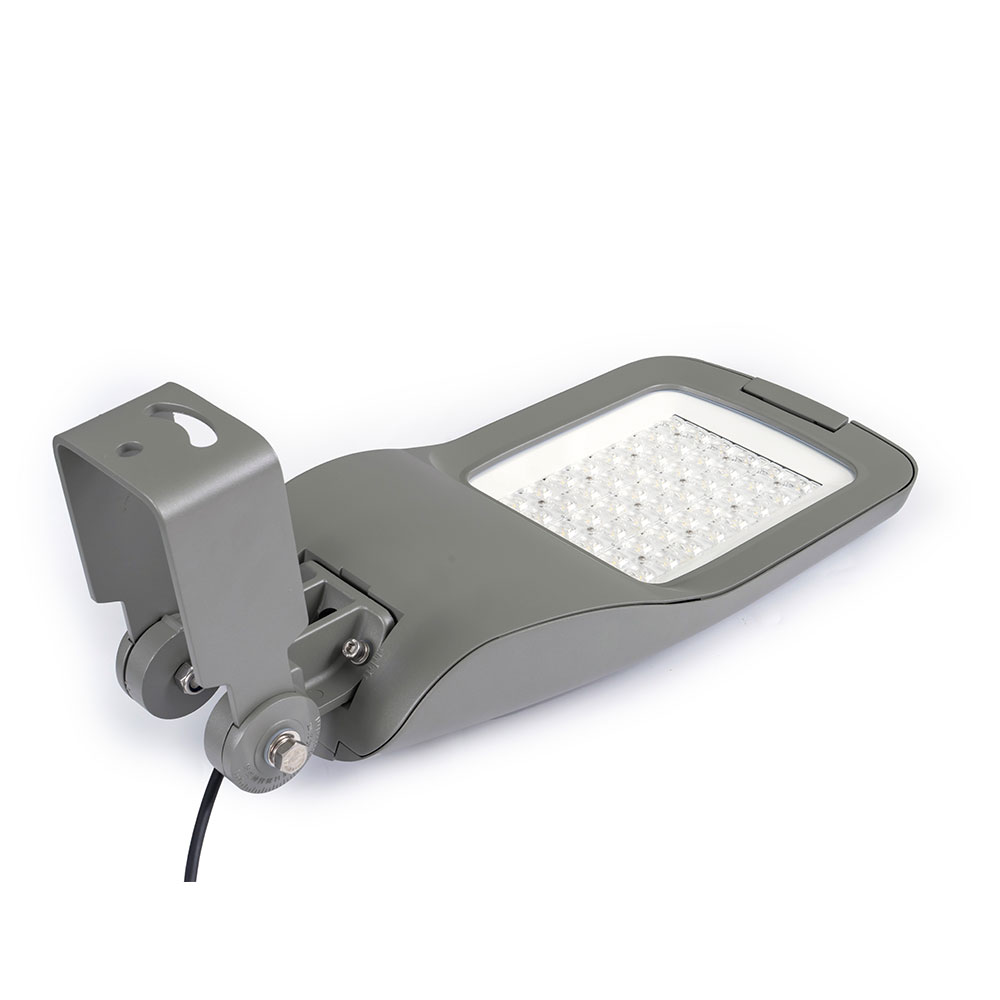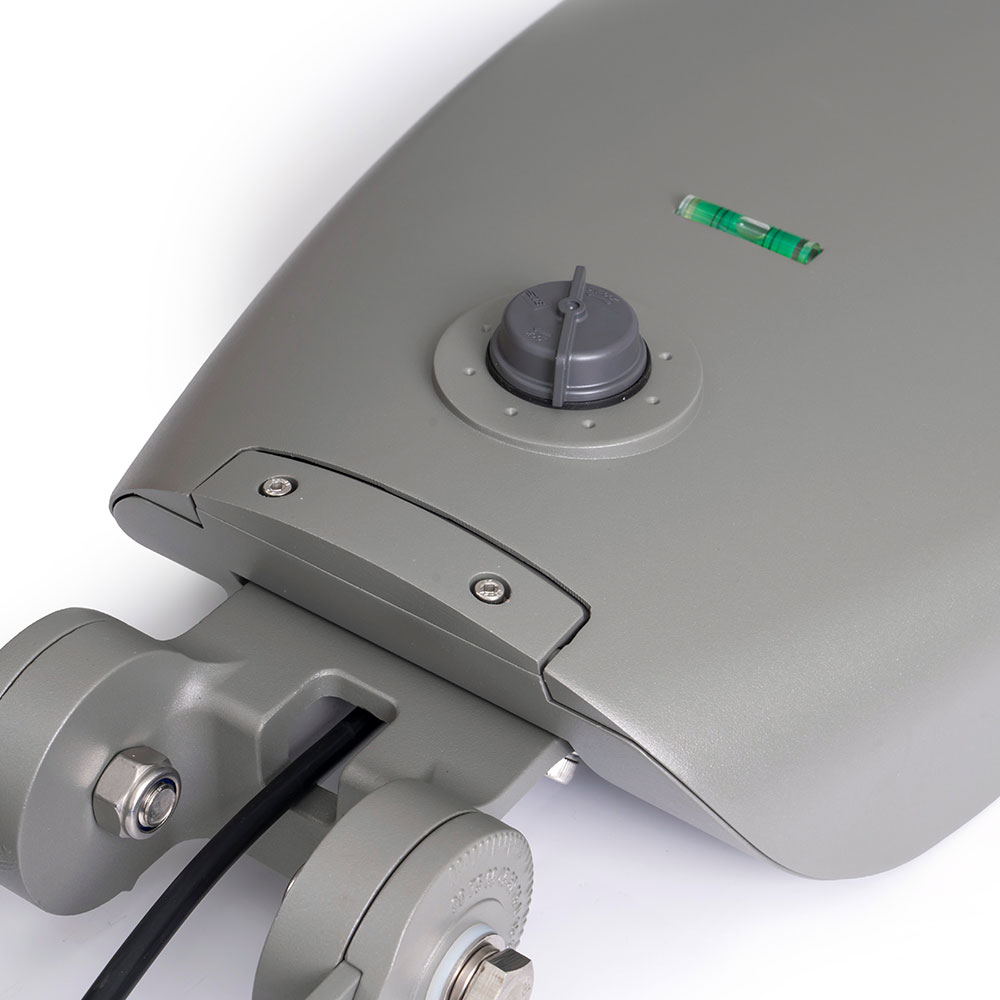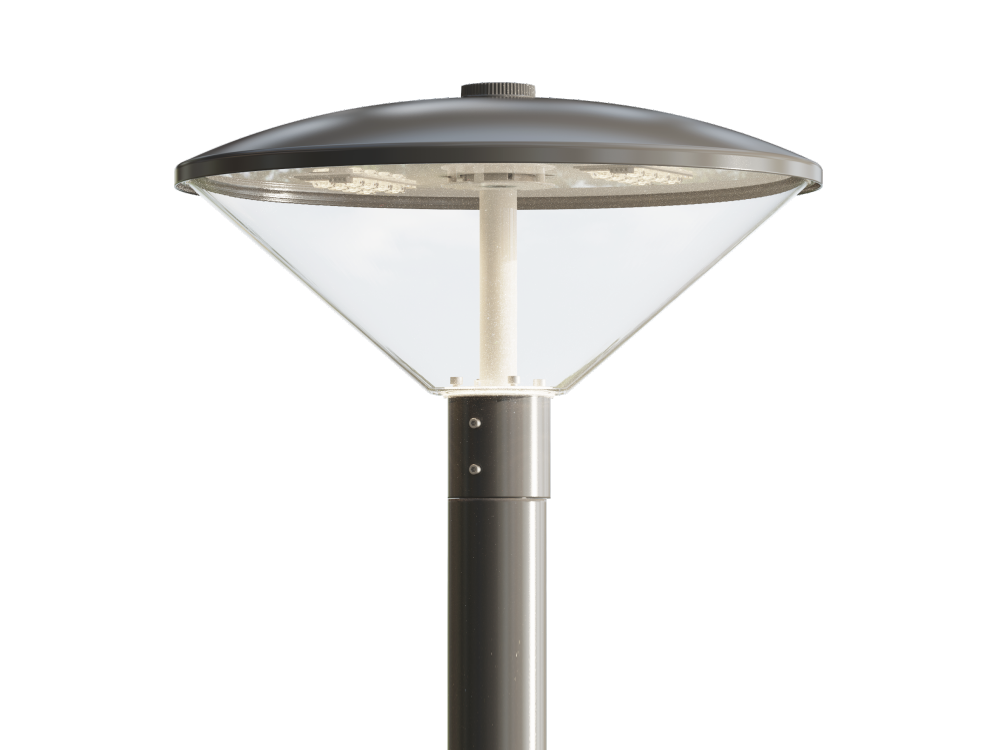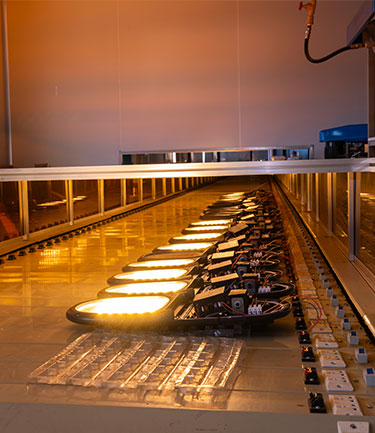
With the development of technology, LED street lights have become the mainstream environmentally friendly lighting equipment for urban roads due to their outstanding advantages including high energy efficiency, high brightness, fast startup speed, long service life, low failure rate and simple maintenance. However, non-standard lamp design, model selection or installation will easily cause harsh glare and light spillage, leading to urban light pollution.
Scattered strong light irritates human eyes, causes visual fatigue and reduces road visibility, which seriously endangers driving safety and pedestrians’ night travel experience. In addition, it shines into residents’ windows and brightens the night sky, disturbing people’s rest and causing unnecessary power waste.
I. Main Causes of Glare and Light Spillage of LED Street Lights
1. Poor quality of accessories
Inferior core accessories such as lamp chips and lenses easily cause light flicker, which will continuously irritate and damage human eyes in long-term use.
2. Non-standard installation
Unreasonable installation height and tilt angle of street lights result in close-range strong light directly shining on drivers and pedestrians, causing severe glare.
3. Excessive lamp power
The power of LED street lights far exceeds the actual lighting demand of roads. Excessive brightness aggravates glare and light spillage.
4. Defective optical design
Lamps lack light shielding structures and adopt unreasonable light distribution designs. The light cannot be effectively controlled, resulting in strong light directly entering people’s eyes and spreading unrestrainedly upward and to both sides of the road.
II. Solutions to Reduce Light Glare
Core principle: Prevent strong light from directly irradiating human eyes and limit the lighting range.
1. Adopt LED street lights with full shading structures to avoid upward light leakage and irregular light diffusion to the roadside;
2. Optimize the light distribution design to concentrate light on the road surface and reduce lateral stray light;
3. Standardize the installation height, spacing and tilt angle of street lights according to road width to avoid eye irritation from close-range strong light.
III. Methods to Reduce Light Pollution (Light Spillage)
1. Match lamp power according to actual demands, and adopt differentiated designs for main roads and branch roads to avoid blind use of high-power street lights;
2. Install intelligent dimming systems to adjust brightness according to traffic and pedestrian flow in different periods, balancing lighting demands, energy conservation and environmental protection;
3. Strictly control blue light indicators to reduce blue light hazards, soften the light and minimize adverse impacts on human bodies and the night sky environment.
IV. Evaluation Standards for High-Quality LED Street Lights
1. Uniform road surface lighting without dark areas;
2. Soft and glare-free lighting;
3. No light spillage to avoid light pollution;
4. High lighting efficiency and energy saving.
V. Future Development Trends of LED Street Lights
Future urban street lights will achieve more precise light control with stricter anti-glare standards. Equipped with human body induction functions, they can automatically adjust brightness according to pedestrian and vehicle flow, and be fully integrated into the urban IoT intelligent management system to realize smart lighting.
Conclusion
The adoption of high-quality LED street lights, standardized installation and intelligent dimming technology can effectively solve the glare and light pollution problems of street lights. It not only guarantees driving safety and improves residents’ night living comfort, but also realizes energy-saving and environmentally friendly urban lighting.