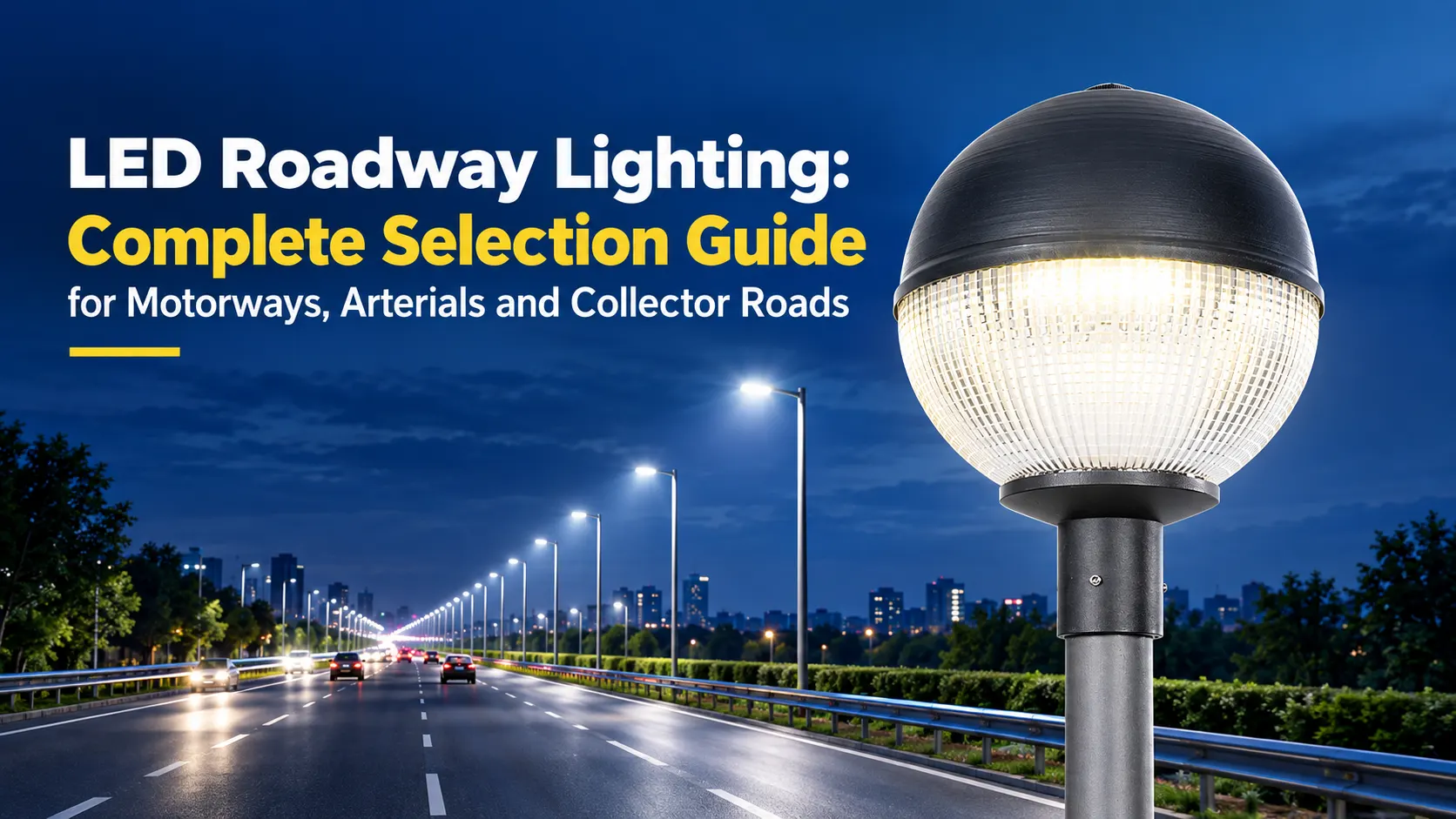

Choosing the right LED street light is essential for creating safe, energy-efficient, and reliable road lighting. However, urban and rural roads have different lighting requirements. Factors such as road width, traffic volume, pole height, installation spacing, and surrounding environments should all be considered.
For municipalities, road lighting contractors, distributors, and project buyers in Europe, understanding these differences helps ensure the right lighting solution for each project.
1. Understand the Lighting Requirements of Different Roads
The first step is to identify the type of road and its lighting requirements.
Urban roads
Urban main roads, residential streets, and commercial areas usually have higher traffic volumes and more pedestrians. Lighting should provide good visibility, consistent illumination, and effective glare control.
For these applications, LED street lights should be selected according to road classification, required illumination levels, and uniformity targets.
Rural roads
Rural roads often have less traffic, fewer streetlights, and longer distances between lighting poles. The lighting solution should provide sufficient visibility while controlling installation and energy costs.
A suitable optical distribution design is particularly important to direct light onto the road surface and minimize unnecessary light spill.

2. Choose the Appropriate LED Street Light Wattage
Wattage should be selected based on the actual lighting design rather than simply choosing the highest power.
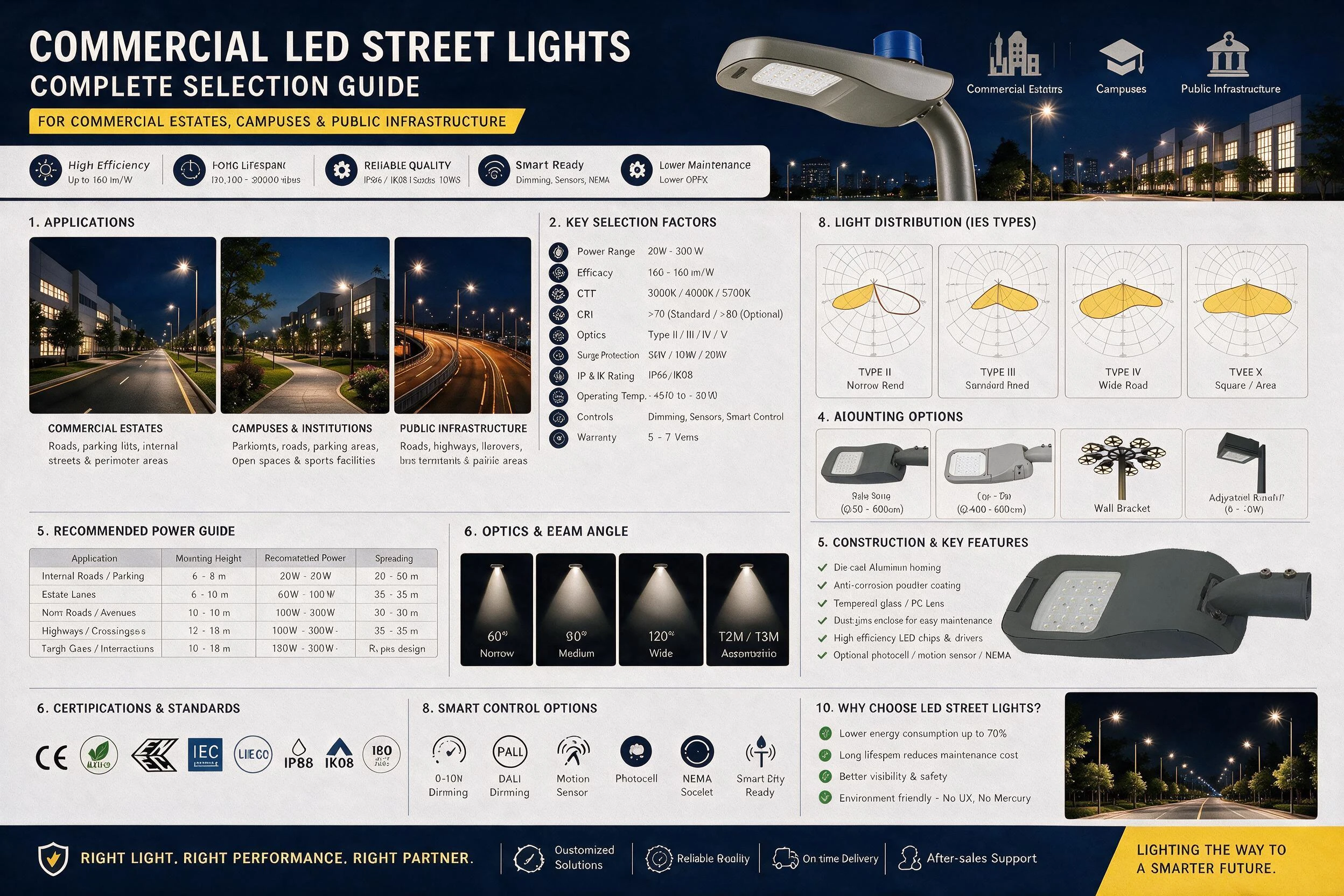
Our LED street lights are available in a power range of 30W to 300W, making them suitable for different road widths and outdoor applications.
- 30W–60W: Suitable for selected residential streets and smaller roads, depending on the lighting design.
- 60W–150W: Can be considered for urban roads, rural roads, and parking areas.
- 150W–300W: Suitable for wider roads, major road projects, and industrial areas where higher light output is required.
These are indicative application ranges. The final wattage should be determined through professional lighting calculations.
3. Check Luminous Efficacy and Energy Efficiency
Energy consumption is a major consideration for European street lighting projects. High-efficiency LED luminaires can help reduce electricity costs while maintaining the required lighting performance.
Our LED street lights deliver a luminous efficacy of 160 lm/W, providing high light output with efficient energy use.
When comparing street lights, buyers should consider not only wattage but also total lumen output, optical efficiency, lighting uniformity, and the expected operating hours.

4. Select the Right Color Temperature
Color temperature affects the appearance of outdoor lighting and the visual environment.
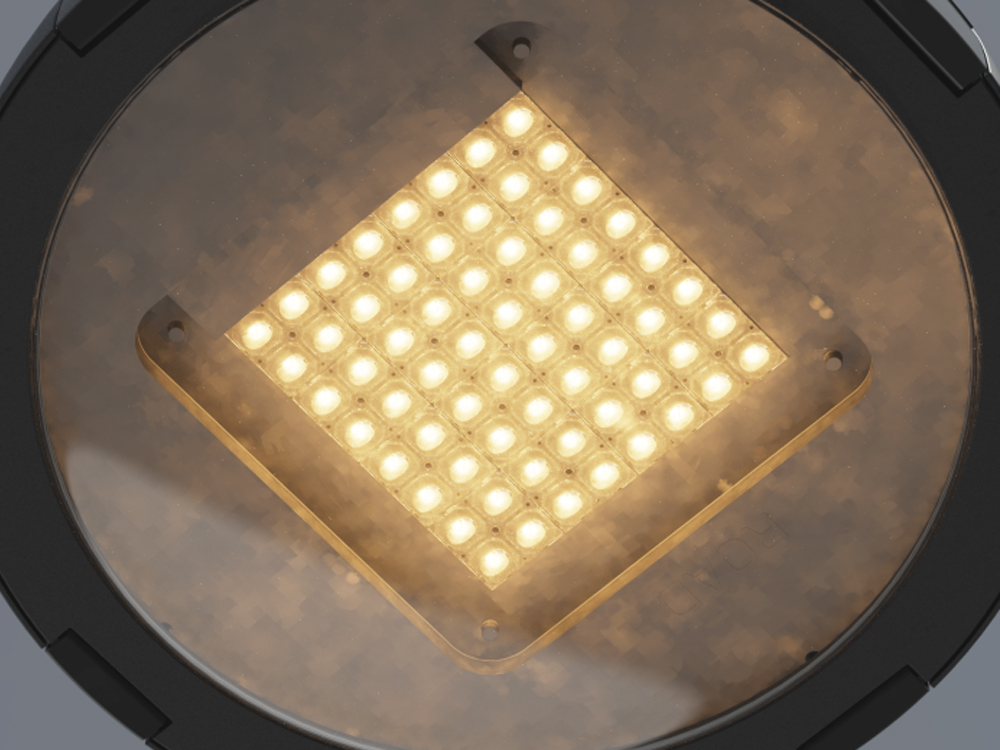
Our LED street lights support a color temperature range of 2700K–5000K, allowing project buyers to select a suitable option for different applications.
- 2700K–3000K: Suitable for residential areas and locations where warmer lighting is preferred.
- 4000K: A practical option for many urban roads, parking areas, and commercial environments.
- 5000K: Can be considered for industrial areas and logistics facilities where a cooler appearance is preferred.
The final choice should consider local requirements, surrounding environments, visual comfort, and ecological impact.
5. Consider Protection, Materials, and Surge Protection
Outdoor street lights must withstand rain, dust, temperature changes, and electrical disturbances.
When selecting a street light, pay attention to its enclosure material and protection rating.
Our luminaires feature:
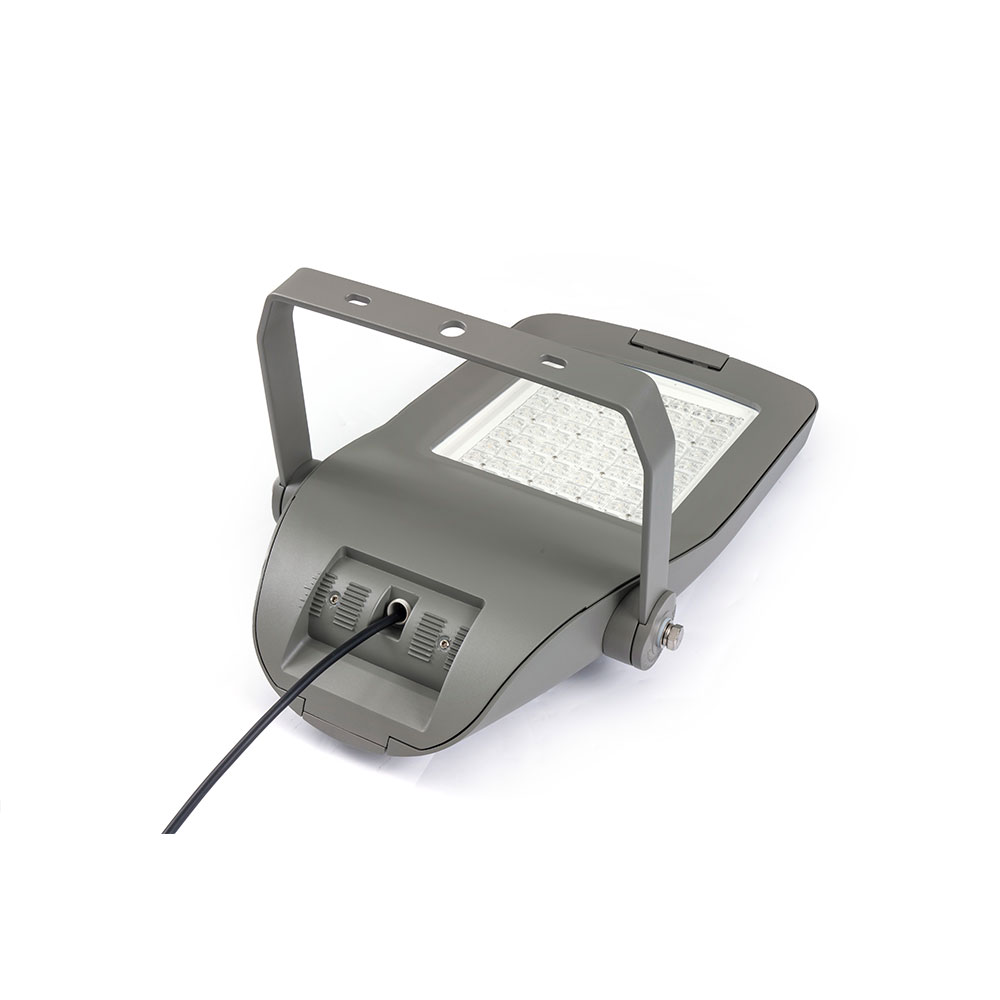
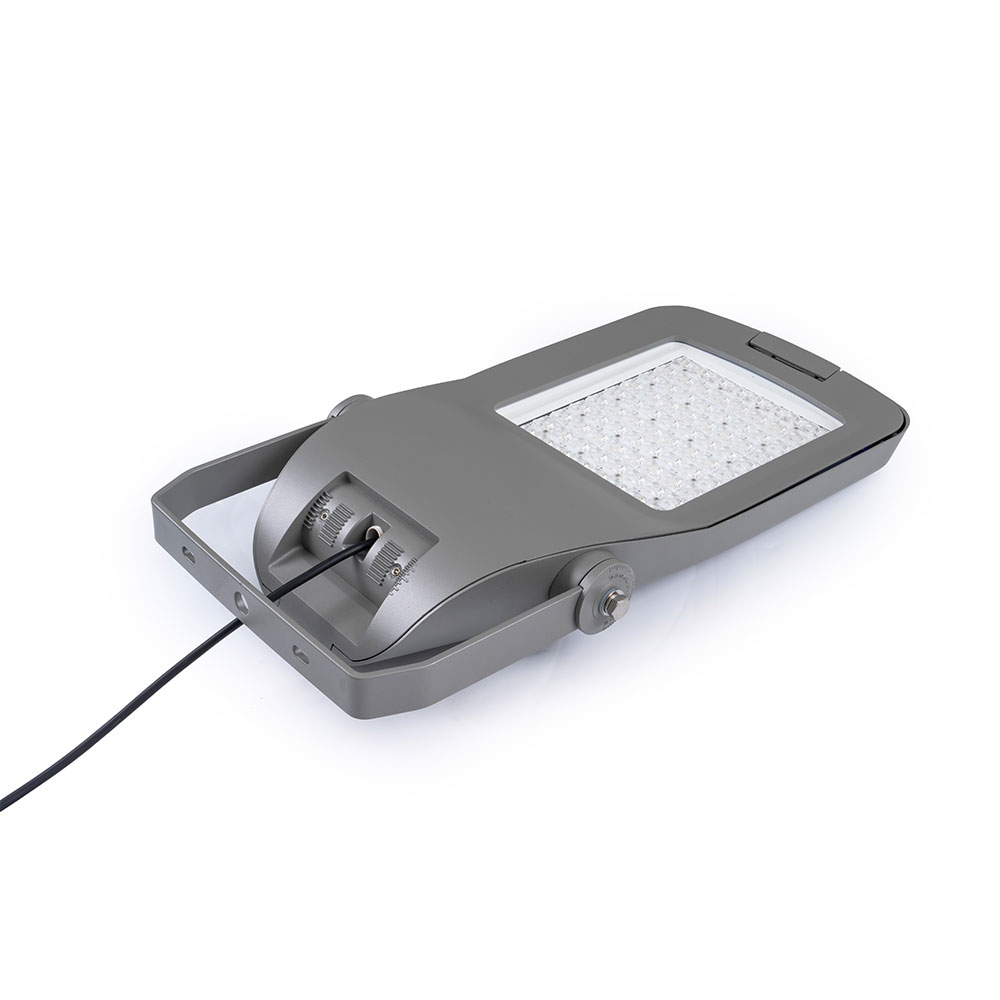
- Die-cast aluminum housing for structural strength and heat dissipation.
- IP66 protection against dust and powerful water jets.
- 10kV or 20kV surge protection options for improved electrical protection.
- AC 220–240V input, suitable for many European electrical installations.
These features support reliable outdoor operation and help reduce maintenance requirements.

6. Look for Smart Lighting Control Options
Modern street lighting projects increasingly require flexible control and energy management.
Our LED street lights support 0–10V, DALI, PWM, and photocell control. They are also available with NEMA 7-pin and Zhaga interfaces, providing options for integration with compatible smart lighting systems.
These functions can support dimming, automatic lighting control, and centralized management, depending on the control equipment selected for the project.
7. Check Installation Compatibility and Customization
Before purchasing, confirm that the luminaire is compatible with the existing lighting poles.
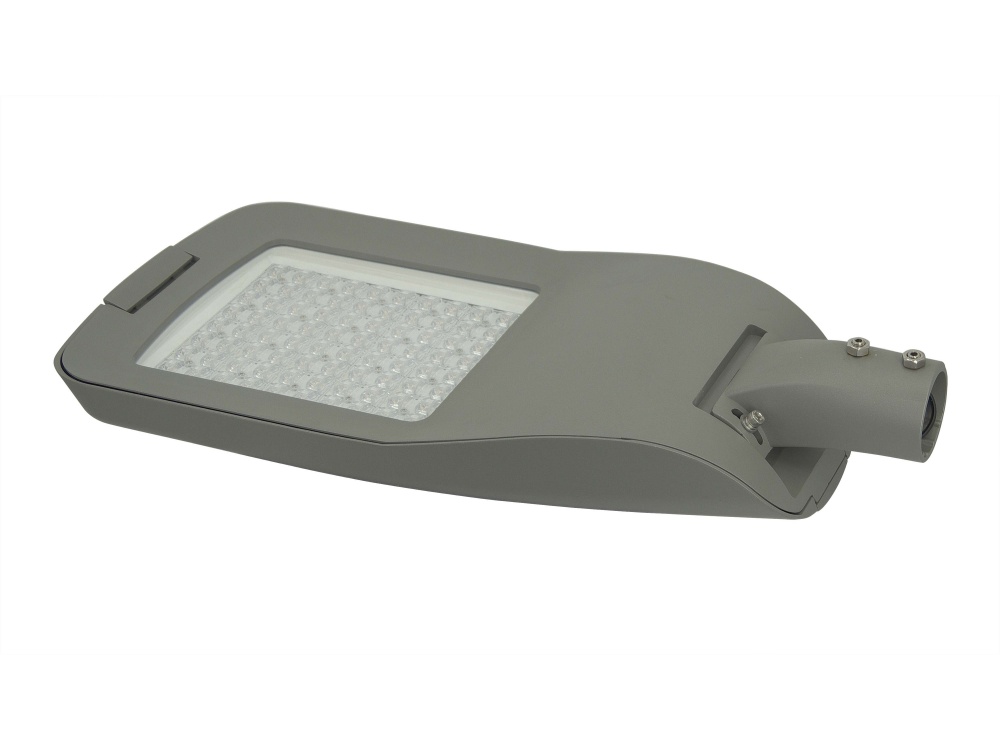
Our LED street lights support Ø60mm and Ø76mm mounting interfaces. Customized light distribution is also available to meet different road layouts and project requirements.
In addition, professional lighting design support can help project buyers evaluate pole height, pole spacing, road width, and lighting performance. DIALux simulations and IES/LDT photometric files can support project planning and verification.
8. Consider Certifications and Warranty
For European projects, buyers should check applicable regulations, technical specifications, and project documentation before selecting a supplier.
Our product information includes CE and RoHS compliance and ENEC+ certification. The luminaires also come with a 7-year warranty, helping reduce long-term maintenance concerns.
Always confirm that the specific product configuration and supporting documents meet the requirements of the intended project.
Conclusion: Choose a Street Light Based on the Project
The right street light for an urban road may not be the best choice for a rural road. Buyers should evaluate wattage, luminous efficacy, color temperature, optical distribution, protection rating, control options, and installation compatibility before making a decision.
With 30W–300W power options, 160 lm/W efficacy, IP66 protection, flexible smart control, customized light distribution, and a 7-year warranty, our LED street lights provide versatile solutions for urban roads, rural roads, highways, parking areas, and industrial applications.
For your next road lighting project, contact our team for product specifications, photometric files, and professional lighting design support.