Introduction
Roadway lighting uniformity is one of the most important factors in modern street lighting design. For urban main roads, proper lighting is not only about providing sufficient brightness but also about distributing light evenly across the road surface.
Poor lighting uniformity can create alternating bright and dark areas, making it difficult for drivers to identify obstacles, pedestrians, and other vehicles. By improving roadway lighting uniformity, municipalities and lighting engineers can create safer, more comfortable, and more efficient road lighting systems.
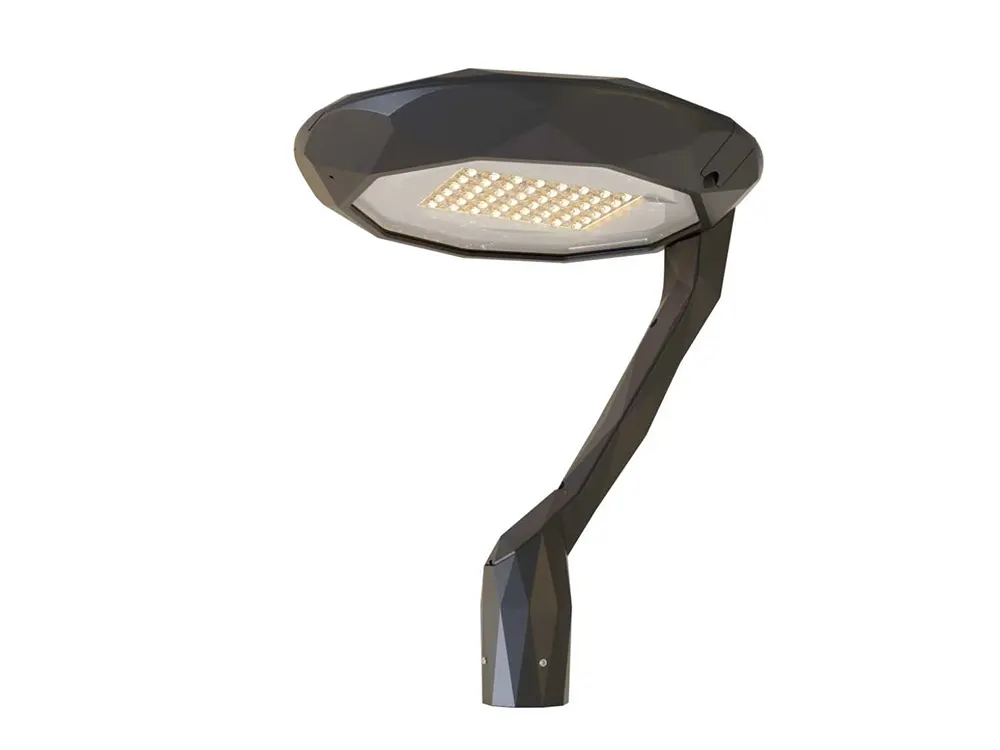
1. What Is Roadway Lighting Uniformity?
Roadway lighting uniformity refers to how evenly light is distributed across a road surface.
A well-designed lighting system minimizes significant differences between bright and dark areas, providing drivers with a consistent visual environment.
Two important parameters are commonly used to evaluate roadway lighting uniformity:
Overall Uniformity (U₀)
Overall uniformity measures the relationship between minimum and average road surface luminance.
Formula:
U₀ = Lmin / Lavg
Where:
- Lmin = Minimum road surface luminance
- Lavg = Average road surface luminance
A higher U₀ value generally indicates more uniform road surface luminance.
Longitudinal Uniformity (Uₗ)
Longitudinal uniformity measures luminance consistency along the direction of traffic within a driving lane.
It is calculated using the minimum and maximum luminance values along the relevant observation line.
Good longitudinal uniformity helps reduce distracting bright and dark patterns as drivers travel along the road.
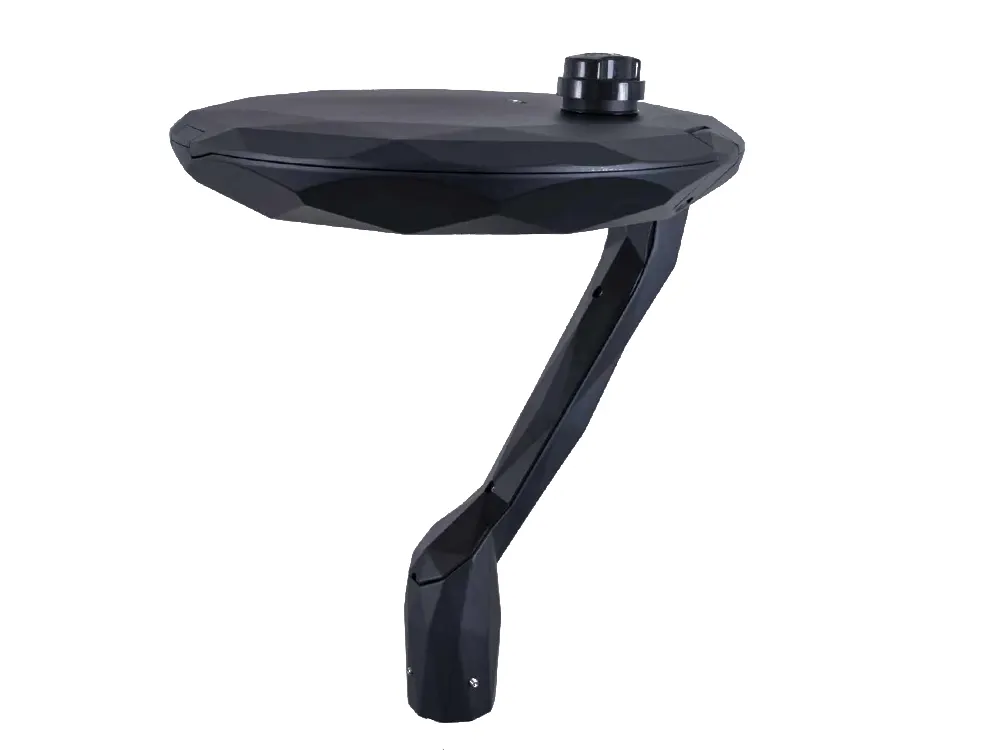
2. Why Does Roadway Lighting Uniformity Matter?
Improved Road Safety
Consistent road lighting helps drivers identify road obstacles, pedestrians, vehicles, and changes in road conditions. Reducing excessive variations in brightness can improve visual conditions, particularly at night.
Better Visual Comfort
Large differences between bright and dark areas can cause visual discomfort and make nighttime driving more challenging. Uniform lighting creates a more consistent visual environment for road users.
Reduced Glare and Dark Spots
Proper optical design helps distribute light more effectively across the road surface. It can reduce unwanted bright spots and poorly illuminated areas, although glare must also be evaluated separately.
More Efficient Energy Use
Improving light distribution can help projects achieve their required lighting performance without unnecessarily increasing installed power. This supports energy-efficient street lighting design and lower operating costs.
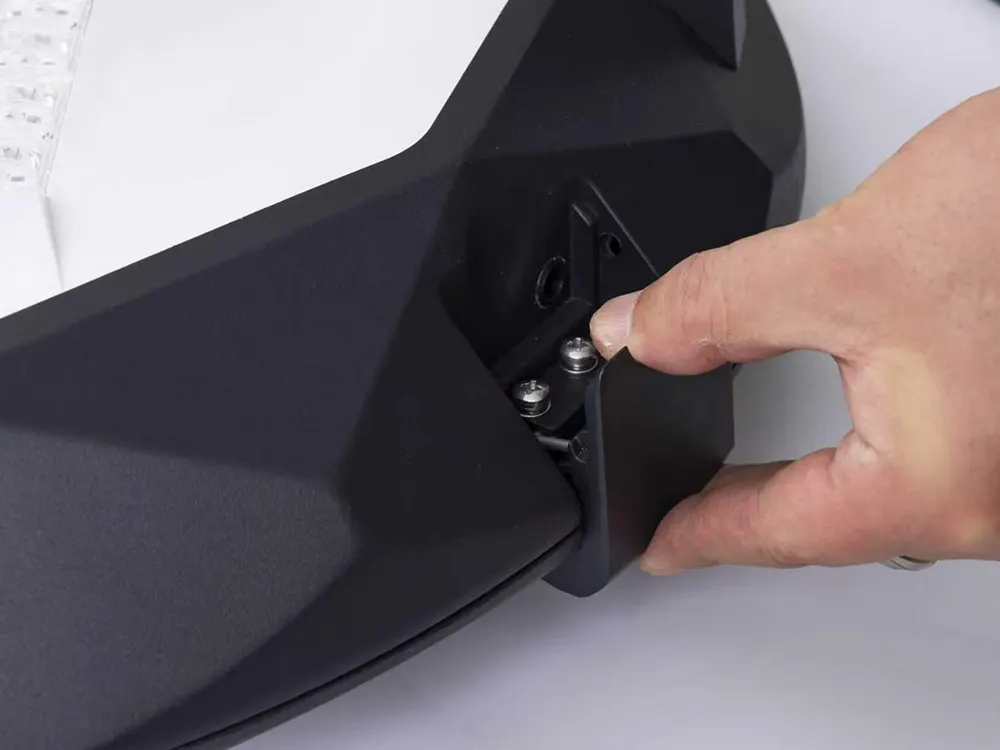
3. European Road Lighting Standard: EN 13201
For European roadway lighting projects, the EN 13201 series provides an important framework for road lighting design and performance evaluation.
EN 13201 includes different lighting classes, such as M1 to M6, for motorized traffic routes. The required lighting performance depends on the selected road class and project conditions.
Important evaluation parameters include:
- Average road surface luminance
- Overall uniformity (U₀)
- Longitudinal uniformity (Uₗ)
- Threshold increment (TI), which relates to disability glare
- Surround ratio (SR), where applicable
Lighting designers should select the appropriate lighting class based on road characteristics, traffic conditions, and applicable national requirements.
Meeting the relevant EN 13201 requirements helps ensure that roadway lighting systems are designed according to recognized European performance criteria.
4. How to Improve Roadway Lighting Uniformity
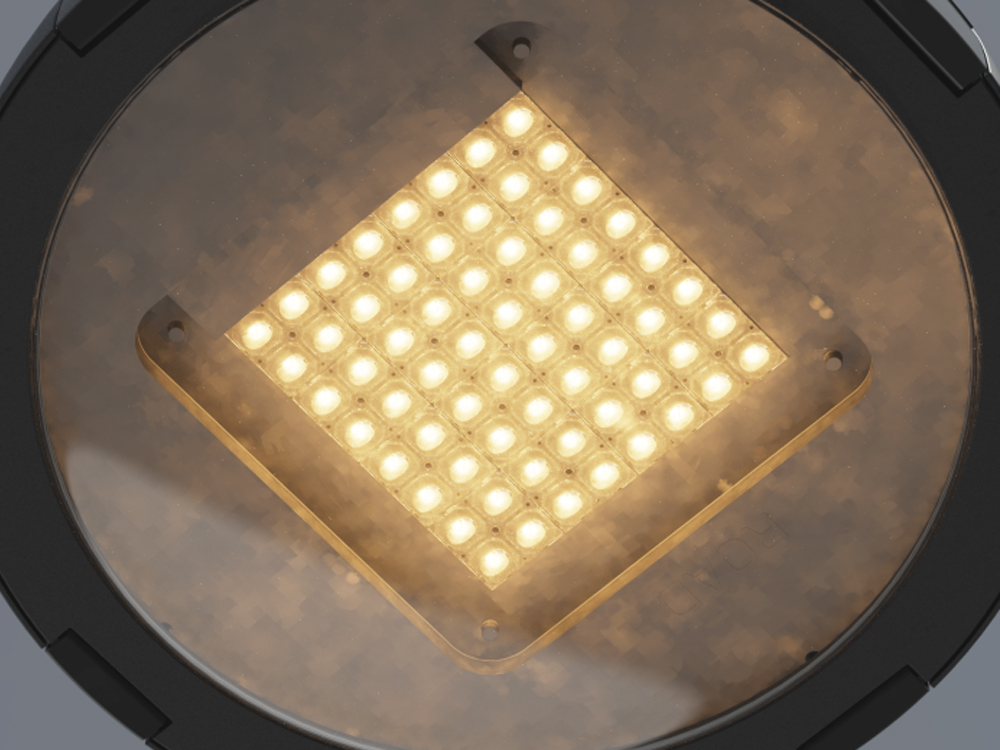
Optimizing LED optical distribution is one of the most effective ways to improve roadway lighting uniformity.
Different roads have different widths, pole heights, installation spacing, and mounting arrangements. Therefore, using the same optical configuration for every project may not deliver the desired lighting results.
A customized optical solution can help engineers:
- Distribute light more evenly across road lanes.
- Reduce excessive bright and dark areas.
- Improve overall and longitudinal uniformity.
- Adapt light distribution to different road layouts.
- Achieve required lighting performance with appropriate power consumption.
Professional lighting simulation is also essential. Using IES or LDT photometric files, engineers can simulate lighting performance in software such as DIALux and Relux before installation.
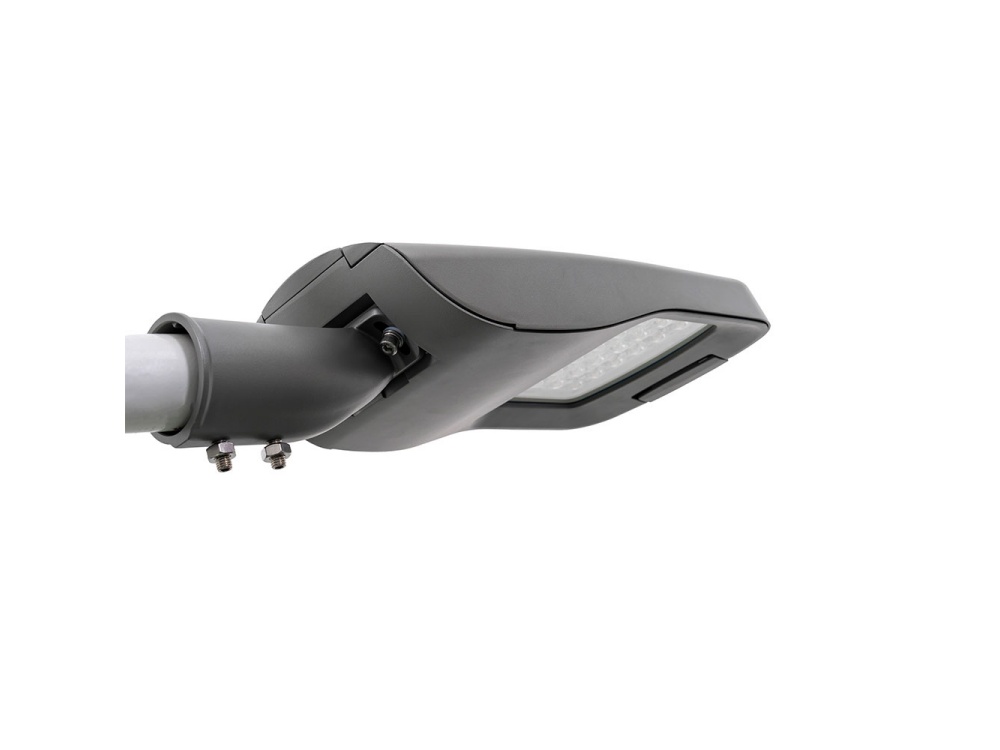
5. How Our Cobra Head LED Street Lights Support Uniform Roadway Lighting
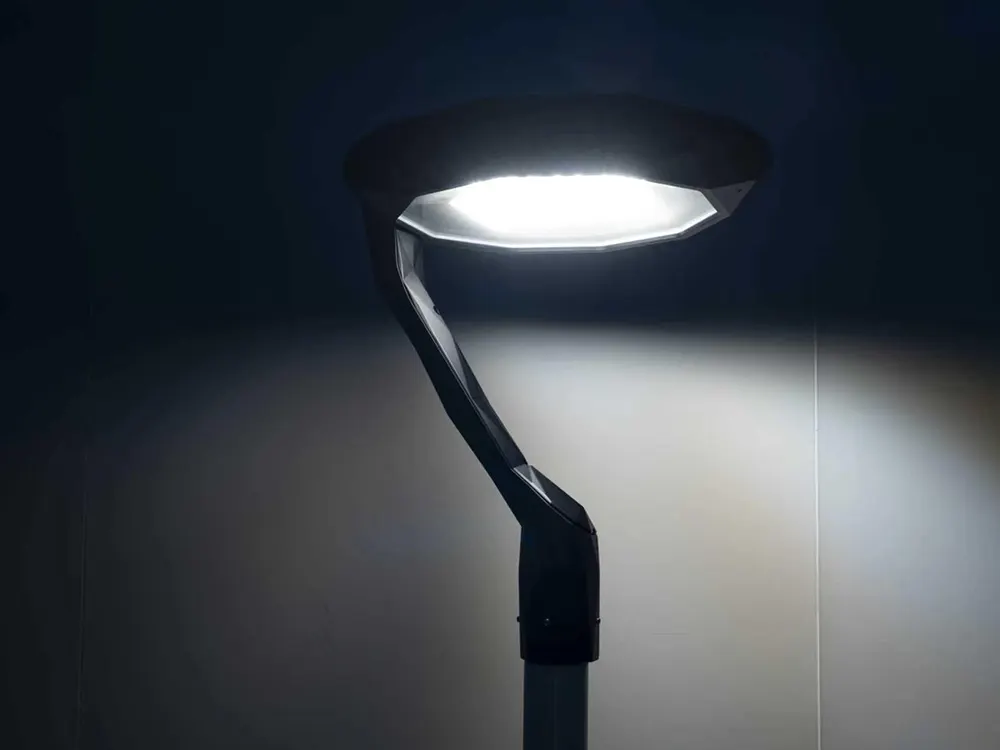
Our Cobra Head LED Street Lights are designed for outdoor roadway lighting applications, including urban main roads.
With customizable light distribution, they can be adapted to different road widths, pole heights, and installation spacing requirements.
Key product features include:
- Luminous efficacy of up to 160 lm/W
- Power options up to 120W
- Durable die-cast aluminum housing
- IP66 protection rating
- 3000K, 4000K, and 5000K color temperature options
- Customized optical distribution
- IES and LDT photometric files available
- 0–10V, DALI, and PWM dimming options
- NEMA 7-pin and Zhaga interfaces
- 10kV surge protection
- CE, RoHS, and ENEC+ certifications
- 7-year warranty
We can also assist customers with lighting scheme design and optical optimization based on project parameters, including road width, pole height, pole spacing, and installation configuration.
This helps lighting engineers evaluate the proposed solution and optimize roadway lighting performance before installation.
Conclusion
Roadway lighting uniformity is essential for safe, comfortable, and efficient urban road lighting. By understanding overall uniformity (U₀), longitudinal uniformity (Uₗ), and the requirements of EN 13201, project designers can make better decisions when selecting LED street lighting solutions.
Optimized optical distribution, professional lighting simulation, and customized LED street lights all contribute to achieving the desired lighting performance.
Looking for LED street lights with customized optical solutions for your next roadway project? Contact us to discuss your lighting requirements and receive suitable photometric files and lighting design support.