Why an Incomplete LED Street Luminaire Specification Creates Project Risk
A weak luminaire specification can create problems long after tender submission. Underspecified housing, inadequate thermal management, incompatible drivers, poor surge protection, or missing test documentation may result in premature failures, rejected samples, and unexpected maintenance costs. These risks become especially serious when multiple suppliers offer similar wattages at different prices. For engineers and tender specifiers, the solution is to define measurable construction, electrical, environmental, performance, and documentation requirements before comparing quotations.
A reliable LED street luminaire specification should define housing and thermal design, tool-less serviceability, driver and surge protection, dimming, IP and IK ratings, corrosion and temperature requirements, plus LM-79 and TM-21 documentation where applicable. Luxific supports project-oriented configurations and technical documentation to help engineers compare products beyond purchase price.
1. Housing, Thermal Design and Tool-Less Serviceability

The housing is the first line of protection for the LED system, while thermal management directly influences long-term performance. A tender specification should therefore evaluate mechanical construction together with heat dissipation and maintenance access rather than focusing only on LED power and lumen output.
Housing Requirements to Specify
- Housing material and construction method
- Corrosion resistance suitable for the installation environment
- Mechanical protection requirements
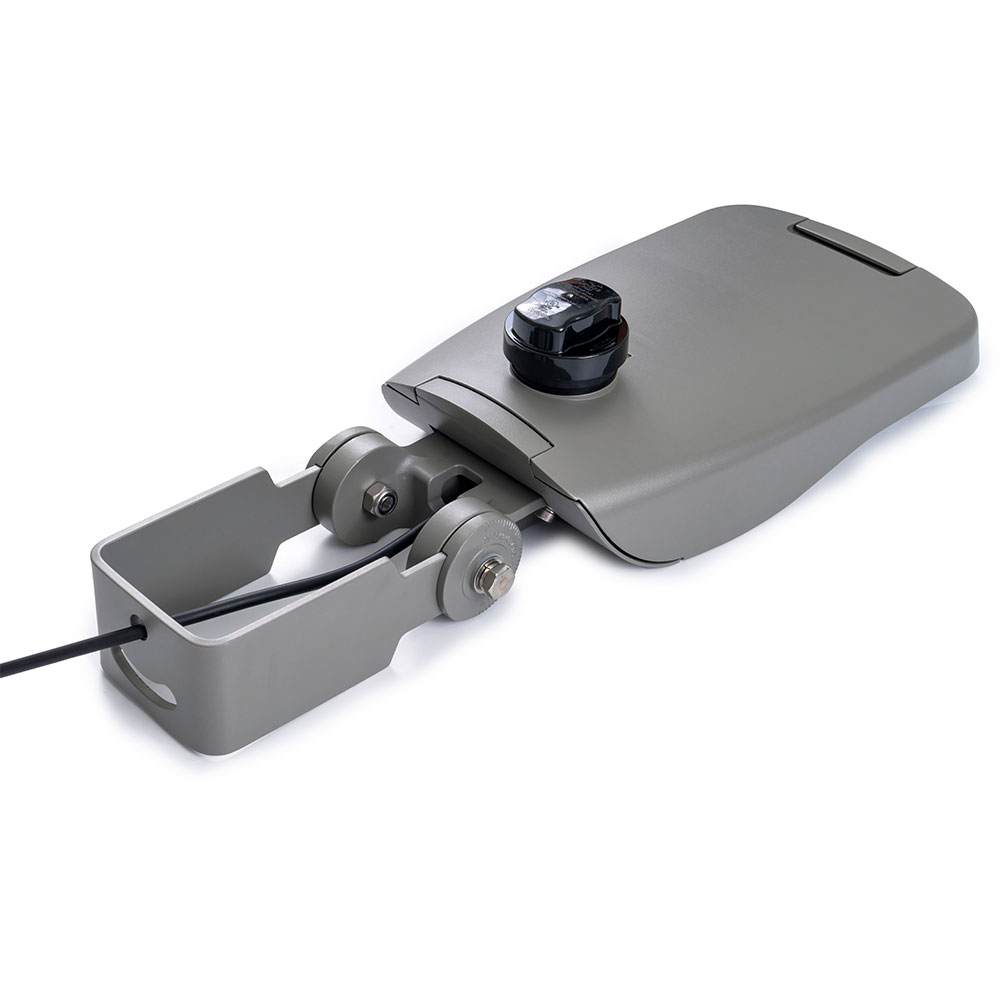
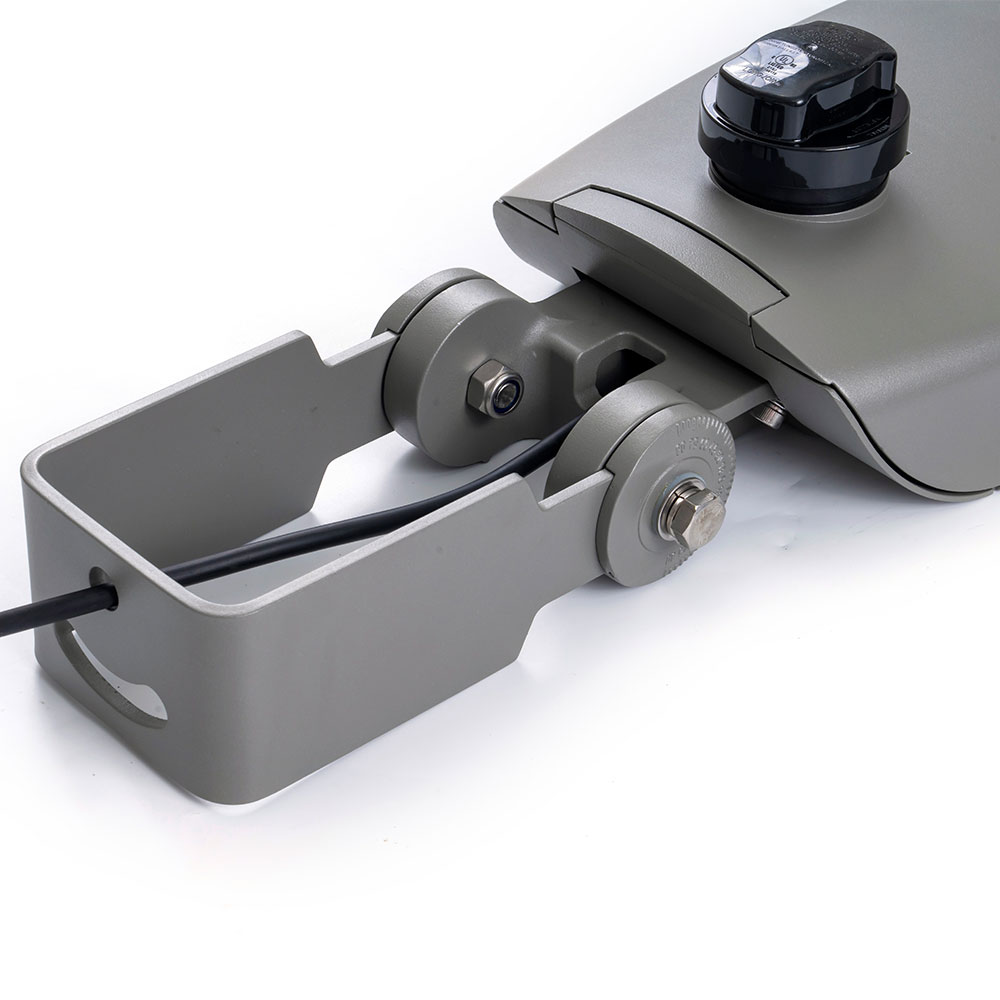
- Mounting interface and adjustment capability
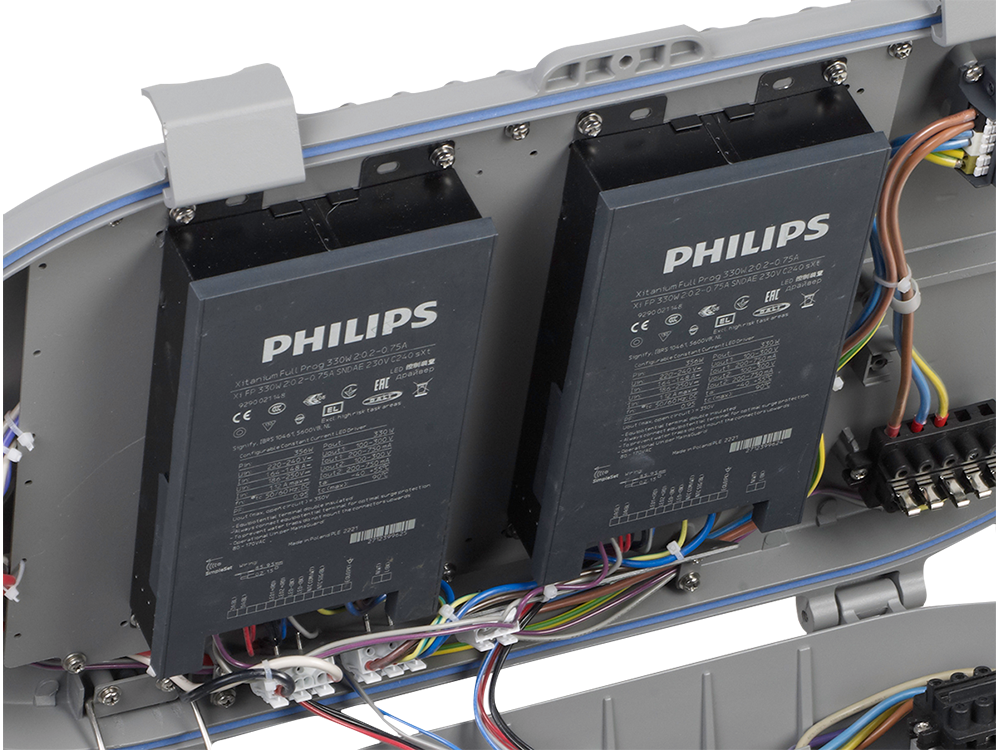
- Access to driver and electrical components
- Sealing method and gasket construction
- Compatibility with the proposed pole or arm
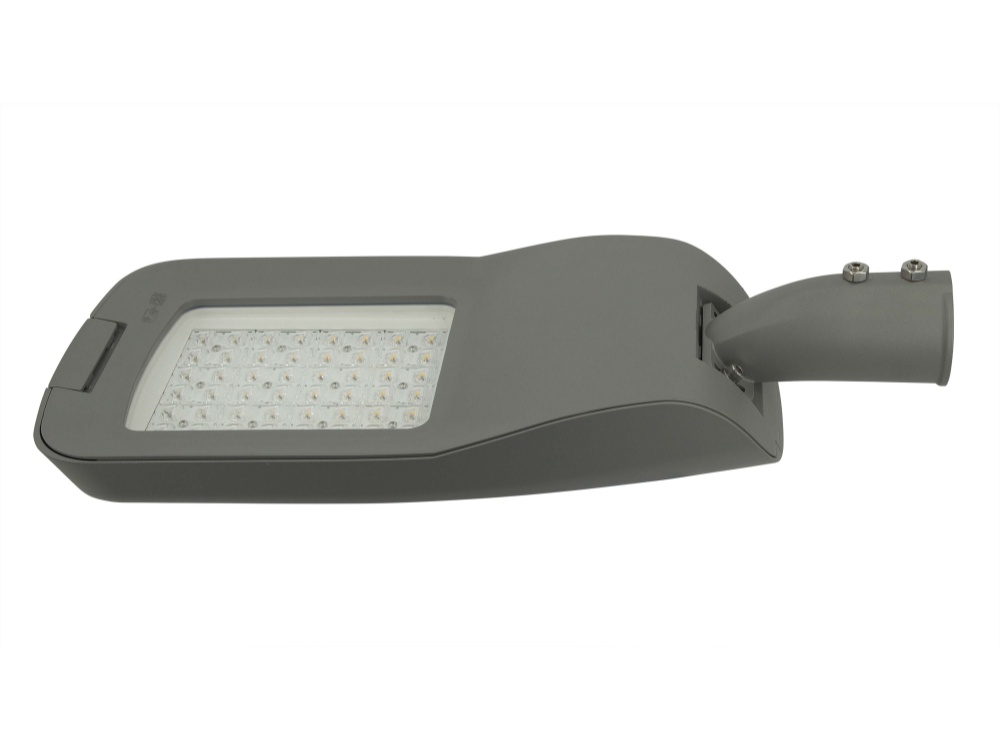
Luxific street luminaire designs use die-cast aluminum housing on specified models, with modular construction intended to support practical installation and maintenance. Exact material, dimensions, coating, and configuration should be confirmed against the selected model and tender requirement.
Thermal Management Matters
LED performance is closely related to operating temperature. A well-designed housing should provide an effective thermal path from the LED system to the external environment. Engineers should review thermal design information together with the expected ambient temperature rather than accepting a generic operating claim.
Serviceability Checklist
- Confirm whether the LED module and driver are accessible without unnecessary disassembly.
- Check whether maintenance can be performed safely at the installation location.
- Confirm spare component availability and replacement procedures.
- Review the expected maintenance interval and warranty conditions.
- Verify whether the proposed construction supports the project maintenance strategy.
For municipalities and infrastructure contractors, serviceability can directly affect lifecycle cost. A slightly higher initial purchase price may be commercially sensible when it reduces future labor, access equipment, replacement, and traffic-management costs.
2. Define Driver, Surge and Dimming Requirements
The LED driver is a critical part of the luminaire specification. Engineers should define input conditions, power factor, protection, control requirements, and compatibility before evaluating supplier quotations. A luminaire should be assessed as a complete electrical system rather than simply as an LED and housing.
Driver Specification Checklist
- Rated input voltage and frequency
- Operating power and allowable tolerance
- Power factor requirements
- Driver efficiency where required by the project
- Protection against abnormal operating conditions
- Driver accessibility and replacement method
- Compatibility with the selected control system
Specified Luxific street luminaire models include power factor performance of PF ≥ 0.95 and multiple control configurations. The exact value should be confirmed for the quoted model rather than assumed across the entire product range.
Surge Protection
Outdoor road lighting is exposed to electrical disturbances and lightning-related surges. The tender should clearly define the required surge protection level and whether the requirement applies to line-to-line, line-to-ground, or the complete luminaire system.
Luxific documentation identifies 10KV and 10KA surge protection options for specified configurations. Engineers should request the applicable test evidence and confirm that the protection specification matches the electrical environment and local tender requirements.
Dimming and Smart Controls
Modern road lighting projects increasingly require flexible control rather than simple on and off operation. Depending on the configuration, Luxific documentation includes options such as DALI, 0-10V, Astro Dim, Step Dim, photocells, NEMA, and Zhaga.
| Requirement | Specification Question | Procurement Check |
|---|---|---|
| Driver | Does the driver match the project voltage and control system? | Request exact driver model and datasheet |
| Surge protection | What protection level is required? | Verify test documentation |
| Dimming | Is DALI, 0-10V, Step Dim or another system required? | Confirm compatibility before approval |
| Smart readiness | Are NEMA or Zhaga interfaces required? | Confirm the exact luminaire configuration |
3. Specify IP, IK, Corrosion and Operating Temperature

Road luminaires operate outdoors for many years under rain, dust, temperature changes, pollution, and mechanical exposure. Environmental specifications should therefore be written as project requirements, not treated as optional catalogue features.
IP and IK Protection
- Define the minimum ingress protection required for the complete luminaire.
- Define mechanical impact protection according to the installation environment.
- Confirm that the ratings apply to the complete tested configuration.
- Review sealing and cable-entry arrangements.
Specified Luxific street luminaire models include IP66 and IK09 protection. These ratings should be checked against the exact model, configuration, and applicable project standard before tender approval.
Corrosion and Environmental Conditions
Coastal roads, industrial zones, ports, and areas exposed to de-icing chemicals can impose different corrosion risks. The specification should identify the actual environment and define appropriate housing treatment, coating, materials, and testing where required.
Operating Temperature
Temperature requirements should reflect the real installation location. Engineers should consider maximum and minimum ambient temperature, solar exposure, installation height, enclosure design, and driver operating limits.
- Identify the project climate and environmental exposure.
- Define the required ambient operating range.
- Check housing and driver suitability.
- Confirm IP, IK, and corrosion requirements.
- Request supporting technical documents for the final configuration.
4. Require LM-79, TM-21 and Complete Tender Documentation
A technically attractive luminaire is not enough if the supporting documentation is incomplete. Tender evaluation should require evidence that allows engineers to compare performance, reliability, and compliance on an equivalent basis.
LM-79 and Photometric Evidence
LM-79 testing can provide electrical and photometric performance information for solid-state lighting products. When a tender requires LM-79 documentation, the engineer should confirm that the report corresponds to the relevant product configuration and performance claims.
TM-21 and LED Lifetime Evaluation
TM-21 is associated with the projection of LED lumen maintenance based on appropriate test data. It should not be treated as a simple guarantee of complete luminaire lifetime. Engineers should distinguish LED lumen maintenance data from the service life of the complete luminaire, including the driver, housing, seals, and other components.
Tender Documentation Checklist
- Product datasheet
- IES or LDT photometric file where required
- LM-79 report where applicable
- TM-21 documentation where applicable
- Electrical and driver datasheets
- IP and IK test evidence
- Surge protection information
- Applicable market certifications
- Installation and maintenance instructions
- Warranty terms
- Quality control and factory information
Luxific documentation for specified street luminaire models references certifications and testing including CE, CB, ENEC, EMC, TM21, LM79, and IEC 62471. Factory-level certifications referenced in company materials include ISO 9001, ISO 14001, and ISO 50001. Engineers should verify the current certificates and their exact scope before using them as tender compliance evidence.
| Specification Area | Minimum Information to Request | Reason for Verification |
|---|---|---|
| Mechanical | Dimensions, material, mounting and adjustment | Installation compatibility |
| Electrical | Driver, input range, power factor and surge protection | Electrical reliability and compliance |
| Environmental | IP, IK, corrosion and temperature data | Outdoor durability |
| Photometric | IES or LDT and test data | Lighting calculation and tender validation |
| Compliance | Certificates and test reports | Market and project acceptance |
| Commercial | Warranty, lead time and maintenance support | Lifecycle and delivery risk |
5. Turn the Specification Into a Comparable Supplier Evaluation
A good specification should make competing quotations easier to compare. Whether buying directly from a Manufacturer, working with a Supplier, or sourcing through a Wholesaler, engineers should avoid comparing products solely by wattage and unit price.
Use a Compliance Matrix
- Define every mandatory technical requirement.
- Separate mandatory criteria from preferred features.
- Request evidence for each compliance claim.
- Check whether the submitted product configuration matches the documents.
- Identify deviations before commercial evaluation.
- Compare warranty, lead time, maintenance, and lifecycle cost.
When Customizable, OEM and ODM Solutions Are Appropriate
Projects with unusual mounting requirements, specific optical needs, branding requirements, or private-label programs may benefit from Customizable solutions. Luxific provides OEM and ODM project support covering areas such as technical design, prototyping, quality control, packaging, and logistics. These capabilities can be relevant to infrastructure contractors, lighting integrators, and Wholesaler programs with defined project requirements.
Submit Your Project Requirements for Selection and Quotation
Send your road dimensions, pole height, target illuminance, quantity, required market certifications, and delivery time. Luxific can review the specification and recommend a suitable LED street luminaire configuration for technical evaluation and quotation.