Choosing the right street light pole height is essential for village road lighting projects. The poles should provide sufficient illumination while keeping installation costs reasonable and adapting to local road conditions
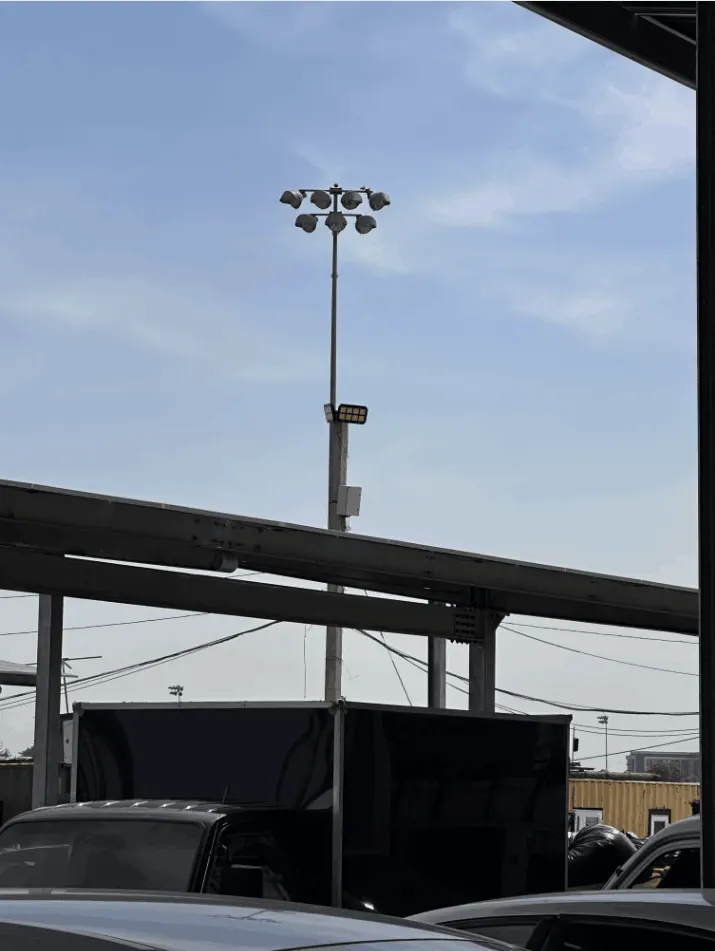
For village roads in South American markets, 6–8 meter street light poles can be a practical choice for roads approximately 4–6 meters wide.
1. Recommended Street Light Pole Height
For village roads with a width of 4–6 meters, 6–8 meter street light poles are a suitable configuration to consider.
This height can balance lighting requirements, project budgets, and surrounding environmental conditions. It is also important to consider nearby buildings, trees, and overhead cables when determining the installation position.
The final pole height should be verified according to the actual lighting requirements and site conditions.
2. Suitable LED Street Light Wattage
For 6–8 meter poles, 60–80W LED street lights are a practical option for village road lighting.
LED street lights offer energy-efficient illumination and help reduce electricity consumption. However, wattage is not the only factor affecting lighting performance. Lumen output, light distribution, and road width should also be considered.
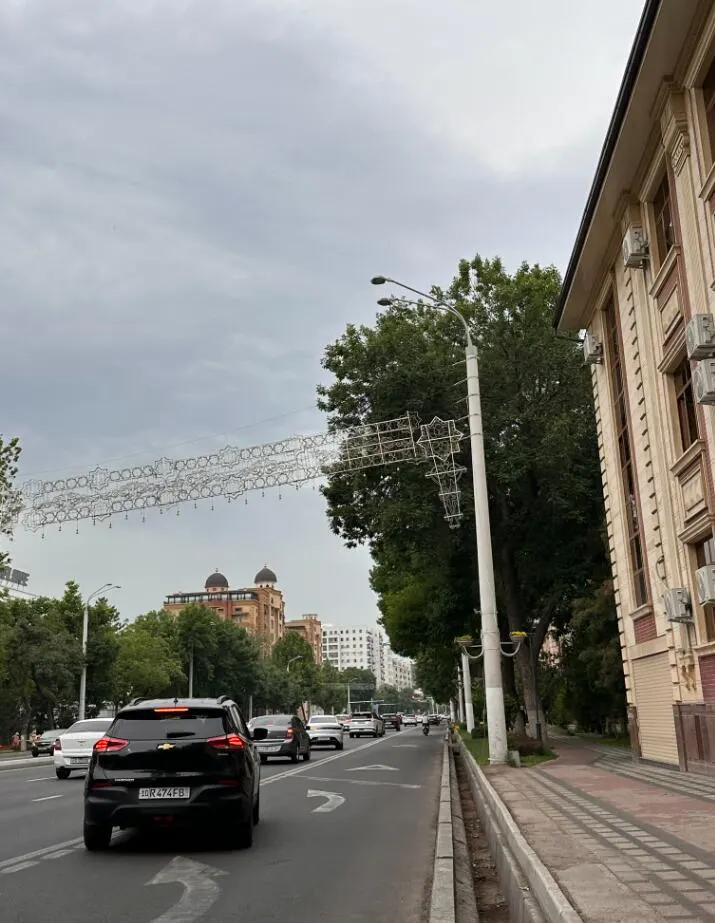
3. Recommended Street Light Pole Spacing
For the configuration discussed here, the typical street light pole spacing is approximately 15 meters.
Proper spacing helps provide more consistent road illumination and reduce dark areas between poles.
However, the final spacing should be determined through professional lighting calculations based on the LED fixture’s optical performance and required illumination levels.
4. Single-Sided Street Lighting Layout
Single-sided installation is a practical option for many narrow village roads.
By installing poles along one side of the road, projects may reduce the number of poles, simplify cable installation, and control construction costs.
For roads approximately 4–6 meters wide, this layout can be considered alongside 6–8 meter poles and 60–80W LED fixtures. Lighting uniformity should still be checked before installation.
5. Why Choose Aluminum Alloy Street Light Poles?
Aluminum alloy street light poles offer two important advantages for village road projects.
Good Corrosion Resistance
Aluminum alloy has natural corrosion resistance and does not rust like ordinary carbon steel. This makes it suitable for outdoor lighting applications exposed to rain and humidity.
Lightweight and Easy to Install
Aluminum alloy poles are relatively lightweight, making transportation, handling, and on-site installation more convenient. This can be particularly useful for projects in rural areas.

6. Practical Village Road Lighting Configuration
The following table summarizes a practical configuration for village road lighting projects:
ParameterConfigurationRoad width4–6 metersPole height6–8 metersLED light wattage60–80WPole spacingApproximately 15 metersInstallation layoutSingle-sidedPower supplyGrid-poweredPole materialAluminum alloy
These parameters are project references, not universal engineering standards. Final specifications should follow local regulations and professional lighting calculations.
7. Frequently Asked Questions
What is the recommended pole height for village roads?
For roads approximately 4–6 meters wide, 6–8 meter poles are a practical option.
What LED wattage is suitable for 6–8 meter poles?
60–80W LED street lights can be considered, depending on lumen output and lighting requirements.
How far apart should village road street light poles be?
Approximately 15 meters can serve as a starting point. Actual spacing should be verified through lighting calculations.
Are aluminum alloy poles suitable for village roads?
Yes. Their corrosion resistance and lightweight construction make them suitable for many outdoor road lighting applications.
Conclusion
For village roads approximately 4–6 meters wide, 6–8 meter aluminum alloy street light poles, paired with 60–80W LED street lights and approximately 15-meter spacing, can provide a practical starting configuration.
With single-sided installation and grid-powered lighting, this solution can help balance illumination requirements, installation convenience, and project budgets. The final design should always be adapted to actual site conditions.