Why Incomplete Street Light Specifications Create Project Risk
Municipal street lighting projects can face costly delays when specifications focus on wattage and price while overlooking housing design, thermal performance, surge protection, dimming, ingress protection, corrosion resistance, and test documentation. These gaps can lead to unsuitable products, difficult maintenance, failed tender requirements, or inconsistent field performance. A clear specification checklist helps cities, utilities, and contractors compare suppliers objectively, reduce technical uncertainty, and select LED street lights that fit the operating environment and long-term maintenance strategy.
A strong municipal street light specification should define housing and serviceability, driver and surge protection, dimming, IP and IK ratings, corrosion and temperature requirements, and LM-79 or TM-21 documentation. Luxific supports project-oriented LED lighting selection, OEM and ODM customization, technical design, and certification documentation.
1. Housing, Thermal Design and Tool-Less Serviceability
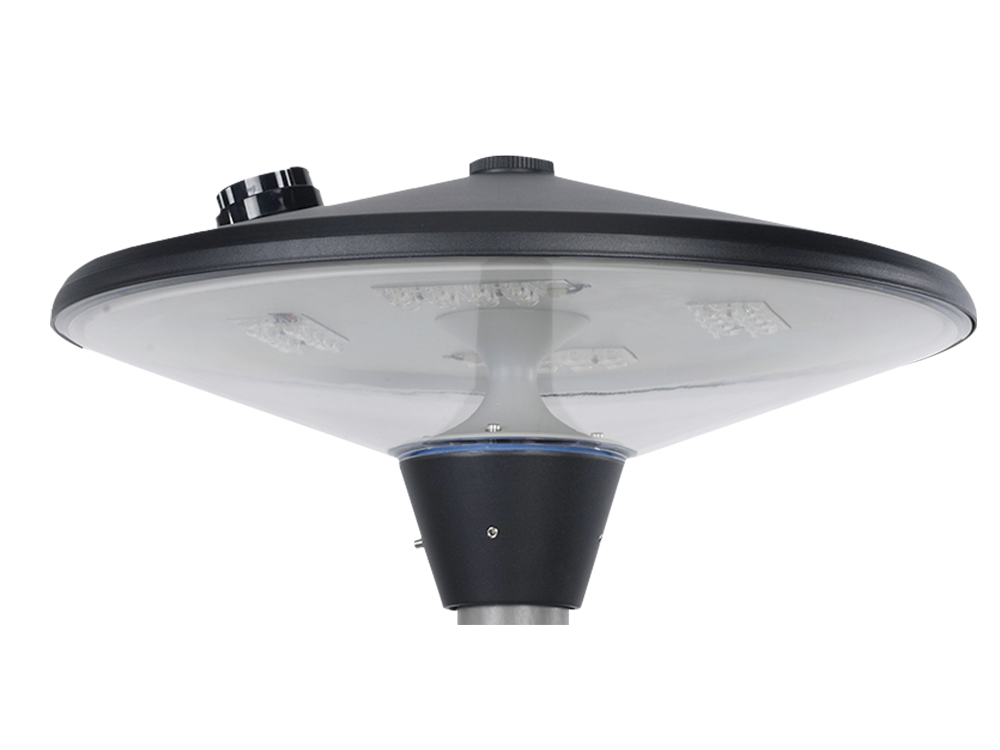
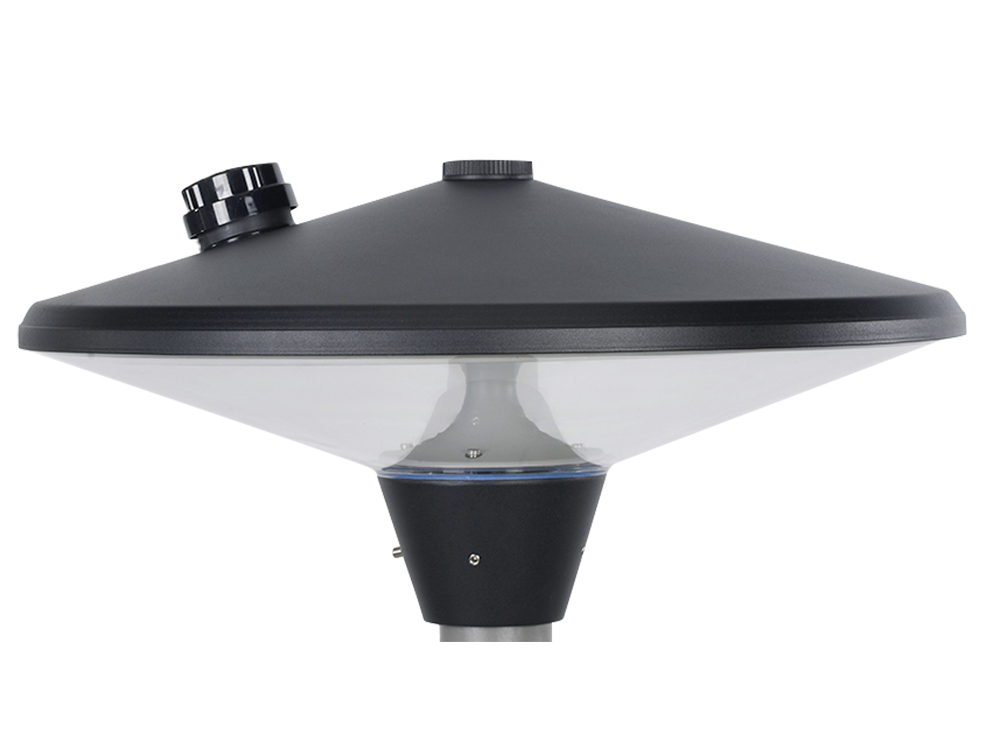
The luminaire housing protects critical electrical and optical components from weather, dust, heat, vibration, and mechanical impact. For municipal buyers, housing specifications should therefore address material, heat dissipation, sealing, maintenance access, and expected operating conditions rather than focusing only on appearance.
Define Housing Requirements
- Specify the required housing material and surface treatment according to the installation environment.
- Check whether the housing provides effective heat dissipation for the LED and driver.
- Confirm sealing design and gasket quality for outdoor exposure.
- Define mechanical requirements for the mounting interface and adjustment system.
- Consider access to internal components during inspection and maintenance.
Luxific states that its customizable products can use materials including ABS engineering plastic, PC, powder-coated steel, and stainless steel, with customization available for dimensions, color, branding, and packaging.
Make Maintenance Part of the Specification
For utility operators managing large lighting networks, maintenance time can become a major operating cost. Tool-less or simplified access can help maintenance teams inspect and replace components more efficiently, provided the design also maintains appropriate protection against environmental exposure.
| Specification Area | What Buyers Should Define | Why It Matters |
|---|---|---|
| Housing | Material, coating, dimensions and mounting interface | Mechanical durability and project compatibility |
| Thermal design | Heat dissipation and operating temperature | Supports stable LED and driver operation |
| Serviceability | Access method and component replacement | Can reduce maintenance complexity |
| Sealing | Gasket and enclosure protection | Helps protect internal components |
2. Driver, Surge Protection and Dimming Requirements
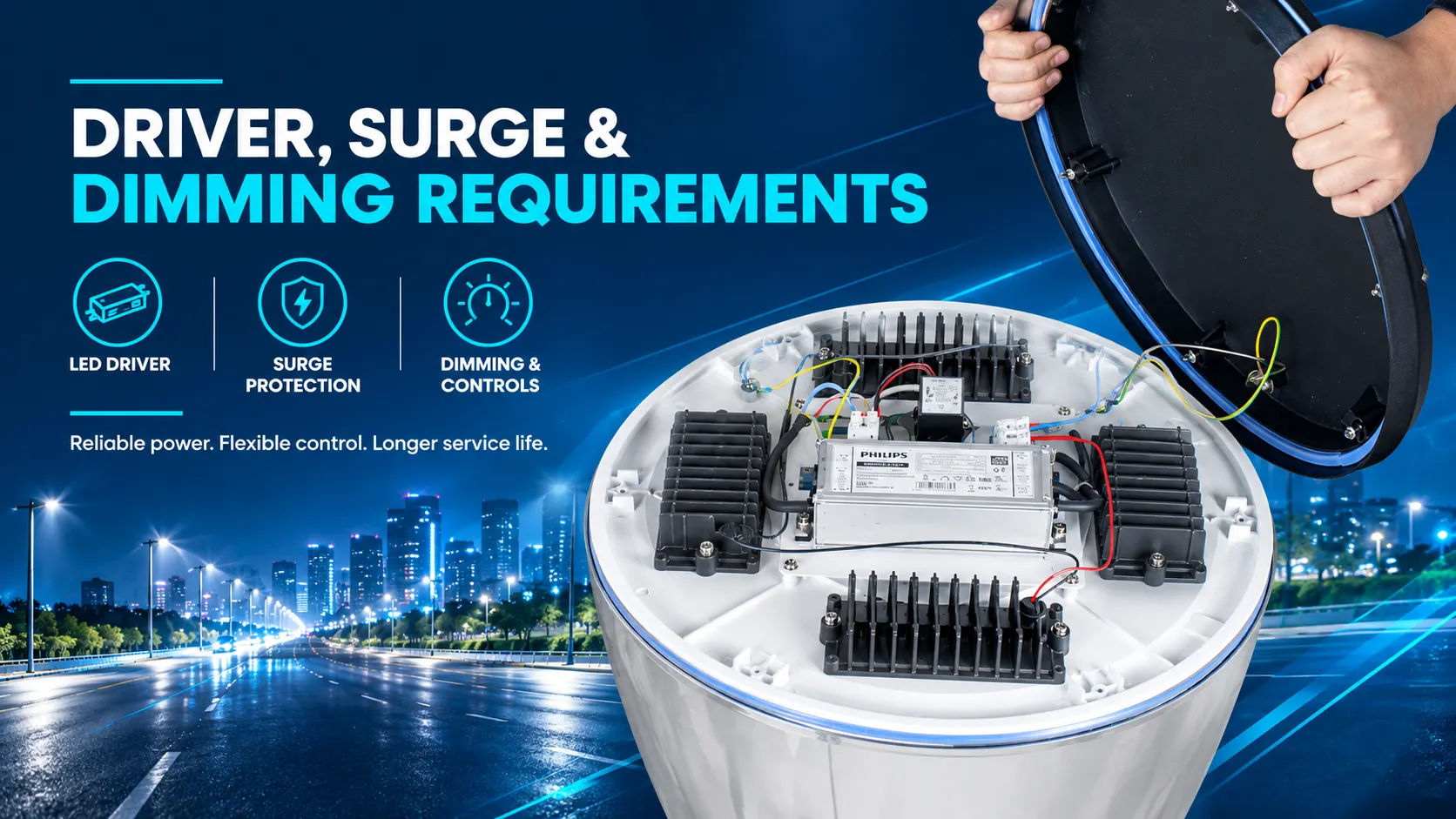
The driver is a critical part of an LED street light system. A municipal specification should clearly identify electrical input requirements, driver performance, surge protection, dimming expectations, and control compatibility before suppliers submit quotations.
Driver Requirements
- Define the required input voltage and frequency range.
- Specify power factor and other applicable electrical performance requirements.
- Identify the required driver brand or acceptable equivalent when the tender requires it.
- Clarify whether programmable output or adjustable power is required.
- Specify expected dimming interfaces and control compatibility.
Surge Protection for Outdoor Networks
Street lights are installed in exposed environments where electrical disturbances can affect electronic components. The tender should clearly state the required surge protection level and testing basis rather than leaving the requirement open to interpretation.
Dimming and Smart Control
Dimming can help cities reduce energy consumption during periods of lower traffic, but the control architecture should be specified before procurement. Buyers should clarify whether the project requires scheduled dimming, external control, smart-city integration, or another defined interface.
- Define the normal operating power.
- Define the dimming schedule or control strategy.
- Identify the required control interface.
- Confirm driver compatibility with the proposed control system.
- Request supporting technical documentation before approval.
3. IP, IK, Corrosion and Operating Temperature

Environmental requirements should reflect the actual installation location. A street light installed in a dry inland city does not face the same conditions as one installed near a coastline, industrial zone, desert, or area with extreme temperature variation.
Ingress and Impact Protection
IP and IK requirements should be explicitly included in the specification. IP requirements address protection against ingress, while IK ratings address resistance to mechanical impact. The appropriate level should be determined by the project environment and applicable standard.
- Define the minimum IP requirement for the complete luminaire or relevant enclosure.
- Specify the required IK level based on the installation environment.
- Confirm whether testing documentation is required with the tender submission.
- Ensure the stated rating applies to the actual proposed product configuration.
Corrosion Resistance
Corrosion protection becomes especially important for coastal roads, ports, industrial districts, and locations with aggressive atmospheric conditions. Specifications should identify the expected environment and coating or material requirements rather than using a generic statement such as outdoor use.
Operating Temperature
Municipal buyers should specify the expected ambient temperature range and verify that the complete luminaire, including the driver, is suitable for those conditions. Thermal design, component selection, and enclosure construction should be considered together.
| Environmental Factor | Specification Question | Procurement Check |
|---|---|---|
| Water and dust | What IP protection is required? | Request relevant test documentation |
| Mechanical impact | What IK level is appropriate? | Verify the stated rating |
| Corrosion | Is the location coastal or industrial? | Define material and coating requirements |
| Temperature | What ambient range is expected? | Check complete system suitability |
4. LM-79, TM-21 and Tender Documentation
Technical documents should allow a city, utility operator, EPC contractor, or lighting integrator to verify what is actually being offered. Clear documentation also reduces communication problems between the Manufacturer, Supplier, Wholesaler, consultant, and project owner.
Separate Product Evidence from Marketing Claims
A professional tender package should identify the specific product model, electrical configuration, optical configuration, test information, and applicable certifications. Buyers should avoid accepting generic certificates that do not clearly correspond to the proposed luminaire or configuration.
Luxific describes its products and factory capabilities with international certifications and testing documentation, including ISO 9001, CE, RoHS, CB, LM79, TM21, and other product-specific standards or reports. The exact documentation should be matched to the model and market requirements for each project.
Build a Tender Documentation Checklist
- Confirm the exact luminaire model and configuration.
- Request the product datasheet and electrical specifications.
- Request applicable LM-79 documentation where required.
- Review TM-21 information when long-term LED lumen maintenance is part of the specification.
- Verify relevant CE, CB, RoHS, or other market-specific certification requirements.
- Check photometric files and optical information.
- Confirm warranty terms and maintenance support.
- Match all documents to the final quoted product configuration.
Use Documentation to Compare Suppliers
The lowest initial quotation is not always the lowest-cost procurement decision. A more useful comparison considers technical compliance, documentation quality, maintenance requirements, delivery capability, warranty support, and the expected lifetime operating cost.
5. Turn the Checklist into a Practical Procurement Process
For municipalities and utility operators, a specification becomes more effective when every bidder receives the same technical requirements and evaluation criteria. This makes it easier to compare a Manufacturer, Supplier, or Wholesaler on technical compliance rather than price alone.
- Define the road and environmental conditions.
- Define electrical and control requirements.
- Define housing, thermal and mechanical requirements.
- Define IP, IK and corrosion requirements.
- Define required test reports and certifications.
- Define photometric and optical documentation.
- Define warranty, delivery and maintenance requirements.
- Identify Customizable, OEM or ODM requirements if project-specific changes are needed.
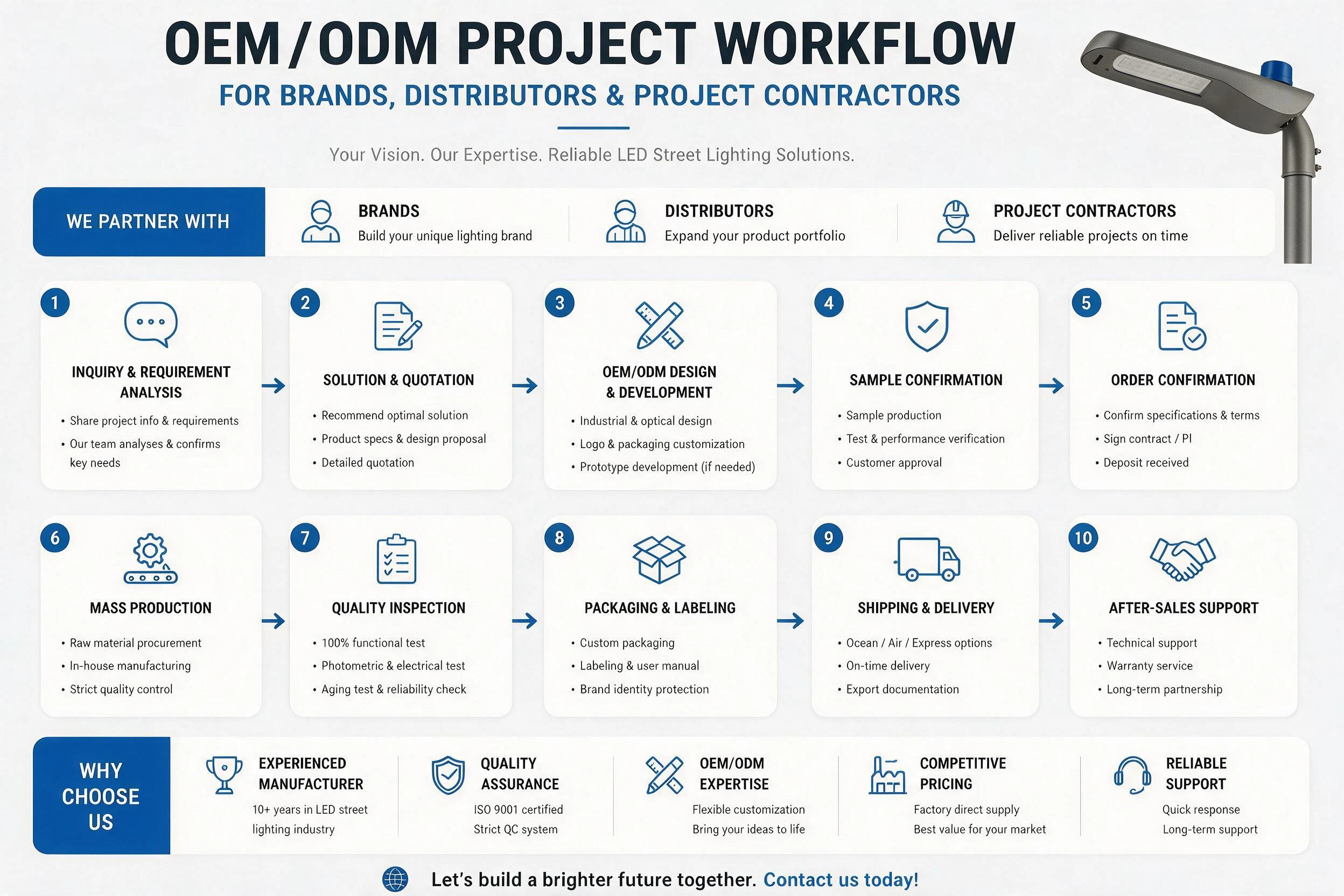
Luxific positions itself as a professional LED street light Manufacturer with in-house R&D, technical design, quality control, OEM and ODM capabilities, and project-oriented customization. Its documented service scope includes technical design, prototyping, quality control, logistics, and certification support.
Conclusion
Send Luxific your road dimensions, pole height, target illuminance, quantity, required market certifications, and delivery schedule. We can use these project inputs to recommend suitable LED street lighting configurations and prepare a technical selection or quotation aligned with your procurement requirements.