
Why Poor Street Light Retrofits Can Create New Municipal Problems
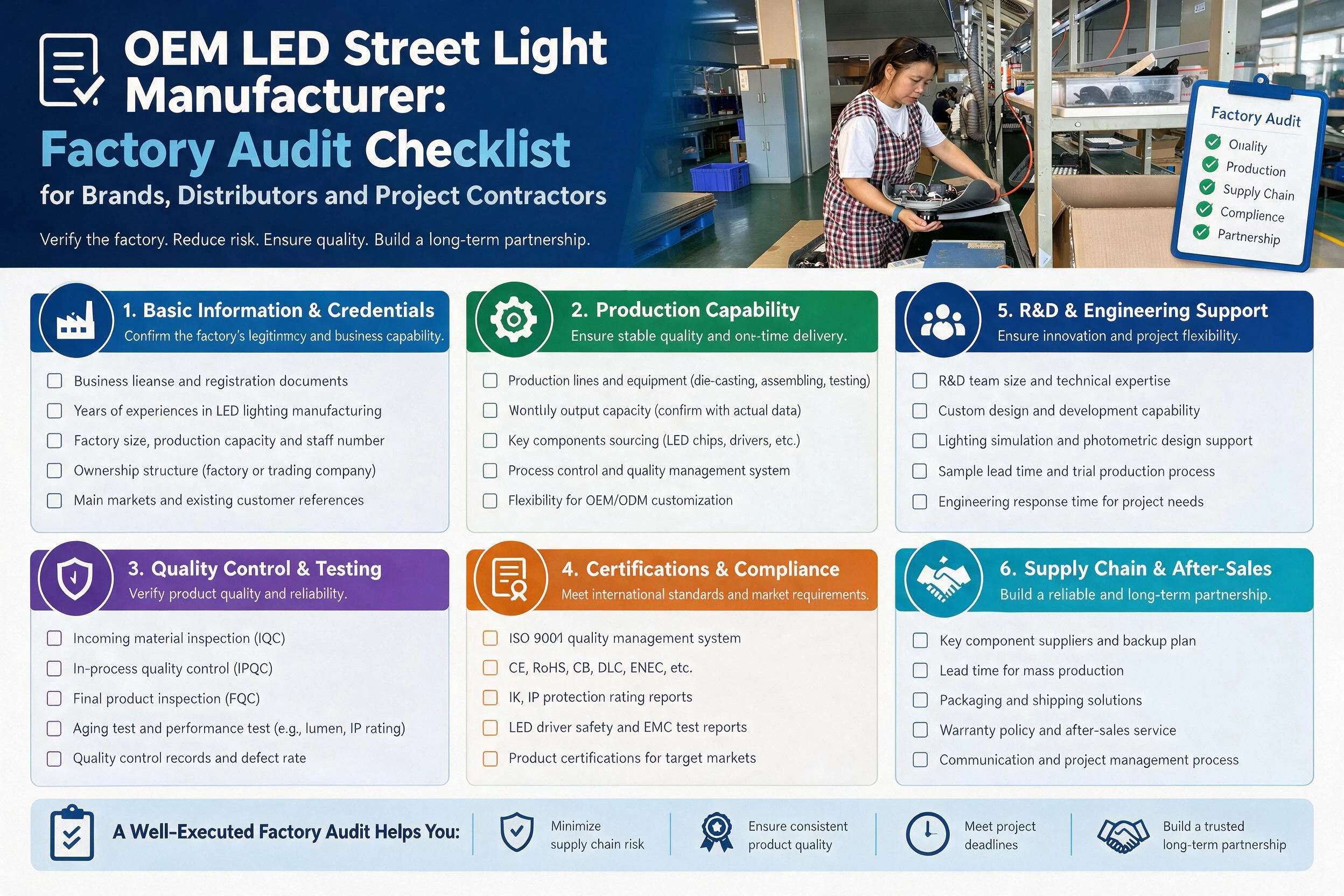
Replacing aging HPS or MH street lights seems straightforward, but a retrofit can fail when teams focus only on wattage and fixture replacement. Existing poles, electrical supply, brackets, mounting angles, and road geometry may not match the new LED system. The result can be uneven illumination, wasted energy, installation complications, or disappointing payback. A successful municipal retrofit starts with an audit of existing infrastructure, then uses photometric design to select the LED system, followed by energy, maintenance, and lifecycle cost verification.
A successful street lighting retrofit should audit existing poles and electrical supply, replace HPS or MH fixtures based on photometric performance rather than watts, verify bracket and optical compatibility, and calculate energy and maintenance savings. Luxific supports project-specific LED street lighting selection, technical design, OEM and ODM customization, and quotation.
1. Audit Existing Poles and Electrical Supply

Before removing existing fixtures, cities and utility operators should understand what can be reused. Retaining suitable poles, foundations, cabling, and electrical infrastructure can reduce installation work, but only when the existing system is compatible with the proposed LED luminaire.
Check the Existing Pole Infrastructure
- Record pole height, spacing, outreach, arm type, and installation position.
- Inspect visible corrosion, deformation, cracks, and mechanical damage.
- Confirm the mounting diameter and bracket interface.
- Check whether the existing pole arrangement is suitable for the new optical distribution.
- Identify locations requiring bracket replacement or structural modification.
Review the Electrical Supply
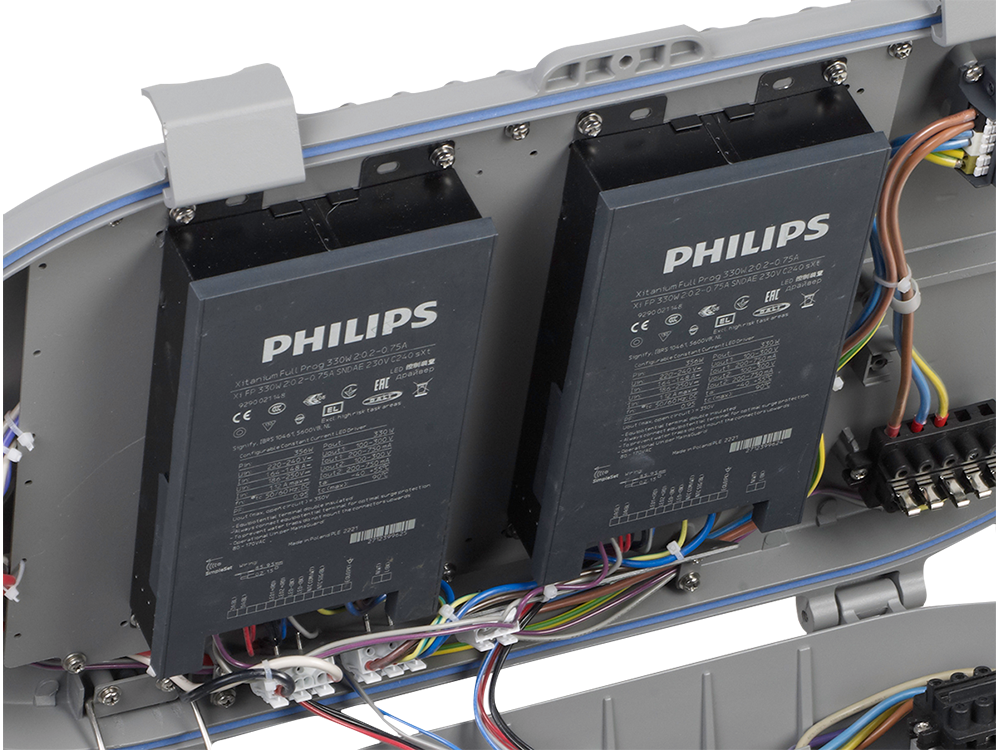
LED retrofit projects should also review the existing electrical network. The project team should identify the supply voltage, circuit arrangement, control method, protection equipment, and condition of existing connections before finalizing the replacement specification.
| Audit Item | Information to Collect | Retrofit Decision |
|---|---|---|
| Pole | Height, spacing, condition and arrangement | Reuse, repair or replace |
| Bracket | Diameter, outreach and mounting angle | Reuse or modify |
| Electrical supply | Voltage, circuit and controls | Confirm LED compatibility |
| Existing fixture | Technology, wattage and distribution | Use as baseline only |
| Road geometry | Width, lanes and surrounding areas | Input for new photometric design |
2. Replace HPS or MH by Photometrics, Not Watts
One of the most common retrofit mistakes is treating LED replacement as a simple watt-for-watt conversion. An LED luminaire can use less power while producing a different light distribution. The correct replacement should therefore be based on the required road lighting performance, not simply on the wattage of the existing HPS or MH fixture.
Use the Existing System as a Baseline
Record the existing fixture technology, wattage, mounting height, pole spacing, road dimensions, and available lighting measurements where possible. These inputs provide a useful reference for the new design, but they should not automatically determine the LED specification.
- Document the existing HPS or MH installation.
- Measure or confirm road width and pole geometry.
- Define the required illuminance, luminance, and uniformity targets.
- Select an LED luminaire and optical distribution.
- Run a photometric calculation for the proposed retrofit.
- Compare the proposed results with the project requirements.
Evaluate Light Performance, Not Just Power Reduction
The objective of a retrofit is to achieve the required lighting performance with a more suitable modern system. A lower wattage is valuable only when the road remains appropriately illuminated and uniformity requirements are maintained.
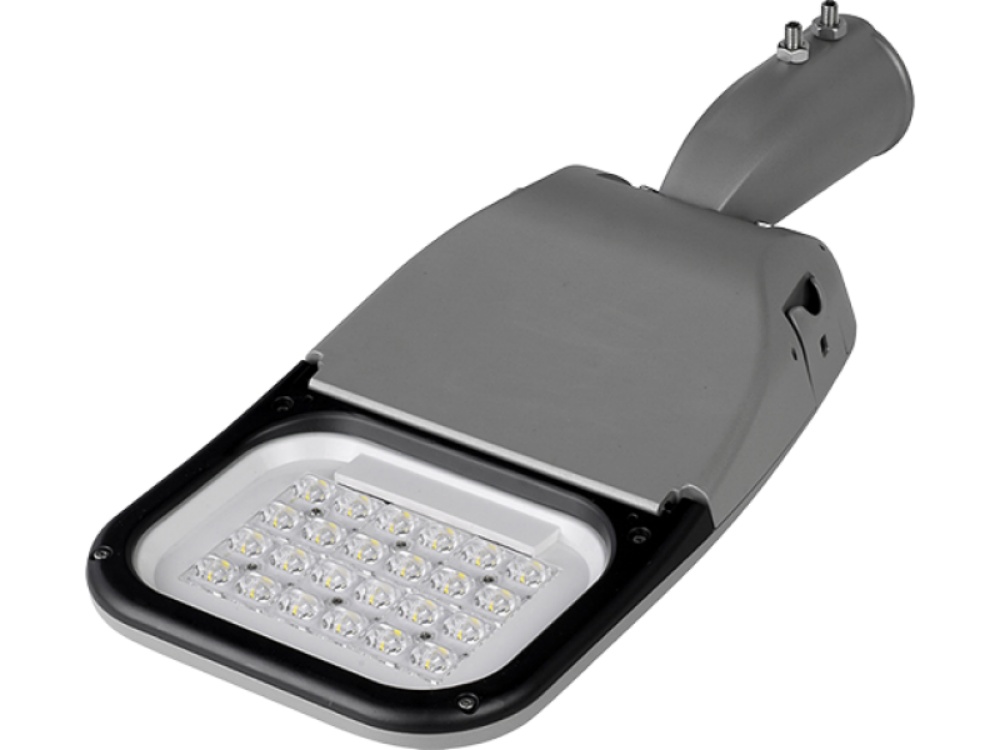
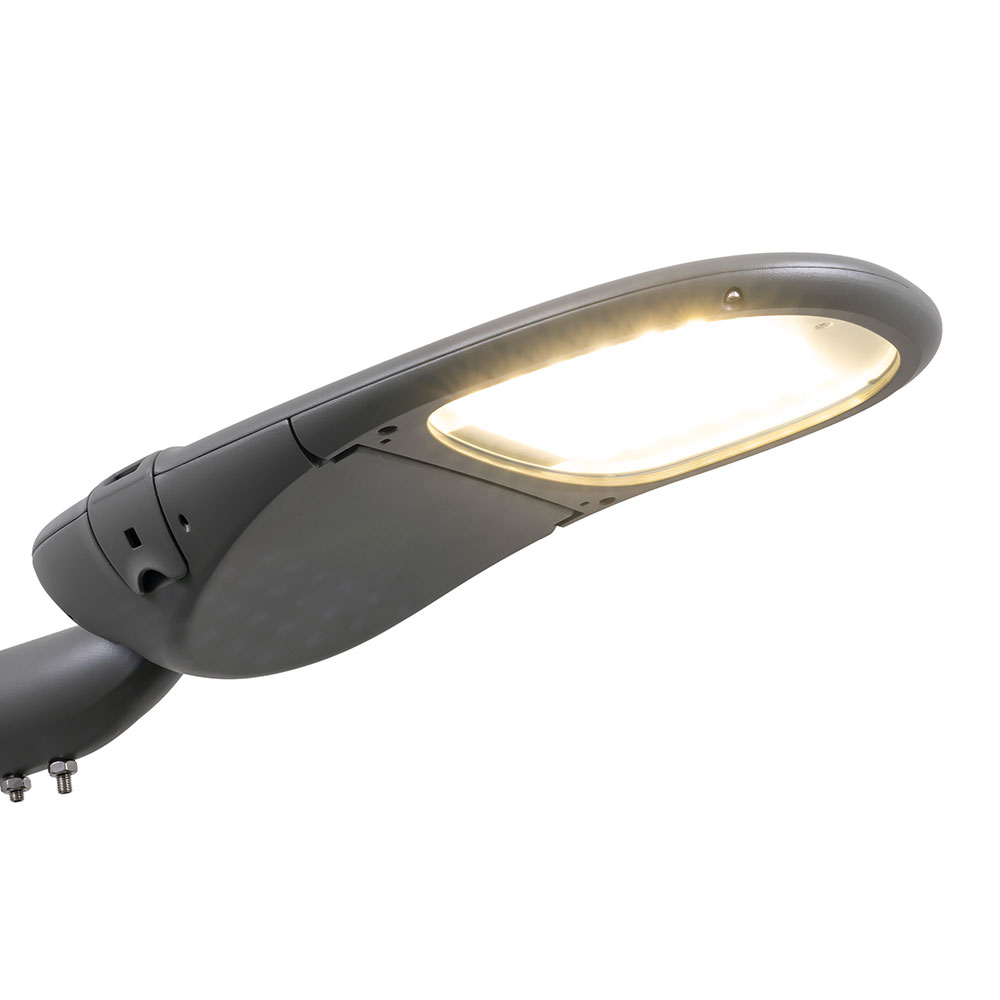
Luxific offers LED street lighting solutions designed for different road applications and provides technical design support. Its product information describes optical options intended to support uniform illumination and project-specific lighting requirements.
3. Verify Bracket, Tilt and Optical Compatibility
Even a technically capable LED luminaire may perform poorly if it is installed with the wrong bracket, tilt angle, or optical distribution. Retrofit projects should therefore treat mechanical compatibility and photometric compatibility as one decision rather than separate procurement issues.
Confirm Mechanical Compatibility
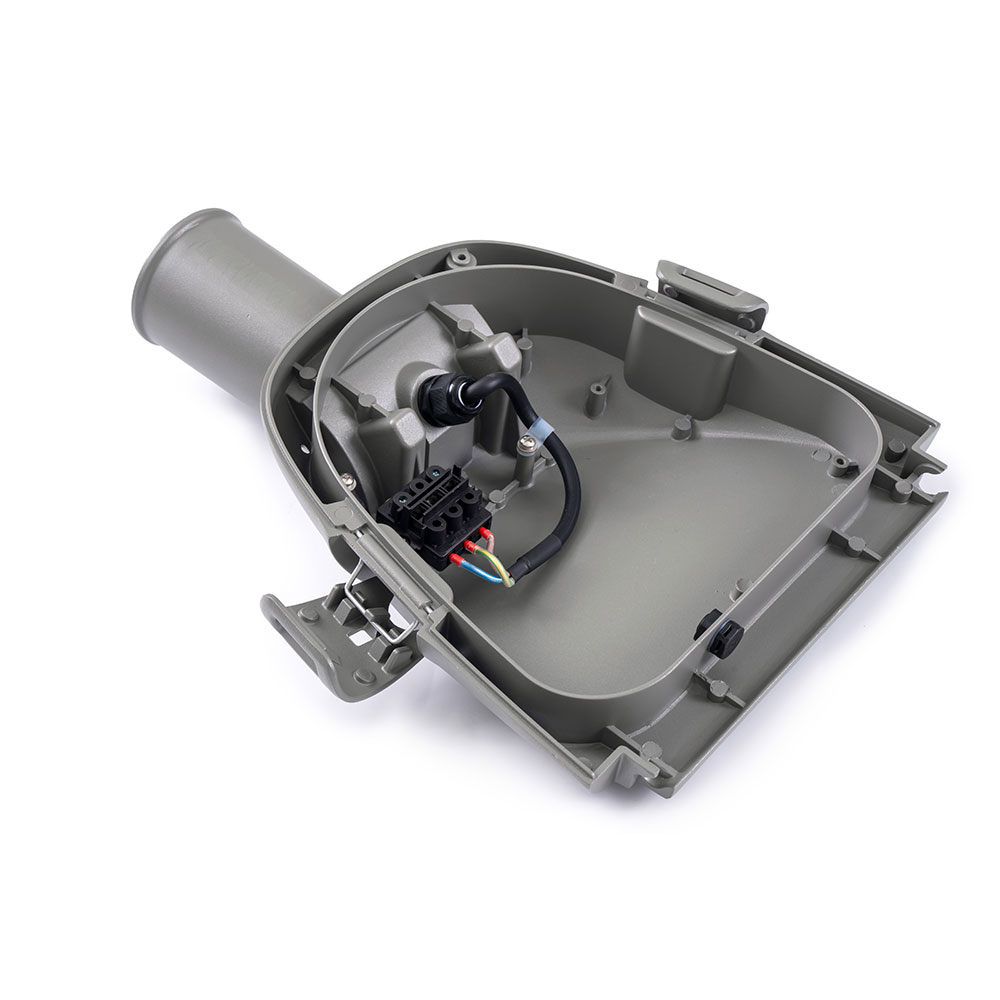
- Check the existing bracket diameter against the new luminaire mounting interface.
- Confirm the available adjustment range.
- Verify the required installation angle.
- Check whether the luminaire can be safely secured to the existing arm.
- Identify any locations where a new bracket is required.
Match Optics to the Existing Road Layout
Existing pole spacing may have been designed around the distribution characteristics of HPS or MH fixtures. LED optics can produce a substantially different distribution pattern. For this reason, the retrofit design should test the selected optical distribution against the actual pole spacing and road width.
Luxific provides multiple optical distribution options for its street lighting products and supports customization for project requirements. Its documented OEM and ODM capabilities include technical design, prototyping, product configuration, and manufacturing support.
| Compatibility Check | Key Question | Recommended Action |
|---|---|---|
| Mounting | Does the LED fixture fit the existing arm? | Confirm dimensions before ordering |
| Tilt | Can the required angle be achieved? | Verify during photometric design |
| Optics | Does the distribution match road geometry? | Validate with simulation |
| Spacing | Can existing poles remain at current locations? | Compare proposed photometrics |
4. Verify Energy Savings, Maintenance and Payback

A municipal retrofit should be evaluated as a lifecycle investment rather than only as a fixture purchase. Energy consumption, maintenance requirements, operating hours, expected replacement needs, installation costs, and local electricity prices all influence the actual financial result.
Calculate the Energy Baseline
Start with the existing system and compare it with the proposed LED system under the same operating assumptions.
- Record the existing fixture power.
- Determine annual operating hours.
- Record the number of fixtures.
- Determine the proposed LED system power.
- Estimate annual energy consumption for both systems.
- Apply the relevant electricity tariff.
- Include applicable dimming or control strategies.
Include Maintenance in the Business Case
A retrofit can deliver additional value when it reduces the frequency or complexity of maintenance. Buyers should consider access requirements, component serviceability, warranty terms, replacement logistics, and future maintenance costs when comparing suppliers.
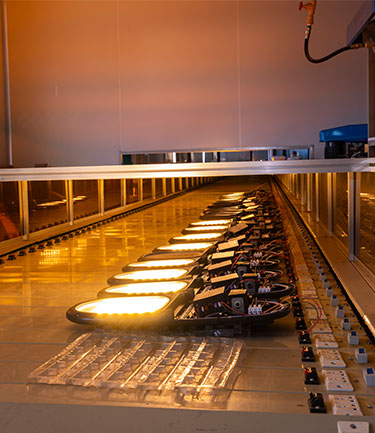
Luxific states that its LED street lighting solutions are designed with long service life, low maintenance requirements, and tool-free maintenance considerations. The company also describes warranty support, technical assistance, quality control, and logistics capabilities.
Build a Simple Payback Model
A practical comparison should include more than fixture prices. A basic project evaluation can consider the following:
- LED equipment cost
- Installation and bracket modification cost
- Electrical or control upgrades
- Annual energy savings
- Estimated maintenance savings
- Warranty coverage
- Expected project service period
This approach helps cities and utility operators focus on lowest lifetime cost rather than simply selecting the lowest initial quotation.
5. Create a Retrofit Procurement Checklist
Once the technical audit and photometric design are complete, the procurement team can issue a clearer specification to each Manufacturer, Supplier, or Wholesaler. Consistent requirements make technical and commercial comparison easier.
- Existing pole height and spacing documented
- Existing electrical supply reviewed
- Road dimensions confirmed
- Existing HPS or MH baseline recorded
- Target illuminance or luminance defined
- Uniformity requirements defined
- LED optical distribution verified
- Bracket and tilt compatibility confirmed
- Photometric calculation completed
- Energy and maintenance savings estimated
- Required certifications identified
- Warranty and delivery requirements confirmed
- Customizable, OEM or ODM requirements identified where applicable
Luxific combines LED outdoor lighting manufacturing with OEM and ODM customization, technical design, quality control, and logistics support. This can be useful when a retrofit requires changes to mounting configuration, product dimensions, materials, appearance, or project-specific specifications.
Conclusion
For a retrofit assessment, send Luxific your road dimensions, pole height, target illuminance, quantity, required market certifications, and delivery schedule. We can use these inputs to evaluate suitable LED configurations, optics, compatibility, and project quotation requirements.