Introduction

For many cities, street‑lights represent a major public infrastructure. Thousands to millions of them run every night, and managing this large asset is far from easy.
Older lighting systems work on timers. They switch on at a set time and stay at full power for hours. Lamps are only checked when faults are reported or during routine inspections.But cities do not need the same lighting level all night. A quiet midnight road and a busy rush‑hour intersection have very different lighting requirements.This is where smart street‑lights help.Combining LED fixtures, IoT modules, smart controllers and cloud management platforms turns ordinary street‑lights into connected devices for remote status monitoring and parameter adjustment.
With smart street‑light solutions, cities cut unnecessary energy use, lower maintenance workloads, and manage outdoor lighting with greater flexibility.
What Is a Smart Street Lighting System?
The intelligent street lighting system is essentially a smart network that enables LED street lamps to communicate with the central management platform.
Each street lamp will be equipped with an intelligent controller to collect information on the equipment’s operation, and then the data will be transmitted through the communication network. Maintenance personnel can view the working status of individual lamps, adjust the brightness, set the lighting schedule, and receive fault alarms without having to go to the site.
Compared to the old-style street lamps, this intelligent solution allows for a much clearer understanding of the operation of the entire lighting network.
Maintenance personnel no longer have to guess “which street lamp is broken?” everywhere.
Instead, they can directly obtain clear information: which lamp has a problem, exactly where it is, and what type of fault it is.
This has actually improved the efficiency of daily operations.
How do smart streetlights work?
A practical smart streetlight solution typically consists of four core modules.
1.Smart LED streetlights
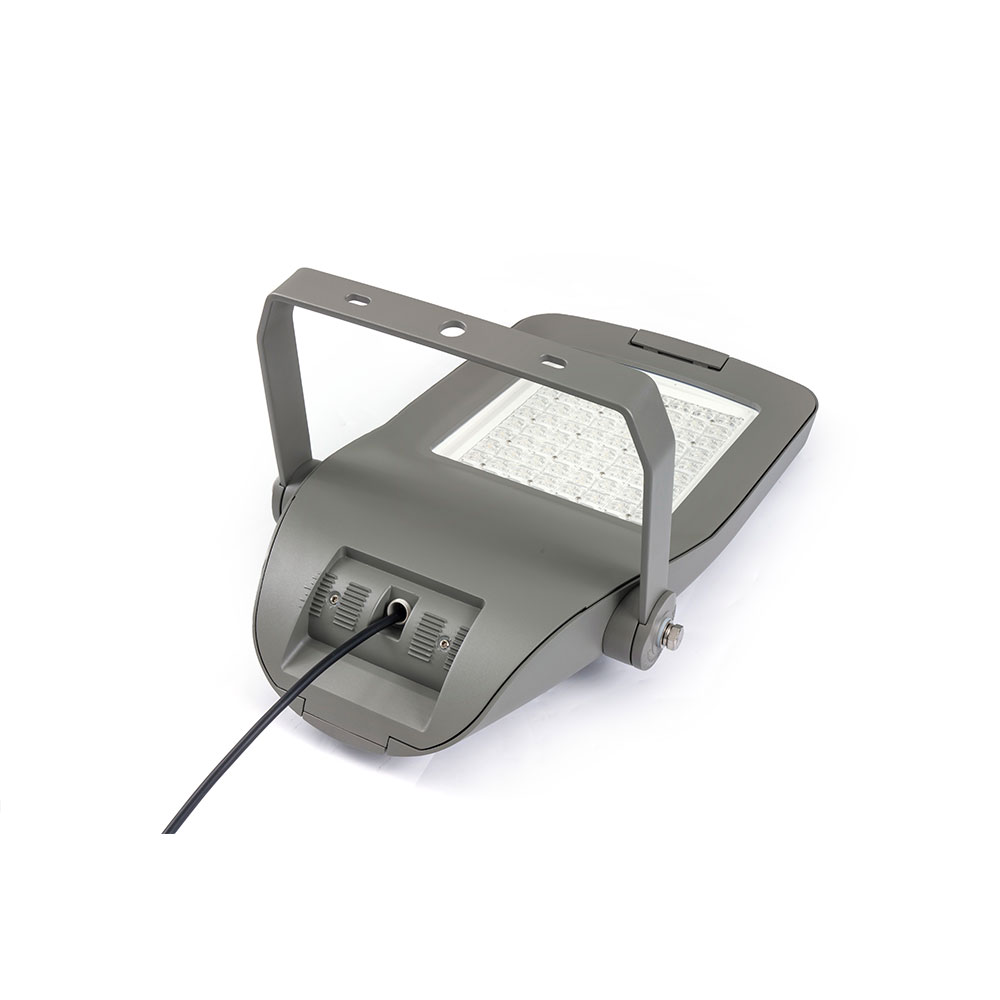
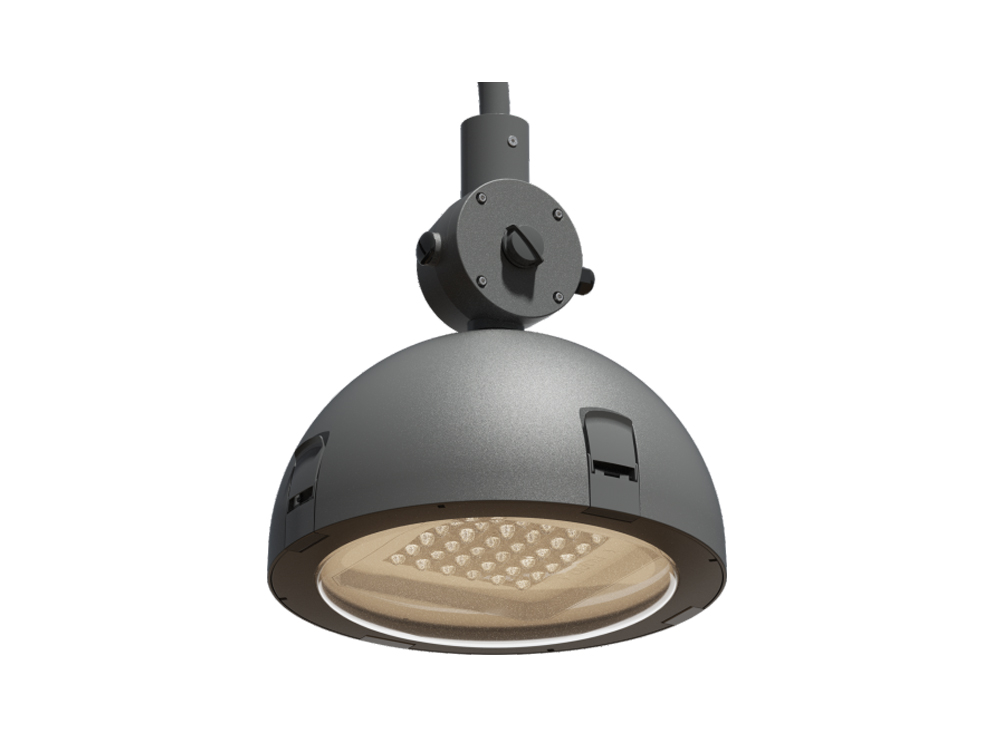
The LED lamp is still the most crucial part of the entire system.
The intelligent controller can indeed simplify lighting management for us, but in the end, the quality of the streetlight itself directly determines the actual lighting effect produced.
Reliable smart LED streetlights generally have the following characteristics:
- High luminous efficiency
- Precise light distribution
- Low glare performance
- Excellent heat dissipation treatment
- IP66 outdoor protection grade
- Long service life
When it comes to road projects, the optical design becomes particularly crucial. It’s not that the brighter the light is, the better. The core lies in avoiding unnecessary energy waste while providing just the right amount of lighting to the road surface.
- Smart Street Light Controller
The controller acts as a communication link between the LED lamps and the management platform. Its main functions are:
- Remote turning on or off of the street lights
- Adjusting the brightness of the lights
- Setting the execution plan for automatic dimming
- Monitoring the equipment operation status in real time
- Identifying various abnormal faults
For larger-scale projects, this capability can save a lot of work. Maintenance personnel no longer need to go to each lamp site to manually check the lamp status one by one, which is quite practical.
- IoT Communication Network
Different projects may require different communication technologies.
Common options include:
| Communication Technology | Main Advantage | Typical Application |
| LoRaWAN | Long-distance communication with low power consumption | Large outdoor lighting networks |
| LTE CAT.1 | Reliable cellular communication | City-wide smart lighting projects |
| PLC | Uses existing power lines | Retrofit applications |
| Ethernet | Stable wired connection | Industrial and controlled environments |
| 4G | Wide coverage and fast deployment | Projects requiring real-time communication |
There is no communication method that can be suitable for all cities.Which one to choose depends on many factors – such as the size of the project, the existing infrastructure conditions, whether the local network is usable, and the actual differences in demand. All of these will affect the final choice.
- Smart Lighting Management Platform
In essence, the management platform provides operators with a panoramic view of the lighting system, allowing them to clearly see the overall situation at a glance.
With the dashboard on the web interface, users can do a lot:
– Check the real-time status of each light fixture
– Control the lighting switch and brightness remotely
– Set the operation plan for the light fixtures
– Receive timely fault alerts
– Monitor energy consumption in real time
– Generate corresponding maintenance reports
With these real-time data as support, the city can shift from the previous passive maintenance mode of waiting for fault reports to a more proactive management approach, resulting in a significant improvement in efficiency.
Main Benefits of Smart Street Lighting

1.Reduce Energy Consumption
Energy conservation is undoubtedly one of the main reasons why cities are willing to invest in intelligent street lights.
Traditional street lights usually maintain the same brightness throughout the entire night. Even when the traffic volume is extremely low in the late night, they still stay on, which is extremely wasteful.
However, the intelligent system is much more flexible. It can adjust the lighting intensity according to the actual situation. Here are a few examples:
– Increase the brightness during peak hours to ensure travel safety
– Reduce the lighting intensity appropriately during off-peak hours to reduce unnecessary energy consumption
– Customize dedicated lighting plans for different areas, avoiding one-size-fits-all approach
This way, it can not only reduce power consumption but also meet the basic lighting needs without any compromise. It achieves a win-win situation.
2.Improve Maintenance Efficiency
For large-scale lighting networks, maintenance is a major headache.
In traditional lighting systems, problems are usually only detected when the lamps completely stop working or when complaints are received from the public.
Smart streetlights have changed this approach.
The system can automatically report various fault situations, such as:
‑ LED lamp bulbs damaged
‑ Drive unit malfunction
‑ Power supply operating abnormally
‑ Communication connection error
This enables maintenance personnel to locate the fault points more quickly and enables more efficient maintenance planning.
3.Enhance Public Safety
Reliable outdoor lighting can enable drivers, pedestrians and cyclists to see more clearly.
The advantage of intelligent lighting systems lies in their flexibility. In these situations, the lights can be adjusted to be brighter:
– Crossroads
– Pedestrian areas
– Public activity venues
– High-risk accident locations
– Areas affected by adverse weather conditions
Doing a good job in lighting management can also help cities create a safer public environment.
4.Support Sustainable City Development
Energy-saving lighting can help cities reduce carbon emissions and is also an effective means for achieving sustainable urban management.
Moreover, by optimizing operation scheduling, LED lamps do not need to perform many unnecessary tasks, which indirectly can also extend their actual service life.
For those cities planning to undertake long-term infrastructure upgrades, intelligent street lights can be a practical solution, which can help make public services more intelligent and improve overall efficiency.
5.Applications of Smart Street Lighting
The intelligent LED street lighting system can be applied in a wide range of scenarios:
Urban roads, highways, residential areas, industrial parks, airports, ports, university campuses, urban parks, and various smart city projects – all of these can adopt this system.
Whether it’s building a brand-new lighting infrastructure from scratch or upgrading an existing system, the intelligent lighting solution can be customized according to the specific circumstances of each project.
Smart Street Lighting Retrofit vs New Installation
Many cities have already installed a large number of traditional street lights. In many cases, it is completely unnecessary to replace the entire set of equipment.
For intelligent lighting upgrades, it only requires adding a few accessories to the existing infrastructure to complete the upgrade:
– Intelligent controller
– Communication module
– Management software
If it is a new project, it is different. The intelligent functions can be directly built in, and a complete intelligent lighting network can be set up in one step.
However, before finalizing the specific plan, the project party should first review and assess the following points:
The actual condition of the existing lighting equipment, power supply conditions, the local communication environment, whether to expand in the future, and the overall budget situation.
How to Choose the Right Smart LED Street Light?

Selecting an intelligent street lighting system is not merely about choosing a controller or software platform. Whether the LED lamps can be compatible with the project is also crucial.
The following are the key points to consider:
Optical Performance
Different roads have significant differences in the requirements for light distribution. Factors such as the height of the lamp pole, the width of the road surface, the installation position of the lamps, and the spacing between the lamps all ultimately affect the actual lighting effect. A well-executed optical design can improve the uniformity of road lighting and also reduce the problem of glare.
Product Reliability
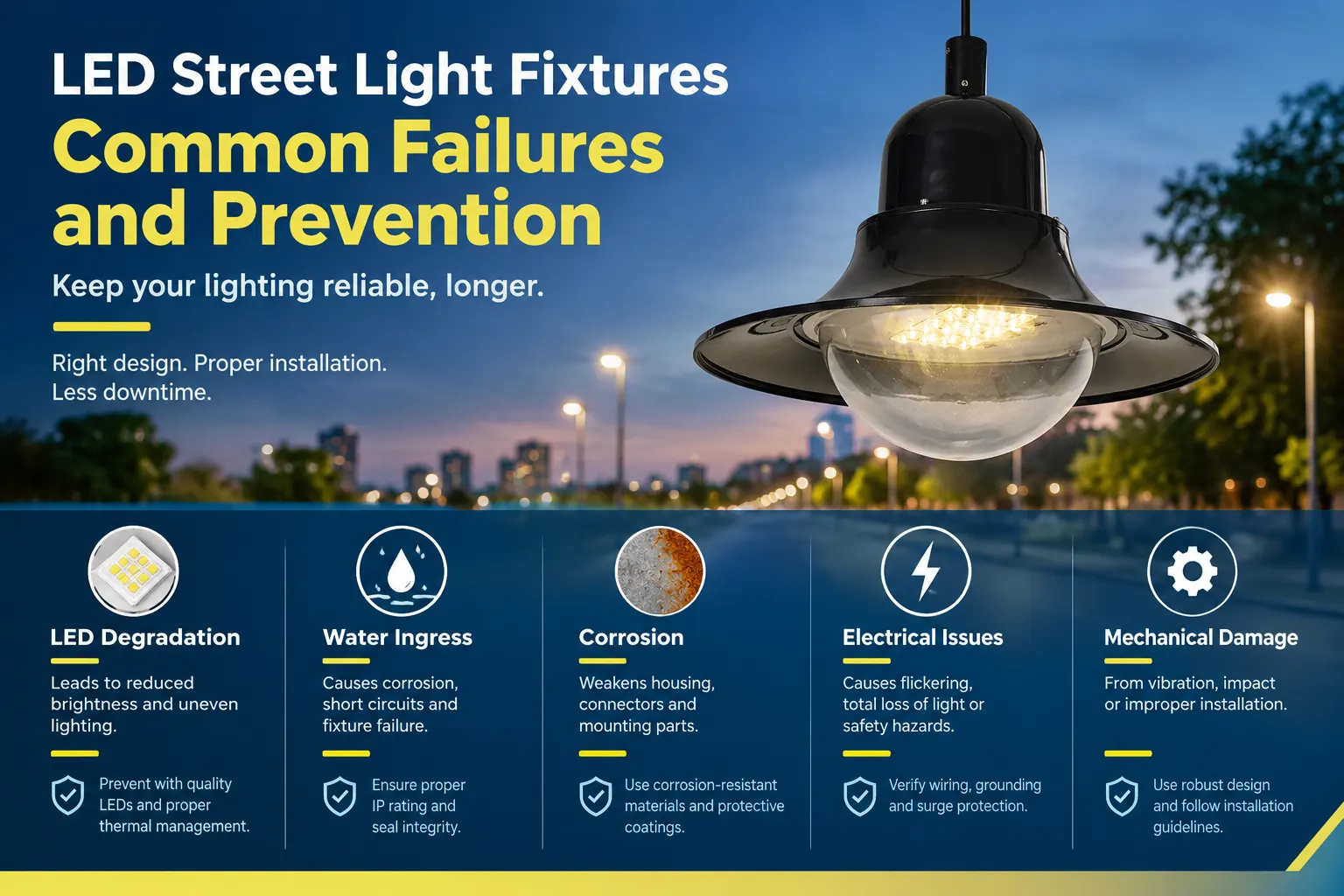
Outdoor lamps have to face various complex external environments, and the hardware requirements are not low. Several key indicators need to be noted:
– IP66 waterproof protection level
– Good heat dissipation performance
– High-quality LED light sources
– Stable performance drivers
Smart System Compatibility
It is best for the lamps to be able to smoothly connect with multiple controllers and various communication technologies. This way, when future iterations or upgrades are needed, there will be no compatibility issues.
Conclusion
Smart streetlights are not just adding a remote control function to ordinary streetlights. They actually change the entire management concept of urban public lighting.
After integrating LED streetlights with intelligent controllers and management platforms, cities will be more proficient in energy consumption control, the maintenance pressure can be reduced, and the lighting effect can be improved.
With the continuous update of urban infrastructure, smart LED streetlights are likely to become a crucial part of modern urban management.
Whether it’s the project owner, engineering contractor, or municipal department, if they want to build an efficient and sustainable lighting network, choosing a reliable lighting cooperation manufacturer is the first step they should take.